


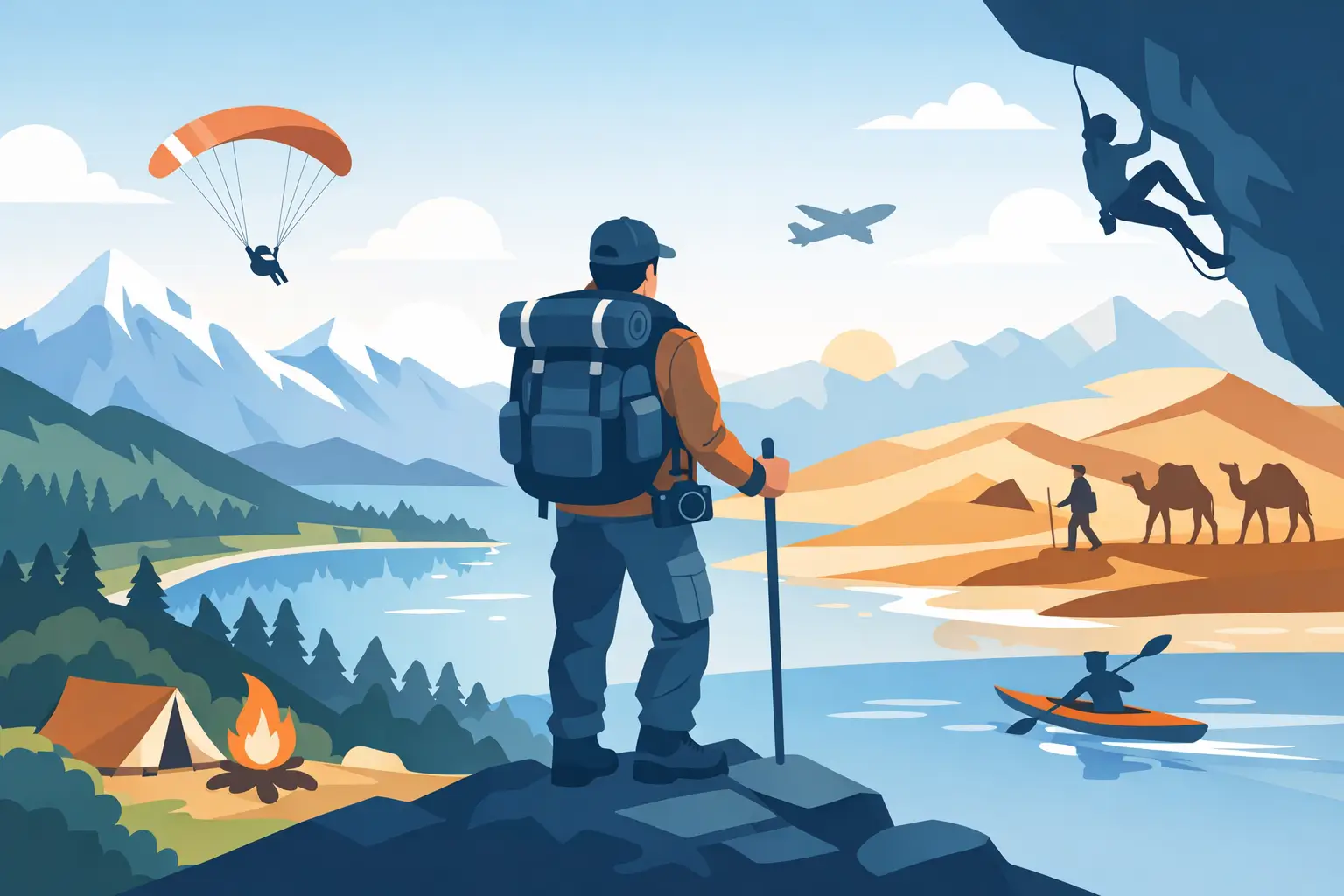
What Adventure Travel Gives Beyond a Holiday
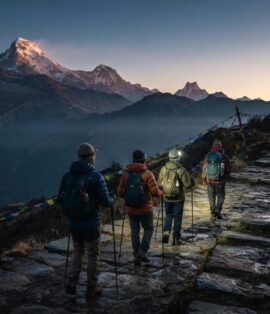
A dawn flight skimming past Himalayan ridgelines, the first sight of prayer flags above a mountain village, a shared cup of tea after a long walking day – adventure travel turns these moments into part of the journey rather than a view from the sidelines. It is not simply about going further or climbing higher. It is about being present in a place, meeting its people and earning a perspective that an ordinary holiday rarely offers.
For some travellers, that means completing a first multi-day trek in Nepal. For others, it is crossing the Cho-La Pass, riding through the high valleys of Central Asia, or taking a school group beyond the classroom and into a living cultural landscape. The right trip should feel challenging enough to be memorable, while remaining carefully paced, well supported and appropriate for those taking part.
Adventure travel is more than an active holiday
The word “adventure” can suggest extreme sports or remote expeditions, but it covers a much wider range of experiences. A gentle trek through the Annapurna foothills, a cultural journey through Bhutan, wildlife encounters in Sri Lanka and a mountain flight over the Everest region can all be adventure travel when they take you closer to a destination’s landscape, rhythm and communities.
What separates it from a conventional sightseeing break is participation. You may walk between villages, adapt to the pace of mountain life, learn why a monastery matters to local families, or travel on roads where the journey itself is part of the story. There may be early starts, changing weather and a few days without familiar comforts. In return, travellers often come home with more than photographs: they carry the confidence that comes from doing something they once considered beyond them.
The balance matters. A demanding itinerary is not automatically a better one. A route that allows time for acclimatisation, rest and meaningful encounters will usually be more rewarding than a rushed schedule designed only to collect landmarks.
Choosing the right kind of adventure travel
The best journey starts with an honest look at what you want from it. Fitness is one consideration, but it is not the only one. Time available, comfort expectations, previous experience, interest in local culture and willingness to cope with variable conditions all shape the right itinerary.
Your first Himalayan trek
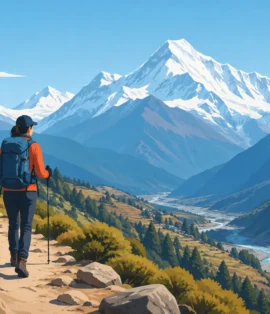
First-time trekkers are often surprised to learn that the Everest region is not reserved for elite climbers. Routes to Everest Base Camp are challenging because of their altitude, duration and successive walking days, rather than technical climbing. With sensible preparation, a gradual ascent and knowledgeable support, many determined walkers complete the trek successfully.
Those who prefer a shorter introduction may find Poon Hill or a lower-altitude Annapurna route more suitable. These journeys still offer sweeping mountain views, welcoming teahouses and village life, but with less time at high elevation. They are a strong choice for travellers who want active days without committing to a longer expedition-style schedule.
A route for experienced trekkers
For those with previous high-altitude experience, the Gokyo Lakes and Cho-La Pass route adds a more remote feel and greater physical demand to the Everest journey. The turquoise lakes, views from Gokyo Ri and the crossing of a high pass make it a genuine personal milestone. It also requires flexibility: snow, trail conditions and individual wellbeing can influence the daily plan.
Peak climbing and expeditions sit at another level again. These trips call for specific training, sound judgement and a willingness to work within the mountain’s conditions. They should never be chosen purely for a summit photograph. The process of preparing, learning skills and respecting the environment is central to the experience.
In the Himalayas, planning is part of the adventure
High-altitude travel rewards patience. The temptation to shorten an itinerary can be understandable, particularly when annual leave is limited, but gaining height too quickly is one of the clearest ways to compromise a trek. Acclimatisation days are not idle gaps. They give the body time to adjust and often provide some of the best side walks, viewpoints and village experiences of the trip.
A professionally planned itinerary considers more than walking distances. It accounts for flight timings, road transfers, permits, lodge availability, seasonal weather, meals, baggage arrangements and alternatives when conditions change. In mountain regions, plans occasionally need adjusting. Good organisation is not about pretending disruption will never happen; it is about having experienced people who can respond calmly when it does.
Local guides are especially valuable because they understand the practical details that are easy to miss from abroad. They can set a manageable pace, notice early signs that someone is struggling with altitude, explain local customs and help create a respectful connection between travellers and host communities. The guide is not simply there to lead the way. They are a vital part of the safety, enjoyment and cultural depth of the journey.
Brothers Team combines Singapore-based trip coordination with Kathmandu destination knowledge, helping travellers manage these details before departure and throughout their time in the region.
The culture between the mountain passes
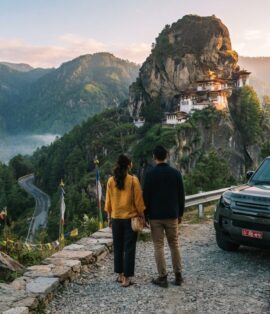
The strongest adventure itineraries leave room for the places between the big moments. In Nepal, a trek may pass mani walls, suspension bridges and small settlements where daily life follows a pace shaped by weather, farming and the trail. In Bhutan, a walk to a hillside monastery can sit naturally alongside an introduction to its traditions and architecture. Across Asia, food, faith, craftsmanship and conversation often become the memories travellers mention first.
This requires a thoughtful approach. Visitors are guests in communities, not spectators in a theme park. Dressing appropriately, asking before photographing people, supporting local businesses and following guidance at religious sites are straightforward ways to travel with consideration. A good local guide can offer context that turns a passing sight into a meaningful encounter.
There is also value in accepting that not every moment will be polished. A delayed domestic flight, a rainy trail or a basic lodge can test expectations. Yet these are often the details that make a journey feel real. Comfort still matters, particularly after a long day on foot, but adventure travel asks for a little adaptability in exchange for access to extraordinary places.
Preparing well without overcomplicating it
Training should match the journey. For a multi-day trek, regular walking is the most useful foundation. Build up time on your feet, include hills or stairs where possible, and practise carrying the daypack you expect to use. Cardiovascular fitness helps, but strong legs, steady pacing and the ability to recover day after day are equally important.
Equipment should be selected for function rather than appearance. Well-worn walking boots, layers that can be added or removed, rain protection and a reliable personal first-aid kit are far more useful than buying every item marketed for the outdoors. Conditions vary greatly between lower valleys and high passes, so packing needs should reflect the season and the specific route.
Mental preparation deserves attention too. Treks are shared experiences. There will be faster and slower walkers, unexpected changes and moments when encouragement from the group matters. Travellers who arrive open-minded, prepared to listen to their guide and willing to adjust their pace tend to enjoy the journey more fully.
Why supported travel can make a difference
Independent travel can suit confident visitors on straightforward routes, particularly when they have ample time and are comfortable solving problems as they arise. However, more complex journeys bring different considerations. High altitude, remote trail logistics, internal flights, border formalities and group coordination can make expert support a sensible choice rather than an added luxury.
For schools, colleges and organised groups, the value is even clearer. Educational travel needs clear supervision, appropriate risk planning, reliable transport and programmes that connect activity with learning. A well-managed itinerary gives group leaders more time to engage with their students, rather than spending every day handling logistics.
For individual travellers, support provides reassurance without taking away independence. You still take every step, manage your own effort and experience the destination directly. The difference is that permits, accommodation, meals, transport and on-trip coordination are handled by people who know the route and can focus on your wellbeing.
Let the journey fit the traveller
Adventure is personal. One traveller may find their defining moment on a high pass beneath a clear blue sky; another may find it in a quiet monastery courtyard or during a first conversation with a host family. Neither experience is lesser. The goal is not to choose the hardest trip available, but the journey that will stretch you in the right way.
Start with curiosity, prepare with care and allow enough time for the destination to reveal itself. When the route is thoughtfully chosen and the support is dependable, the challenge becomes something to enjoy – one measured step, one shared meal and one remarkable view at a time.


Comments are closed