


Monsoon Trekking Safety: What Changes on Trail
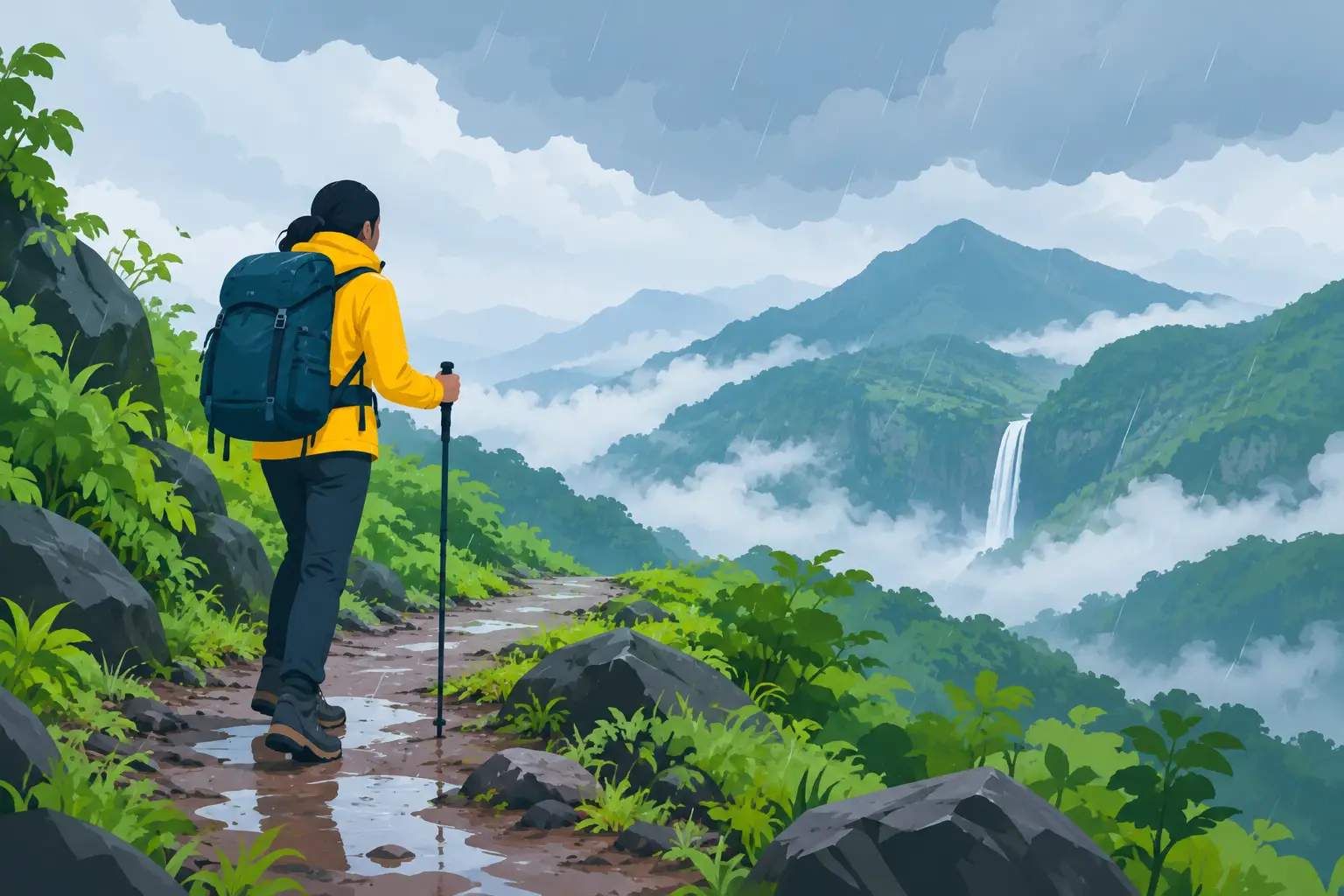
A mountain path can feel perfectly manageable at breakfast and become a slick, misty watercourse by lunch. That is the reality that makes monsoon trekking safety different from simply trekking with a rain jacket. In Nepal and across the Himalayas, the wet season brings vivid green hillsides, quieter lodges and dramatic cloud-filled valleys, but it also demands more patience, stronger judgement and a flexible plan.
For many lower-altitude routes, especially in the Annapurna foothills and around Poon Hill, monsoon travel can still be deeply rewarding. The key is to treat the weather as part of the itinerary, rather than something to push through. A well-supported trek allows time for changing conditions, chooses sensible overnight stops and keeps small problems from becoming serious ones.
Why monsoon trekking safety needs a different mindset
Monsoon rain is rarely constant all day. Mornings may be clear enough for good walking, while afternoon showers build rapidly across the valleys. This makes an early start more than a scenic preference. It gives your group the best chance of reaching the next lodge before heavier rain, reduced visibility or swollen streams affect the trail.
The most common hazards are not dramatic summits or extreme altitude. They are ordinary trail features made less predictable: polished stone steps, muddy descents, loose ground, wet wooden bridges and side streams that rise quickly after a downpour. A short section that is easy in October can require careful foot placement and a slower pace in July or August.
There is also a trade-off between keeping moving and staying comfortable. Stopping for too long in damp clothes can leave you cold, particularly at higher villages or when wind picks up. Rushing, however, is a leading cause of slips. The sensible rhythm is steady walking, short sheltered breaks and enough time to change into dry layers once you reach the lodge.
Plan the route around rain, not just distance
A monsoon itinerary should not be judged by kilometres alone. The day’s elevation change, trail surface, forest cover, river crossings and the reliability of local transport all matter. A modest downhill day can be harder on wet stone than a longer, gradual climb on a well-maintained path.
Build contingency into your holiday from the outset. Domestic flights, road transfers and mountain views can all be affected by weather. A spare day is not wasted time. It may protect an international connection, allow a delayed flight to operate safely, or simply give the group room to wait for a river level to drop.
For Himalayan trekking, route selection matters. High passes and remote sections are generally less forgiving in persistent wet weather, where cloud, snow, landslides or limited escape options may complicate decisions. Lower-altitude cultural treks with established lodges can be a better monsoon choice, although every route requires a current local assessment. Conditions vary enormously between regions and even from one valley to the next.
An experienced local guide does more than lead the way. They read recent weather patterns, speak with lodge owners and trail teams, recognise when a side valley is unsafe, and can alter the day before an inconvenience becomes an emergency. This local knowledge is particularly valuable when a map or forecast cannot show what happened during last night’s storm.
Footwear, layers and a pack that stays dry
Your boots should have dependable grip, ankle support that suits your walking style, and enough room for dry socks. Waterproof footwear helps, but no boot remains completely dry after hours of rain, deep mud or stream crossings. The more useful goal is managing moisture: keep a spare pair of socks accessible, air boots whenever conditions permit and never begin the next day in wet footwear if there is a dry alternative.
Trekking poles are especially useful on monsoon trails. They improve balance on wet steps, take pressure off the knees on descents and help test muddy ground before committing your full weight. Adjust them before the difficult section, rather than while standing on a slippery slope.
A waterproof jacket and trousers should be genuinely suitable for sustained rain, not just a brief city shower. Put your insulation in waterproof dry bags or strong liner bags inside your rucksack. Do not rely on a pack cover alone: wind-driven rain can find its way underneath, and covers can shift or catch on branches.
Carry these essentials where you can reach them without unpacking everything:
- a headtorch, even for planned daytime walks, as cloud can make forest trails unexpectedly dark;
- a small personal first-aid kit, including blister care and any prescribed medicines;
- water, purification treatment and high-energy snacks;
- a warm dry layer, gloves and a hat for rest stops or a delayed arrival;
- insect repellent, sun protection and a lightweight towel or cloth for drying hands and feet.
Leeches are a reality on many wet, forested trails. They are unpleasant rather than usually dangerous, but scratching bites can lead to infection. Long trousers, gaiters and regular checks help. Remove a leech calmly, clean the bite and cover it if it continues to bleed. Avoid turning a minor bite into a larger wound by rubbing it with dirty hands.
River crossings and landslides: when to stop
Never assume that a crossing used in the morning will be safe later in the day. Rain higher in the catchment can raise a stream quickly, even when the sky above you appears calm. Cross only where your guide judges it safe, use established bridges where available and keep distance between trekkers on narrow structures.
If water is fast, discoloured, rising or above the safe crossing point, wait or turn back. This can be disappointing when the lodge seems close, but rivers do not reward optimism. The same principle applies to landslide-prone sections. Fresh rockfall, cracked soil, heavy rain and unusual noise from above are reasons to move away from the slope promptly and follow local guidance.
Do not linger beneath unstable cliffs for photographs, and avoid wearing headphones on exposed trail sections. Being able to hear a guide’s instruction, flowing water or falling stones is part of good trail awareness.
Look after health before it becomes a rescue issue
Rain does not remove altitude risk. On treks that climb high enough for acute mountain sickness, the usual principles still apply: ascend sensibly, drink regularly, eat enough and report symptoms early. A headache with nausea, unusual fatigue, dizziness or poor coordination should never be concealed to avoid holding up the group. Descent remains the key response when symptoms worsen.
Wet conditions add other concerns. Change out of soaked clothing promptly, dry feet carefully and treat hot spots before they become painful blisters. Drink consistently even when cool weather reduces your thirst. Tea and soup are welcome in a lodge, but they should complement rather than replace proper hydration during the day.
Food hygiene deserves extra attention in humid conditions. Choose freshly cooked, hot meals, use treated water and wash or sanitise hands before eating. Travellers with stomach upset can become dehydrated and weak quickly on a demanding trail, so tell your guide early rather than attempting to manage it alone.
Make decisions as a team
The strongest monsoon groups are not necessarily the fastest. They communicate well. Tell your guide if your boots are causing pain, if you feel chilled, or if your confidence on descents is dropping. Small adjustments – a slower pace, poles, a longer rest under cover, or a revised overnight stop – can transform the day.
For school groups and larger parties, appointing a front and rear walking leader helps keep everyone accounted for without making the trek feel regimented. Keep visual contact where possible, agree on waiting points and avoid splitting the group simply because a few walkers are quicker.
At Brothers Team, our trekking arrangements are shaped around experienced local guidance, realistic pacing and the flexibility that mountain weather deserves. The aim is not to prove that rain cannot affect a journey. It is to make sound choices when it does.
Monsoon landscapes offer a side of the Himalayas that many travellers never see: terraced fields glowing green, waterfalls spilling from the hills and villages moving to the rhythm of the rain. Go prepared, listen to those who know the trail, and let good judgement give you the freedom to enjoy it.



Comments are closed