


Can Beginners Trek Langtang? A Clear Answer
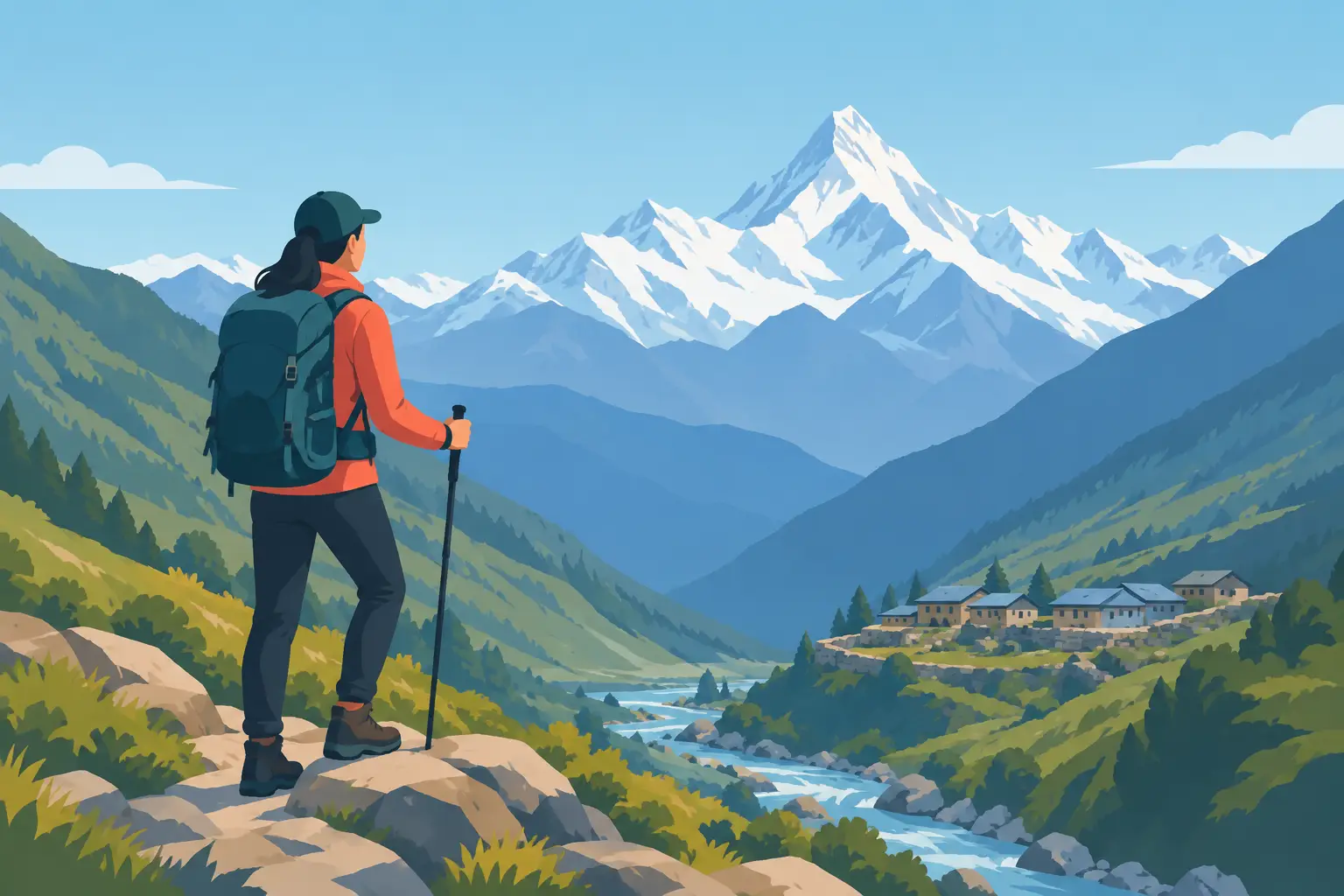
The first steep stone steps above Syabrubesi can make Langtang feel like a serious commitment. Then the trail settles into a rhythm beside the Langtang Khola, passing forest, small settlements and lodges that make the journey feel wonderfully human. So, can beginners trek Langtang? Yes – for many first-time Himalayan travellers, it is one of Nepal’s most achievable and rewarding high-altitude treks, provided they prepare properly and respect the effects of altitude.
Langtang is not a technical climb. You do not need ropes, mountaineering experience or specialist equipment. But it is still a mountain journey, often involving several consecutive days of walking, long uphill sections and sleeping at elevations that demand sensible pacing. The difference between a difficult first trek and an unforgettable first trek is usually preparation, itinerary design and the willingness to walk at the mountain’s pace.
Can beginners trek Langtang safely?
Beginners can trek Langtang safely when they choose a realistic route, allow enough time to acclimatise and travel with appropriate support. The classic Langtang Valley trek usually takes around seven to nine days, depending on the itinerary and road arrangements. It rises gradually from the lower valley towards Kyanjin Gompa, where the scenery opens into a striking high mountain basin beneath Langtang Lirung.
The route is well established and lodge-based. Each day generally ends in a teahouse village, so trekkers do not need to carry camping gear or navigate remote wilderness without shelter. Hot meals, a bed and the company of other walkers are usually available along the main trail. That comfort makes Langtang more approachable than fully supported camping treks, but it should not create false confidence: facilities become simpler as you go higher, and weather can affect plans.
For a newcomer, the key challenge is not technical terrain. It is the combination of sustained walking and altitude. Kyanjin Gompa sits at approximately 3,870 metres, high enough for some travellers to develop a headache, poor sleep, nausea or unusual fatigue. A carefully planned trek includes gradual ascent, rest or acclimatisation time where appropriate, and a guide who watches how everyone is coping.
What the Langtang trail is really like
The opening days involve forest paths, suspension bridges, stone steps and steady ascents. Some stretches can be muddy after rain, icy in colder periods or dusty in the drier season. Walking poles are useful, especially on descents, and boots with reliable grip matter more than having the most expensive kit.
As the valley rises, the landscape changes quickly. Bamboo and rhododendron give way to open ground, yak pasture, mani walls and broad mountain views. This progression is part of Langtang’s appeal: beginners get a genuine Himalayan sense of scale without needing to cross a high technical pass.
Days are commonly four to seven hours of walking, though distance alone is not the whole story. A short day at altitude can feel more tiring than a longer lowland hike. Trekkers who are used to city life, desk work or warm-weather exercise should expect the uphill sections to feel demanding at first. There is no prize for reaching the lodge early. Steady, regular movement is the right strategy.
The Kyanjin Gompa decision
Reaching Kyanjin Gompa is a major achievement, and many trekkers choose an additional day there for acclimatisation and exploration. This is also where beginners need to be honest about their energy and symptoms.
Optional walks to viewpoints such as Kyanjin Ri are steep and take you considerably higher. The views can be extraordinary, but they are not compulsory. A traveller may enjoy a gentle valley walk, visit the monastery area, rest in the lodge and still have a complete Langtang experience. Good trekking is about making sound decisions, not ticking every viewpoint off a list.
How fit do you need to be?
You do not need to be an elite runner to trek Langtang, but a basic walking fitness is essential. A good benchmark is being able to walk for four to six hours on consecutive days with a daypack, including sustained hills, without feeling completely depleted. If that currently sounds difficult, it is sensible to give yourself eight to twelve weeks of progressive preparation.
Start with regular brisk walks and gradually add hills, stairs or an inclined treadmill. Build towards longer weekend walks while wearing the boots and socks you plan to use in Nepal. Cycling, swimming and gym sessions can improve general fitness, but walking uphill with a pack is the most specific preparation.
Strength work also pays off. Simple exercises for legs, hips, core and calves can make descents less punishing and help protect knees when tired. Recovery matters as well. Arriving in Kathmandu already exhausted from intense training, work or poor sleep is not ideal preparation for the mountains.
If you have a medical condition affecting your heart, lungs or mobility, seek advice from your doctor before booking. A professional trekking operator can help you understand the route, but medical clearance is personal and should never be assumed.
Altitude is the part beginners must respect
Fitness does not make anyone immune to altitude illness. Very fit travellers can feel unwell, while less athletic walkers may acclimatise comfortably. The safest approach is a gradual itinerary, adequate hydration, a slow walking pace and clear communication with your guide.
Do not try to prove yourself by rushing uphill. Avoid alcohol as you gain elevation, eat regularly even if your appetite changes, and tell your guide early if you develop symptoms such as a persistent headache, nausea, dizziness or worsening exhaustion. A guide’s role is not simply to show the way. They assess the group, adjust the pace and make conservative decisions when needed.
The rule is straightforward: if symptoms worsen at altitude, do not continue ascending. Rest, reassess and descend if advised. Choosing to turn back or alter a plan is good mountain judgement, not failure.
When is Langtang best for first-time trekkers?
Spring and autumn generally offer the most dependable trekking conditions. In spring, the lower forest can be colourful with rhododendron blooms, while autumn often brings crisp air and excellent mountain visibility after the monsoon. These are popular periods, so lodges and transport can be busier.
Winter can suit travellers who enjoy quieter trails and are ready for cold mornings, possible snow and shorter daylight hours. The monsoon season brings lush landscapes but also rain, leeches in lower areas, cloudier views and a greater chance of road disruption. Beginners usually find spring or autumn the more comfortable choice, particularly when their holiday dates are flexible.
Why guided support can make a real difference
Independent trekking may appeal to confident, experienced hikers, but first-time Himalayan visitors often gain far more from guided support than a map alone can provide. A knowledgeable local guide can explain the valley’s Tamang and Tibetan Buddhist heritage, communicate with lodge owners, monitor altitude concerns and adapt arrangements when weather or road conditions change.
A porter can also be a wise choice rather than a luxury. Carrying only a daypack with water, waterproofs, layers, sun protection and personal essentials allows beginners to walk more steadily and enjoy the surroundings. The aim is not to remove all challenge. It is to direct your energy towards the experience rather than an overloaded rucksack.
At Brothers Team, our approach to Langtang is built around realistic pacing, experienced local guidance and careful coordination from Kathmandu to the trail and back. For first-time trekkers, those details create the reassurance to be present in the moment – whether that is hearing the river below the forest trail or sharing tea beneath snow-covered peaks.
A few practical expectations before you go
Pack for changing conditions rather than for one perfect forecast. Mornings and evenings at higher elevations can be cold, yet walking uphill in the sun may feel warm. A layered clothing system, waterproof outer shell, warm insulated jacket, hat, gloves, sunglasses and refillable water bottles are more useful than excess clothing.
Bring broken-in boots, not brand-new ones. Blisters are a small problem that can become a miserable one after several walking days. Keep your daypack light, use sunscreen even on cool days, and carry any personal medication in your hand luggage when flying into Nepal.
It also helps to approach lodge life with flexibility. Rooms are usually simple, heating may be limited to shared dining areas, and charging or hot showers may carry an additional cost. These are not shortcomings of the trek; they are part of travelling through a high mountain valley where supplies must be brought in carefully.
Langtang rewards beginners who arrive curious, prepared and unhurried. You do not need to become a mountaineer before you go. You simply need enough fitness to enjoy the walking, enough humility to respect altitude, and the right people around you when the mountains ask for a slower step.


Comments are closed