


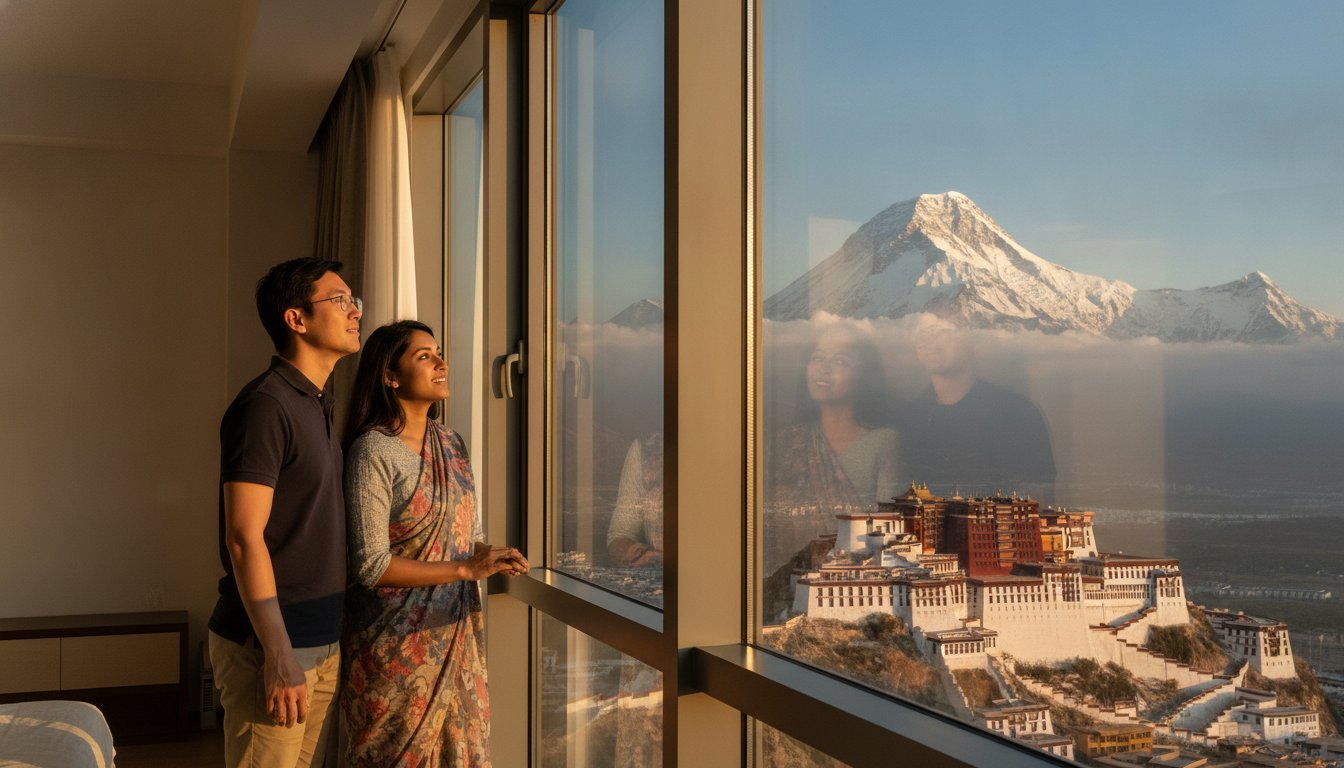
Tibet Tour Packages from Singapore: Your 2026 Guide to the Roof of the World
2026 is officially the Golden Year for Singaporean adventurers to finally stand at the base of the world’s highest peaks. With the current 30-day visa-free entry policy for Singaporean citizens, the journey to the Roof of the World has never been more accessible. You’ve likely spent years staring at photos of the Potala Palace while worrying about the confusing overlap between a Chinese visa and the mandatory Tibet Travel Permit. It’s also natural to feel a bit of hesitation about the thin mountain air when you’re used to the tropical sea level of home.
This guide clears the path for your Himalayan dream. You’ll learn how to navigate the latest entry rules and choose the most efficient flight routes through Chengdu or our specialized Kathmandu gateway. We’ll explore the best Tibet tour packages from Singapore that prioritize your safety with expert English-speaking guides and gradual acclimatization schedules. From the shimmering waters of Namtso Lake to an auspicious Year of the Horse pilgrimage at Mount Kailash, we’re showing you how to experience Tibet with total peace of mind and professional local support.
Key Takeaways
- Learn how the 2026 30-day visa-free policy for Singaporeans simplifies your entry while still requiring the mandatory Tibet Travel Permit.
- Compare the efficiency of flying through Chinese gateway cities like Chengdu against the rugged adventure of the Singapore to Kathmandu overland route.
- Discover the best Tibet tour packages from Singapore, featuring itineraries that range from 8-day cultural highlights to epic journeys to Everest Base Camp.
- Master altitude acclimatization with expert tips designed for sea-level travelers and identify the peak weather windows for clear Himalayan views.
- Understand the logistical advantage of booking with a Singapore-registered agency that maintains its own operational office in Kathmandu for 24/7 local support.
Why 2026 is the Best Year for Tibet Tour Packages from Singapore
2026 marks a transformative moment for Singaporean travelers. The bureaucratic hurdles that once loomed as large as the Himalayas themselves have largely vanished, replaced by a welcoming path to the plateau. For the first time, you can step onto the Roof of the World without the traditional visa stress that used to define this journey. This shift isn’t just about paperwork; it’s about a new era of exploration where Tibet feels like an accessible neighbor rather than a distant, closed-off dream. When you search for Tibet tour packages from Singapore, you’ll find that 2026 stands out as the ultimate window for a seamless, high-touch adventure.
The interest in Tourism in Tibet has evolved significantly over the last decade. We’re seeing a powerful move away from rigid, mass-market bus tours toward more personalized, high-touch adventures. Travelers from Singapore now seek deep cultural immersion in the winding streets of Lhasa and raw natural beauty at the foot of Everest. They want to feel like invited guests in a sacred land rather than just faces in a crowd. This psychological shift toward slow, intentional travel makes 2026 the perfect time to visit, as the infrastructure now supports these deeply personal experiences better than ever before.
Understanding the 2026 Visa-Free Entry
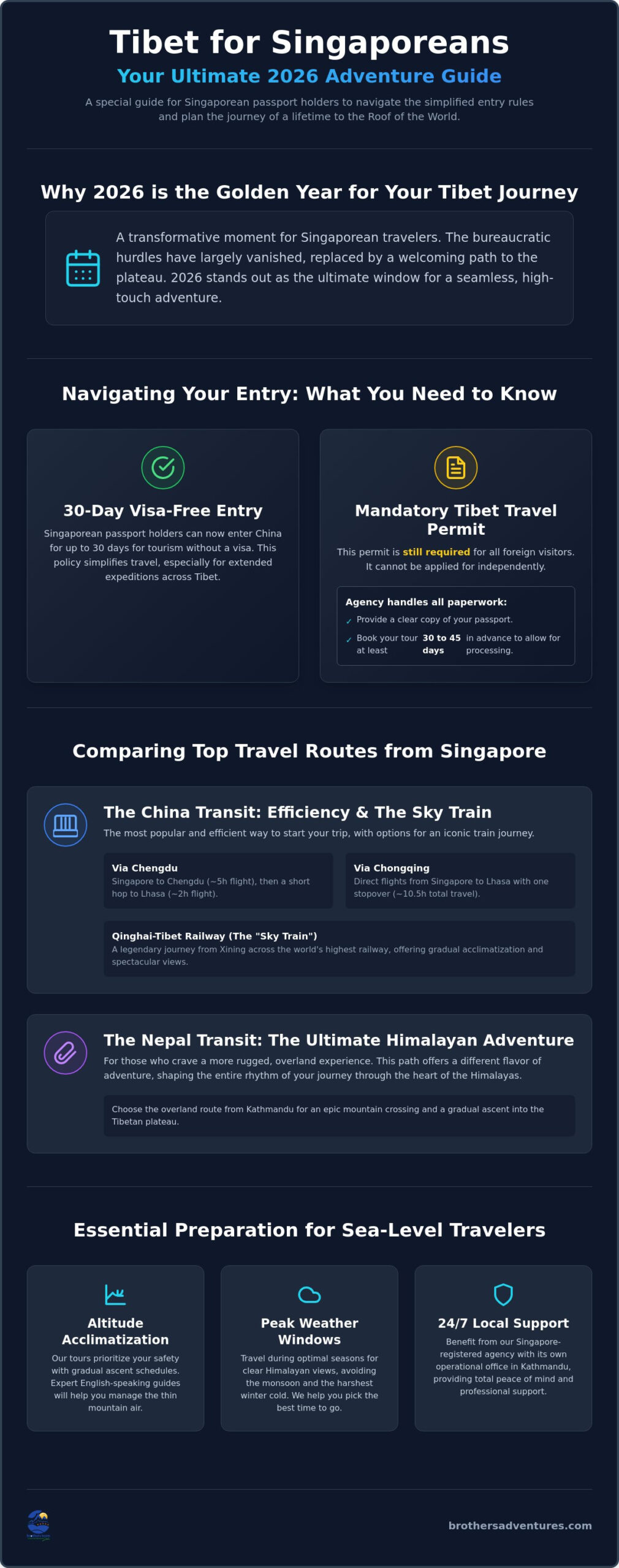
Singaporean passport holders now enjoy a 30-day visa-free entry into China for tourism purposes. This policy is a total game-changer for those planning extended expeditions across the plateau. Whether you enter through a direct flight to Chengdu or choose our more adventurous route from Kathmandu, the entry process is now significantly smoother. You can spend weeks exploring the ancient monasteries of the Yarlung Valley and still have plenty of time to cross the border for an 8Days Nepal Adventure Tour. It’s critical to remember that the Tibet Travel Permit remains a mandatory document for all foreign visitors, even with your visa-free status.
Permit Logistics: What You Need to Provide
Don’t let the permit requirement dampen your spirit. While you cannot apply for the Tibet Travel Permit independently due to strict local regulations, we’ve refined the process to make it effortless. You simply need to provide clear copies of your passport and basic travel details. Because official processing takes time, we recommend booking your journey at least 30 to 45 days in advance. Brothers Adventures handles every piece of paperwork from our Singapore and Kathmandu offices. We act as your bridge to the destination, ensuring your documents are ready before you even start packing. We’ve been specializing in these high-altitude logistics since 1992, so your dream trip is in seasoned, reliable hands.
Singapore to Tibet: Comparing the Top Travel Routes
Deciding how to reach the plateau is half the thrill of the planning process. You have two primary choices when evaluating Tibet tour packages from Singapore: the efficient transit through mainland China or the epic mountain crossing from Nepal. Each path offers a completely different flavor of adventure. Your choice will shape the entire rhythm of your journey, from the first glimpse of the mountains to the way your body adjusts to the thinning air.
Before you commit to a flight, it’s wise to consult official resources like the Canadian Government Travel Advisory for China to stay updated on the specific entry requirements for the Tibet Autonomous Region. These regulations are strict, but they’re easily managed when you have a seasoned partner handling the logistics. Whether you prefer the speed of a jet or the steady rhythm of a train, the 2026 travel landscape has never been more accommodating for Singaporean explorers.
The China Transit: Efficiency and the Sky Train
Flying from Changi to mainland China remains the most popular way to start your trip. Direct flights from Singapore to Lhasa now operate with a stopover in Chongqing, bringing the total travel time to approximately 10 hours and 25 minutes. Many travelers still prefer flying into Chengdu, a vibrant gateway that offers a 5 hour flight from Singapore before a short 2 hour hop to Lhasa. If you have a few extra days, we highly recommend taking the Qinghai-Tibet Railway from Xining. This “Sky Train” journey is legendary. You’ll glide across the Permafrost of the Kekexili Nature Reserve on the world’s highest railway, watching the landscape transform into a high-altitude wilderness while your body gradually adjusts to the elevation.
The Nepal Transit: The Ultimate Himalayan Adventure
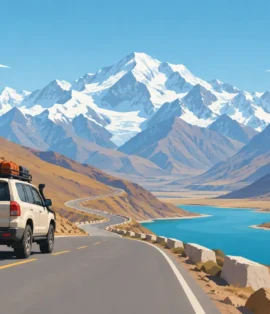
For those who crave a more rugged experience, the route through Kathmandu is unbeatable. This is where our dual-office presence really shines. You can start with a few days in the colorful streets of Nepal before taking what many call the most beautiful flight in the world: the journey from Kathmandu to Lhasa. On a clear day, you’ll see the jagged peaks of the Himalayas, including Mount Everest, right from your window. If you’re feeling truly adventurous, you can opt for an overland crossing via the Gyirong border. This route feels like a true expedition as you climb from the lush valleys of Nepal to the stark beauty of the Tibetan plateau. For many of our guests, the ultimate goal is the shadow of the world’s highest peak. If that’s you, consider an Everest Base Camp trek from Singapore as a perfect add-on to your cultural itinerary. At Brothers Adventures, we love helping you customize these connections to ensure your journey is as unique as the destination itself.
Top Tibet Tour Itineraries for Singaporean Travelers
Finding the right rhythm for your journey is essential. Whether you’re a history buff or a mountain enthusiast, the best Tibet tour packages from Singapore offer a diverse range of paths through this sacred landscape. You aren’t just choosing a destination; you’re choosing an experience that resonates with your personal sense of wonder. From the golden roofs of Lhasa to the stark, windswept plains of the far west, every mile tells a story of resilience and beauty. At Brothers Adventures, we’ve spent decades refining these routes to ensure they offer the perfect balance of discovery and comfort.
The 8-day Cultural Classic is a favorite for first-time visitors. It takes you through the heart of the plateau, stopping in Lhasa, Gyantse, and Shigatse. You’ll see the turquoise waters of Yamdrok Lake and the massive Kumbum Stupa. For those seeking something deeper, 2026 is the Year of the Horse in the Tibetan calendar. This makes it a particularly auspicious time for the Mount Kailash pilgrimage, as a kora during this year is believed to multiply spiritual merit. If you prefer lush forests and alpine scenery, Nyingchi, often called the “Switzerland of Tibet,” offers a softer, greener side of the plateau that’s especially stunning during the spring peach blossom season.
Lhasa and Beyond: Cultural Immersion
Lhasa is the beating heart of Tibetan life. You’ll spend your days walking the Barkhor Street circuit alongside local pilgrims and exploring the labyrinthine halls of the Potala Palace. One of the most electrifying experiences is witnessing the monk debates at Sera Monastery. It’s a lively, rhythmic display of philosophy that brings ancient teachings to life. Having a private, English-speaking guide is essential here. They don’t just translate words; they provide the cultural context that turns a beautiful building into a living history lesson that connects you to the local community.
Everest Base Camp (North Side) vs. Nepal Side
The Tibet side of Everest offers a unique advantage for those who want to see the world’s highest peak without a multi-day trek. You can drive directly to the viewpoint, where the North Face of Everest rises before you in a single, unobstructed wall of rock and ice. It’s a much more immediate and dramatic view than the South Face trek in Nepal. If you’re considering the classic Nepal approach and want a precise breakdown of what to budget for the full trekking experience, our detailed guide on the Everest Base Camp trek cost from Singapore covers every expense from permit fees to flight fares from Changi. Managing the logistics of such a high-altitude site requires precision. It’s why choosing a specialist tour operator is vital for your safety and comfort. We ensure your itinerary balances these high-altitude thrills with plenty of time for your body to adjust, making the journey as smooth as it is spectacular. For those who want to push their Himalayan ambitions even further, an Island Peak climbing package pairs beautifully with a Tibet itinerary, offering a technical summit experience in the Khumbu region that builds on the acclimatization you’ve already achieved on the plateau.
Essential Preparation: Altitude, Weather, and Packing
Moving from the tropical humidity of Singapore to the arid, high-altitude plains of the plateau is a significant jump for your body. You aren’t just changing time zones; you’re stepping into an environment where the air is roughly 30% thinner than what you’re used to at sea level. Successful Tibet tour packages from Singapore prioritize your physical readiness just as much as the sightseeing. While the Potala Palace looks stunning in photos, the physical effort required to climb its steps at 3,650 meters is often underestimated by travelers arriving directly from the city. Preparing your body and your suitcase is the first step toward a journey that feels like a discovery rather than a struggle.
Timing is everything when planning your Himalayan escape. The best window to visit is between April and October, when the weather is most stable. If your goal is to see the peak of Everest without a cloud in the sky, September and October are the gold standard months for clarity. During this time, you’ll likely experience four seasons in a single afternoon as you move from the sunny streets of Lhasa to the windswept mountain passes. Your “Singaporean stomach” might also need a moment to adjust to the local diet. Tibetan cuisine is hearty and heavy on barley and yak meat, so we recommend sticking to cooked meals and staying well-hydrated to help your digestion keep pace with the altitude.
Conquering Altitude Sickness (AMS)
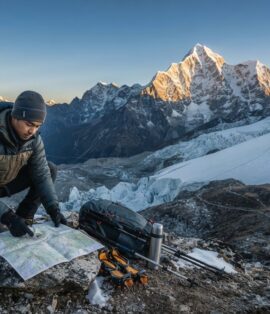
Hydration is your lifeline on the plateau. Aim to drink three to four liters of water every day to help your blood carry oxygen more efficiently. Before you leave Changi, visit your family GP to discuss a prescription for Diamox or other altitude preventatives. This proactive step can make a massive difference in how you feel during the first 48 hours. Our expert guides are trained to monitor your health closely, using pulse oximeters to check your oxygen levels every morning and evening. If you’re feeling unsure about how your body will handle the height, plan your preparation with us to ensure we choose a route that allows for a gradual, safe ascent.
Packing Checklist for Tibet
Layering is the only way to manage the dramatic temperature swings of the Himalayas. That heavy winter jacket you bought for a holiday in Japan might not be enough on its own. You need a moisture-wicking base layer, a warm fleece middle layer, and a windproof outer shell to block the biting mountain gusts. Sun protection is equally critical because the UV rays are incredibly intense at high elevations. Invest in high-quality polarized sunglasses with category 3 or 4 protection to shield your eyes from the intense glare and prevent snow blindness. Don’t forget a high-SPF lip balm and moisturizer, as the dry air will sap the moisture from your skin faster than you’d expect.
Booking Your Tibet Journey with Brothers Adventures
Choosing the right partner transforms a complex logistical puzzle into a life-changing expedition. We understand that Singaporean travelers value both efficiency and authenticity. That’s why our Tibet tour packages from Singapore are designed with a high-touch approach that large, mass-market agencies simply can’t replicate. While many providers focus on fixed departure dates and rigid group sizes, we prioritize the flexibility you need to make the plateau your own. Whether you’re seeking a quiet, spiritual retreat or a rugged mountain challenge, we act as your knowledgeable companion every step of the way.
Our unique operational structure is our greatest strength. With our headquarters in Singapore and our dedicated operational office in Kathmandu, we provide a seamless bridge to the Himalayas. This dual presence means you get the legal protection and convenience of a Singapore-registered agency combined with the deep, local expertise of a team that lives and breathes high-altitude travel. We don’t just outsource your trip to third-party operators; we manage the permits, the guides, and the safety protocols ourselves. This hands-on management ensures that our commitment to ethical tourism and high-altitude safety is never compromised.
A Heritage of Himalayan Excellence
Brothers Adventures has been a family-run passion project since 1992. Over the last three decades, we’ve learned that the best journeys are defined by the people you meet. Our guides are much more than just translators; they’re storytellers who grew up in these mountains and understand the nuances of Tibetan Buddhism and local traditions. They transform a visit to a monastery into a deep dive into living history. If you’re planning a multi-generational trip, see our Family Trek Nepal guide for tips on how we manage high-altitude adventures for children and seniors alike.
Your Seamless Journey Starts Here
Your 2026 adventure begins the moment you reach out to us. We handle the entire permit application process, ensuring your documents are verified and ready long before you board your flight at Changi. From the first inquiry to the final flight home, you’ll have direct contact with our Singapore team for total peace of mind. We take the stress out of the logistics so you can focus on the wonder of the Potala Palace and the majesty of Everest. Don’t wait for the 2026 crowds to gather. Plan your 2026 Tibet adventure with Brothers Adventures today!
Your Himalayan Adventure Awaits
The path to the plateau has never been clearer for Singaporean travelers. With the 30-day visa-free policy and expanded flight connections through gateway cities like Chengdu or Kathmandu, your Himalayan dream is finally within reach. You’ve learned how to manage the transition from sea level to the high-altitude wonders of Lhasa and Everest, and you know that the right preparation makes all the difference. Choosing the right Tibet tour packages from Singapore means more than just booking a flight; it’s about securing a journey where every permit is handled and every safety protocol is in place.
As a family-owned, Singapore-registered travel agency with expertise dating back to 1992, Brothers Adventures provides the high-touch support you deserve. We take care of the entire Tibet Travel Permit process so you can focus on the breathtaking views and deep cultural heritage of the plateau. Our dual-office presence ensures you have a knowledgeable companion from the moment you leave Changi until you return home with stories that will last a lifetime.
Explore our 2026 Tibet Tour Packages and start your journey today!
The mountains are calling, and we’re ready to lead the way.
Frequently Asked Questions
Do Singaporeans need a visa for Tibet in 2026?
No, Singaporean citizens don’t need a visa for tourism stays in China up to 30 days in 2026. This makes the entry process significantly smoother than in previous years. However, you still must obtain a mandatory Tibet Travel Permit, which can only be arranged through a registered travel agency like ours.
What is the best month for a Tibet tour from Singapore?
The ideal window for visiting the plateau is between April and October. For those who want the clearest views of Mount Everest, September and October are the gold standard months. During this time, the monsoon rains have cleared, leaving crisp blue skies and perfect conditions for photography and exploration.
How much does a Tibet tour package from Singapore typically cost?
The price of Tibet tour packages from Singapore varies based on your chosen route, the length of your stay, and whether you prefer a private or group experience. Costs are influenced by your entry point, such as flying via Chengdu or taking the overland route from Kathmandu. We recommend booking at least 30 to 45 days in advance to ensure all permit and logistical costs are locked in.
Can I travel to Tibet independently without a tour group?
No, independent travel for foreigners in Tibet is strictly prohibited by local regulations. You must be part of an organized tour with a licensed guide and pre-arranged transport. We handle all these requirements, providing you with expert local guides who ensure your journey is both legal and culturally enriching.
How do I prevent altitude sickness if I live in Singapore?
Start by hydrating heavily several days before you depart Changi and continue drinking three to four liters of water daily once you arrive. It’s vital to spend your first few days in Lhasa resting and allowing your body to adjust to the 3,650m elevation. We also suggest consulting your family doctor in Singapore about altitude preventatives like Diamox before your flight.
Is there a direct flight from Singapore to Lhasa?
Yes, a flight is available from Singapore to Lhasa with a convenient stopover in Chongqing. The total journey time is approximately 10 hours and 25 minutes. While this is the most direct path, many of our guests still choose to fly through Chengdu or Kathmandu to enjoy a multi-city adventure.
What is the difference between the Nepal route and the China route to Tibet?
The China route through hubs like Chengdu is often the most efficient for those with limited time. In contrast, the Nepal route via Kathmandu is a true Himalayan expedition that offers incredible mountain views and the chance to cross the border overland. Both paths are excellent, but the Nepal route is a favorite for those seeking a more rugged, adventurous start.
Is Tibet travel safe for senior travelers from Singapore?
Yes, Tibet is safe for seniors as long as the itinerary is paced slowly to allow for proper acclimatization. We specialize in custom Tibet tour packages from Singapore that prioritize comfort, including minimal walking on the first few days and daily health monitoring. Our guides carry oxygen supplies and are trained to ensure every guest feels secure throughout the journey.


Comments are closed