


Family Trek Nepal: The Complete Guide to Himalayan Adventures with Kids in 2026
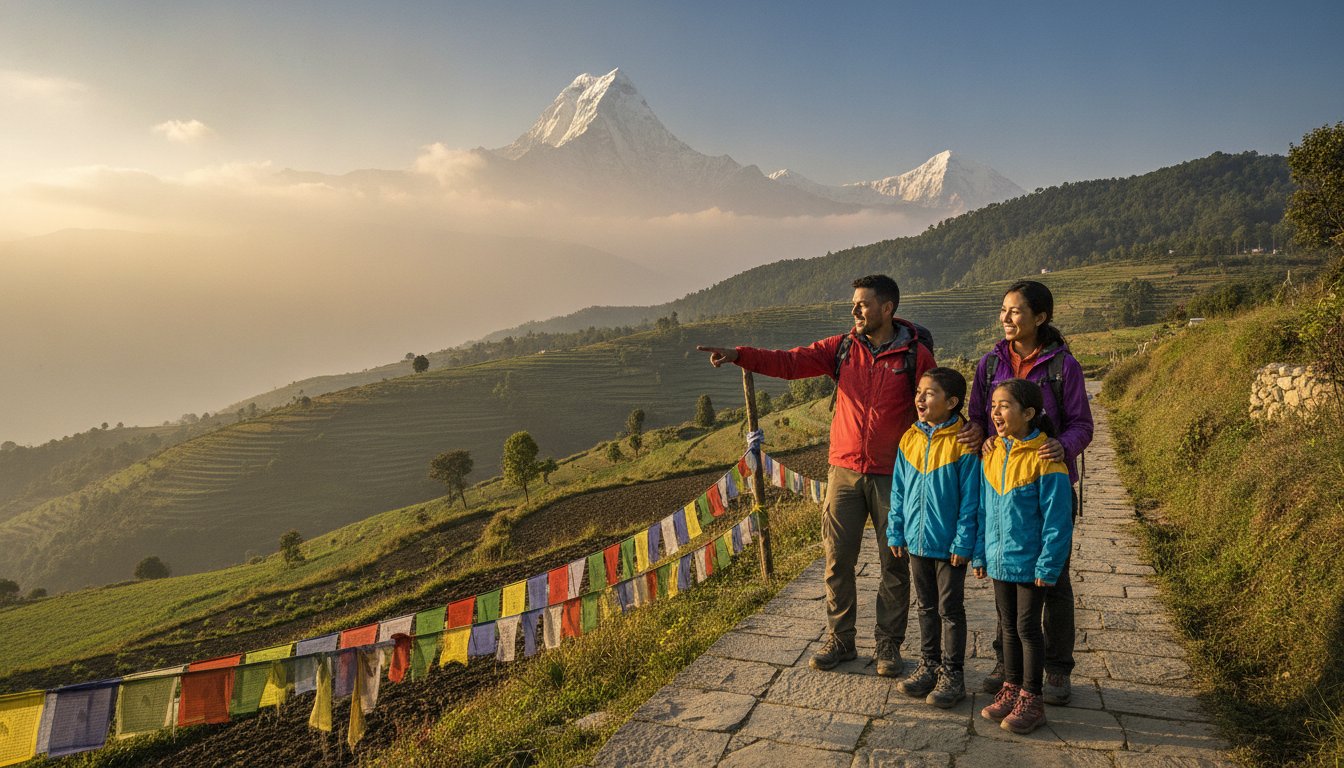
The greatest classroom your children will ever enter doesn’t have four walls; it has the world’s highest peaks. While the thought of taking kids into the Himalayas might feel like a daunting logistical puzzle, it’s actually one of the most rewarding ways to bond. Planning a family trek Nepal adventure in 2026 is about more than just walking. It’s about immersion in a culture of kindness and witnessing the scale of nature together. With Nepal projected to welcome between 1.3 and 1.5 million travelers this year, the mountain infrastructure for families is more accessible than ever before.
We understand the hesitation. You’re likely wondering if the trails are too steep, if the teahouse food is safe, or how to handle altitude concerns with little ones. These are valid fears, but with over 30 years of experience guiding families from our bases in Singapore and Kathmandu, we know that preparation is the antidote to anxiety. This guide provides a clear roadmap for your journey. You’ll discover the most kid-friendly routes, learn about 2026 permit regulations, and get practical advice on packing for success. You’ll gain the confidence to turn that “someday” dream into a safe, culturally rich reality.
Key Takeaways
- Discover why low-altitude teahouse journeys are the perfect entry point for younger explorers, debunking the myth that the Himalayas are only for elite mountaineers.
- Identify the specific criteria for a safe itinerary, including altitude limits and why the Annapurna Foothills remain the top choice for children.
- Master the essentials of altitude sickness prevention and see how a professional guide ensures a worry-free environment for your little adventurers.
- Learn how a family trek Nepal experience serves as a “Himalayan Classroom,” fostering global empathy through visits to local schools and mountain monasteries.
- Understand how to customize your journey with a family-owned expert to ensure every detail, from hygiene to walking pace, is tailored to your children’s needs.
Why Family Trekking in Nepal is the Ultimate 2026 Adventure
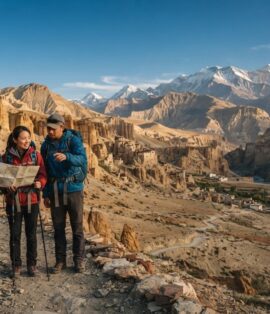
Nepal is often pictured as a land of oxygen tanks and vertical ice walls, but that’s only one side of the story. For families, the real magic happens on the ancient footpaths connecting mountain villages. A family trek Nepal experience in 2026 is actually a “teahouse” journey. This means you aren’t camping in the cold; instead, you’re walking from one cozy lodge to the next, sleeping in real beds and eating hot meals. It’s an accessible adventure that swaps screen time for mountain time. It’s about finding a rhythm that works for your tribe.
While many seasoned hikers aim for the full Annapurna Circuit trek, families can enjoy the same dramatic vistas from the lower foothills without the extreme altitude risks. This “slow travel” approach is at the heart of what we do at Brothers Adventures. We’ve spent over 30 years showing parents that the Himalayas aren’t a barrier; they’re a bridge to deeper family connections. In 2026, as the world moves faster, the mountains offer a rare chance to unplug and actually talk to one another while surrounded by the world’s highest peaks. Families who catch the Himalayan bug often extend their adventures beyond Nepal, exploring Tibet tour packages from Singapore as a natural next step to the Roof of the World.
The “Himalayan Disneyland” Experience for Kids
Imagine your child’s face as they cross a swaying suspension bridge draped in colorful prayer flags. To a kid, Nepal feels like a living storybook. You’ll encounter bells-wearing yaks, hidden forest waterfalls, and local children playing in stone villages. The Nepali people have a deep, cultural respect for family, and they treat young travelers like invited guests. This isn’t just a vacation. It’s a way to build grit. Every uphill climb teaches them that they’re capable of more than they thought. They return home with a sense of resilience that no classroom can provide.
Is My Child Old Enough for a Nepal Trek?
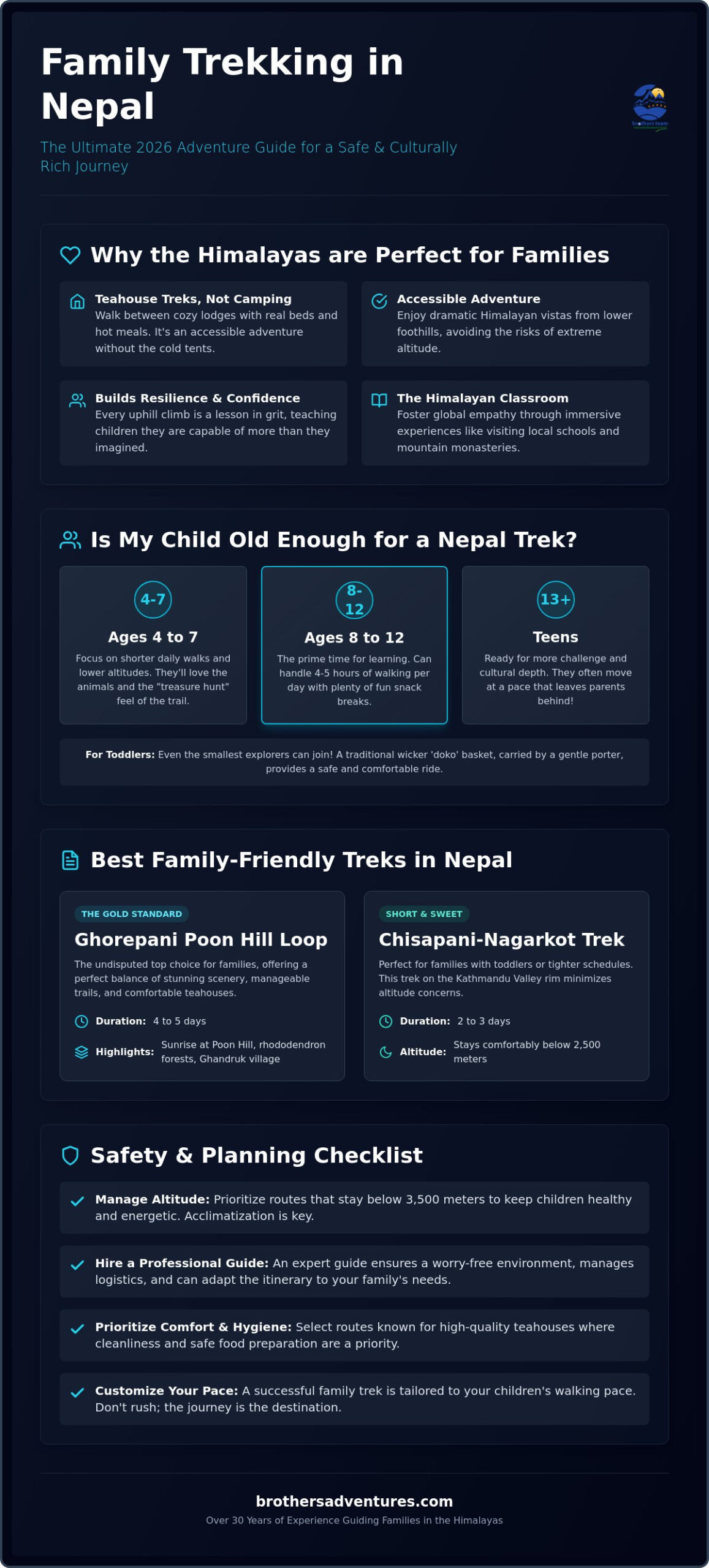
We get this question every day at our offices in Singapore and Kathmandu. The truth is, there isn’t a single “perfect” age, but there is a perfect plan for every age. We’ve seen toddlers enjoy the trails from the comfort of a “doko,” which is a traditional wicker basket carried by a gentle porter. This allows the little ones to take in the views without getting tired.
- Ages 4 to 7: Focus on shorter daily distances and lower altitudes. They love the animals and the “treasure hunt” feel of the trail.
- Ages 8 to 12: This is the prime time for learning. They can handle four to five hours of walking with plenty of snack breaks.
- Teens: They’re ready for more challenge and cultural depth, often moving at a pace that leaves parents behind.
Matching your child’s physical milestones to the right trail is where our expertise comes in. Choosing a guided trek ensures you have the support to pivot your itinerary if the kids need a rest day or a shorter afternoon.
Choosing the Perfect Route: Best Family-Friendly Treks in Nepal
Selecting the right path is the difference between a joyful memory and a stressful ordeal. A successful family trek Nepal itinerary balances three critical factors: altitude, trail steepness, and teahouse comfort. You want routes that offer “easy outs” and high-quality lodging where hygiene is a priority. Since children’s bodies react differently to thin air, we always prioritize routes that stay below 3,500 meters unless we’ve planned for significant acclimatization. This aligns with professional medical advice on high altitude trekking with children, ensuring your little ones stay healthy and energetic throughout the journey.
The Ghorepani Poon Hill Loop
This trail is the undisputed gold standard for families. Usually completed in 4 to 5 days, it offers a manageable walking pace through rhododendron forests and ancient stone villages. The highlight is the sunrise at Poon Hill, where the Dhaulagiri and Annapurna ranges glow in orange and gold. Kids particularly love the village of Ghandruk. It’s a vibrant cultural hub where they can try on traditional Gurung dresses or watch local weavers at work. The teahouses here are among the best in Nepal, providing hot showers and a variety of kid-friendly meals like pancakes and pasta.
Chisapani-Nagarkot: The Best Short Trek near Kathmandu
If you’re traveling with toddlers or have a tighter schedule, look no further than the Kathmandu Valley rim. This route stays comfortably under 2,500 meters, which reduces altitude concerns to near zero. You’ll get stunning views of the Langtang range without the long drive or domestic flight required for other regions. It’s a gentle introduction to trekking that feels like a series of beautiful nature walks rather than a grueling expedition. It’s the perfect way to test your children’s “mountain legs” before committing to a longer journey.
For those dreaming of the world’s highest peak, you don’t need to endure the 12-day trek to Base Camp. Our specialized Everest View itineraries allow you to see the big mountain from the comfort of lower-altitude villages. We often recommend the 8Days Scenic Nepal Mini Trek for families who want big views with smaller daily distances. This approach ensures the kids stay motivated by frequent rewards, whether it’s a view of a 8,000-meter peak or a warm cinnamon roll at a mountain bakery. We’ve spent decades refining these routes to ensure they meet the high standards of our own family.
Safety and Logistics: Ensuring a Worry-Free Himalayan Journey
Safety is the pulse of a successful family trek Nepal. It’s the difference between a stressful expedition and a life-changing bonding experience. When you’re at 3,000 meters, your priorities shift toward oxygen, hydration, and morale. We’ve spent three decades refining our protocols to ensure parents can focus on the view while we focus on the vitals. Our family-owned heritage means we treat your children’s safety with the same rigor we would our own.
Monitoring for Acute Mountain Sickness (AMS) requires a specialized eye, especially with younger travelers. Children don’t always say “I have a headache.” Instead, they might become lethargic, lose their appetite, or simply seem “off.” Our lead guides carry pulse oximeters to check oxygen saturation levels every morning and evening. This isn’t just for data; it’s for peace of mind. Because we maintain offices in both Singapore and Kathmandu, we provide a seamless safety net. If a child needs a rest day or a change in the itinerary, our local team handles the logistics instantly.
Professional Guiding and Porter Support
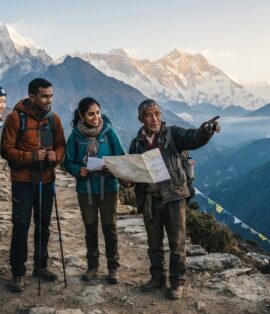
Partnering with a dedicated tour operator ensures you aren’t just another number on the trail. Our guides act as cultural bridges. They turn a simple walk into a history lesson, explaining the significance of ancient prayer wheels and mountain folklore. Hiring local porters is equally vital. It’s an ethical way to support the local economy while ensuring your family isn’t bogged down by heavy packs. For many kids, the bond they form with their porter is the highlight of the trip. These local experts often become mountain “big brothers” who help navigate tricky sections with a smile.
Nutrition and Hydration on the Trail
Fueling small bodies for mountain miles requires a specific strategy. We rely on the “Dal Bhat Power” of lentils and rice, which is prepared fresh in every teahouse. It’s the ultimate slow-release energy source. When it comes to hydration, we prioritize safety and sustainability. We use reliable purification methods to ensure waterborne illnesses don’t interrupt your adventure. Always keep a few “magic” snacks in your daypack. A well-timed chocolate bar or a bag of trail mix can turn a tired hiker back into an excited explorer in minutes. This level of detail is what makes a guided trek Nepal experience so successful for families.
Beyond the Trail: Educational and Cultural Immersion for Kids
A family trek Nepal journey is far more than a physical challenge; it’s a front-row seat to a living museum. While the majestic peaks provide the backdrop, the vibrant people and exotic wildlife provide the narrative. Your children won’t just read about geography. They’ll feel the crisp change in air as they climb and witness the ancient glaciers that feed the roaring rivers below. This “Himalayan Classroom” turns every mile into a lesson in resilience, history, and global citizenship.
Interaction is the heart of the experience. We arrange opportunities for your family to visit local mountain monasteries where the scent of incense and the low hum of chanting create a sense of deep peace. Meeting the legendary Sherpa communities or the families of courageous Gurkha soldiers offers kids a new perspective on bravery and hospitality. Keep your eyes peeled for the grey langur monkeys leaping through the rhododendron canopy or the golden eagles circling the thermal winds high above. These sensory encounters stay with a child long after the hiking boots are packed away. Adventurous families inspired by Himalayan Buddhist culture often go on to discover the ancient monasteries of Tibet through dedicated Tibet tour packages from Singapore, where the spiritual traditions run even deeper.
Customizing for Educational Tours in Nepal for Students
For families who want to dive deeper, we specialize in blending adventure with service learning. This might include delivering supplies to a remote village school or participating in a community reforestation project. Understanding the spiritual heart of the country is equally vital, which we achieve through guided temple visits in the city before the trek begins. The Living Heritage of the Kathmandu Valley is a vibrant tapestry of ancient Newari architecture and daily religious rituals that have remained unchanged for centuries.
Pokhara: The Adventure Hub for Families
Every great adventure deserves a proper celebration. After your trek, we head to Pokhara, a shimmering lakeside city that feels like a mountain playground. It’s the perfect place for kids to decompress and process their journey. Spend an afternoon boating on the calm waters of Phewa Lake, where the reflection of Machhapuchhre (Fishtail Mountain) dances on the surface. Visit the International Mountain Museum to see the gear used by the first Everest explorers, or simply relax in one of the many family-friendly cafes. These spots offer stunning lake views and the best cinnamon rolls in the Himalayas, providing a sweet finish to your epic journey.
Build a custom itinerary that balances high-altitude adventure with profound educational growth by connecting with our specialist team today.
Planning Your Guided Family Trek with Brothers Adventures
Choosing the right partner for your journey is about more than just booking a guide; it’s about joining a family. Our agency has been family-owned and operated since 1992. With dedicated offices in both Singapore and Kathmandu, we provide a seamless logistical bridge that most agencies simply can’t match. This dual presence means we’re with you from the moment you start training in Singapore until the final “Namaste” at the airport in Kathmandu. We don’t just sell tours; we invite you into a heritage of exploration that spans over 30 years. We act as your knowledgeable companion, ensuring every detail is organized so you can stay adventurous.
We specialize in turning standard routes into bespoke adventures. For example, we frequently customize the 8-day Nepal adventure tour to suit the specific energy levels of your children. Whether it’s adding an extra night in a village to explore local farms or arranging a pony for a tired toddler, we handle the details. Your family trek Nepal experience should be as unique as your family itself. We prioritize the quality of the experience above all else, making sure the pace is purposeful and the rhythm is just right for your tribe.
The Custom Itinerary Process
We don’t believe in one-size-fits-all schedules. Our process begins with a realistic assessment of your children’s physical capabilities. We adjust daily walking hours, often cutting standard trekking times in half to allow for frequent snack breaks and spontaneous nature lessons. We hand-pick teahouses that prioritize hygiene and offer essential comforts like hot showers and reliable Wi-Fi. Rest days are never boring; we fill them with local cooking classes or visits to mountain schools. This ensures the pace remains engaging and the discovery never stops.
Preparing for the Everest base camp trek from Singapore
For families with older children or teens, the big question is often whether the legendary EBC route is feasible. It’s a significant undertaking that requires a different level of commitment. We provide a thorough pre-trip consultation to evaluate your goals and fitness levels. Training together is a fantastic way to bond before the trip even starts. We recommend weekend hikes at Bukit Timah or MacRitchie Reservoir to break in your boots and build stamina. Before committing to the journey, families often find it helpful to review a detailed breakdown of the Everest Base Camp trek cost from Singapore, covering everything from permit fees to flight fares, so there are no financial surprises on the road to the Khumbu Valley. If you’re ready to take the leap, contact us for a personalized adventure consultation. We’ll help you decide if the classic route or a modified Everest View trek is the best fit for your 2026 milestone.
Before you fly, we’ll provide a comprehensive final checklist. This includes managing your 2026 permit fees, such as the NPR 2,000 TIMS card or the specific Khumbu region permits. We’ll also guide you through the visa process, which ranges from USD $30 for 15 days to USD $125 for 90 days. Every detail is covered. When you land, you won’t feel like a customer; you’ll feel like an invited guest ready for the adventure of a lifetime.
Step Into Your Next Great Family Milestone
A family trek Nepal adventure is more than just a holiday; it’s a transformative journey that builds lifelong resilience and global empathy in your children. You’ve discovered that with the right route selection and professional medical monitoring, the Himalayas are accessible to explorers of all ages. By focusing on teahouse-based journeys and lower-altitude foothills, you can trade screen time for mountain time without compromising on safety or comfort. These trails offer a rare opportunity to disconnect from the digital world and reconnect with each other.
Since 1992, our family-owned team has acted as the trusted bridge between adventurous travelers and the majestic peaks of Nepal. We maintain dedicated offices in both Singapore and Kathmandu to ensure your logistics are seamless and your support is immediate. Our expert local guides and porters treat your family like their own, guiding you through every suspension bridge and stone village with professional care and infectious enthusiasm. Start planning your family adventure with Brothers Adventures today! The mountains are waiting to become your children’s greatest classroom, and we’re ready to lead the way.
Frequently Asked Questions
Is trekking in Nepal safe for children under 10?
Trekking is safe for children under 10 as long as you choose low-altitude routes and maintain a flexible pace. We recommend staying below 3,000 meters for younger children to minimize any risk from altitude. Our guides are trained to monitor kids for subtle signs of fatigue or changes in behavior. With the right support, even toddlers can enjoy the mountains from the comfort of a traditional doko carrier or a specialized child carrier pack.
What is the best time of year for a family trek in Nepal?
The best windows for a family trek Nepal adventure are the pre-monsoon season from March to May and the post-monsoon season from September to November. These months offer the most stable weather and clear skies for mountain views. Spring brings blooming rhododendrons that kids love, while autumn provides crisp air and the most reliable trail conditions for small feet. These peak seasons ensure that teahouses are fully operational and social for young travelers.
How do we prevent altitude sickness in kids during a trek?
Prevention starts with a slow, gradual ascent and staying hydrated throughout the day. We design our family itineraries with shorter daily distances to allow small bodies plenty of time to adjust to the thinner air. It’s vital to recognize that children might not communicate symptoms clearly, so our guides use pulse oximeters to monitor oxygen levels daily. Always be prepared to descend if a child shows persistent signs of discomfort or lethargy.
What kind of food is available for children in Himalayan teahouses?
Teahouses offer a surprisingly varied menu that includes local staples like dal bhat alongside kid-friendly western dishes. You’ll find pasta, pizza, eggs, and pancakes in almost every lodge across the major trekking regions. We recommend sticking to freshly cooked vegetarian meals to ensure the highest hygiene standards on the trail. Most children quickly develop a taste for Tibetan bread with honey, which is a perfect high-energy breakfast for a day of walking.
Do we need special insurance for family trekking in Nepal?
You absolutely need comprehensive travel insurance that specifically covers trekking up to the maximum altitude of your chosen route. It’s crucial that your policy includes emergency helicopter evacuation, as mountain terrain makes ground transport difficult in an emergency. While we handle all on-ground logistics, we don’t sell insurance directly. You should verify that your provider covers every member of your family for high-altitude activity before leaving home.
Can we hire a pony for my child if they get tired on the trail?
Hiring a pony is a popular and effective way to keep younger children motivated on steeper sections of the trail. This service is widely available in regions like Annapurna and can be arranged by your guide on a daily basis as needed. It allows the kids to rest their legs while still enjoying the scenery and keeping up with the group. We ensure that any animal hired meets our standards for welfare and safety.
How much does a guided family trek in Nepal typically cost?
The cost of a guided journey depends on your group size, the duration of the trip, and the specific route you choose. A private, customized itinerary typically includes your licensed guide, porters, teahouse accommodation, and all necessary permits. While prices vary based on the level of luxury and customization, our family-owned agency provides competitive rates that reflect our 30 years of local expertise and high safety standards for families.
What should we pack specifically for kids on a Nepal trek?
Focus on high-quality layers, including moisture-wicking base layers and a warm down jacket for chilly mountain evenings. It’s essential that children have well-broken-in hiking boots to prevent blisters on the trail. Don’t forget a few small comfort items from home, like a favorite book or a card game, to make teahouse nights feel cozy. We also suggest packing a dedicated “snack bag” with familiar treats to boost morale during tougher uphill climbs.


Comments are closed