


The Ultimate Himalayan Trek Packing List: A 2026 Gear Guide
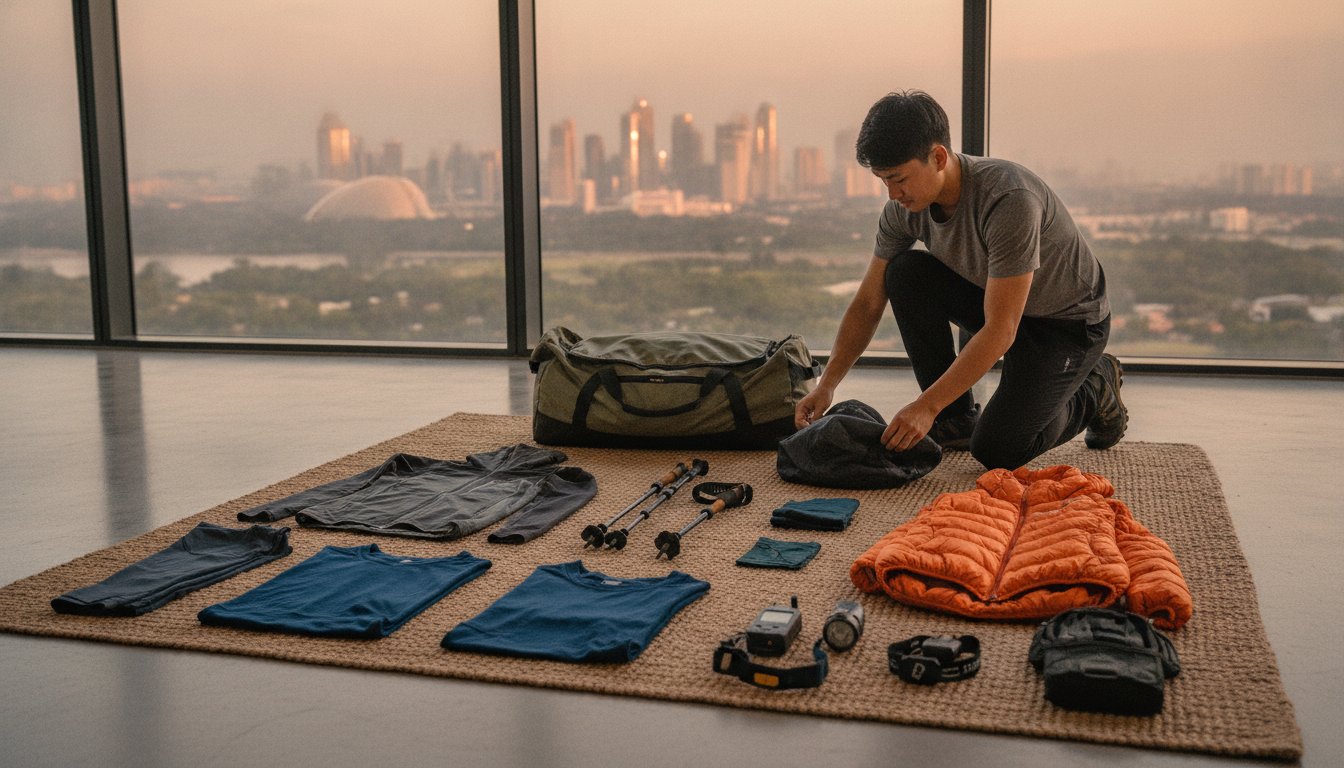
Imagine standing at 5,000 metres while the mercury plunges to -15°C, yet you feel perfectly toasty because of a single, thin layer you almost left at home. Most trekkers think they need a massive suitcase to survive the mountains, but the secret to a successful journey lies in a precise, modular system rather than sheer bulk. Mastering your Himalayan trek packing list isn’t just about fitting everything into a 10kg duffel; it’s about choosing gear that works as hard as you do on the trail.
We know the “pack-xiety” is real. It’s completely normal to worry about freezing during those high-altitude nights or feeling confused by technical terms like “base layers” and “hardshells.” You want to be prepared for the elements without paying for extra weight on your flight to Lukla. Our expert-vetted guide is here to replace that uncertainty with absolute confidence. We’ll show you exactly how to handle sub-zero temperatures with minimal weight, explain which essentials are worth the investment in Singapore, and clarify what bulky items can be easily sourced through our Kathmandu office. From moisture-wicking fabrics to the right footwear, you’re about to become a packing pro ready for the adventure of a lifetime.
Key Takeaways
- Master the three-pillar layering system to stay warm in sub-zero temperatures without overpacking your bags.
- Get the definitive Himalayan trek packing list designed to meet the strict 15kg weight limits for mountain flights.
- Learn how to manage your electronics and health with a specialized high-altitude medical kit and smart power solutions.
- Identify which heavy gear items you should buy in Singapore versus what you can conveniently rent in Kathmandu.
- Discover itinerary-specific gear adjustments for iconic routes like Everest Base Camp and the Annapurna Circuit.
The Golden Rule of Himalayan Packing: Modularity and Layers
Many first-time adventurers heading from the humid streets of Singapore to the high-altitude trails of Nepal make the same classic mistake. They pack one massive, heavy parka and assume it’ll solve every problem. In reality, that “one big jacket” is a rookie error that leads to a frustrating cycle of overheating while walking and shivering the moment you stop. Your Himalayan trek packing list should follow a modular philosophy. This system allows you to adapt instantly as you move from sun-drenched valleys to wind-whipped ridges.
Flying from the tropical warmth of Singapore into the crisp, thin air of the Himalayas can be a literal shock to the system. Managing this “thermal shock” requires a kit that functions like a thermostat. A modular approach doesn’t just keep you warm; it provides a psychological sense of control. When you know exactly which layer to peel off as the sun hits the trail, you stay comfortable and focused on the stunning peaks rather than your own discomfort. This organized mindset is your best friend when facing the unpredictable mountain weather.
The Base Layer: Your Second Skin
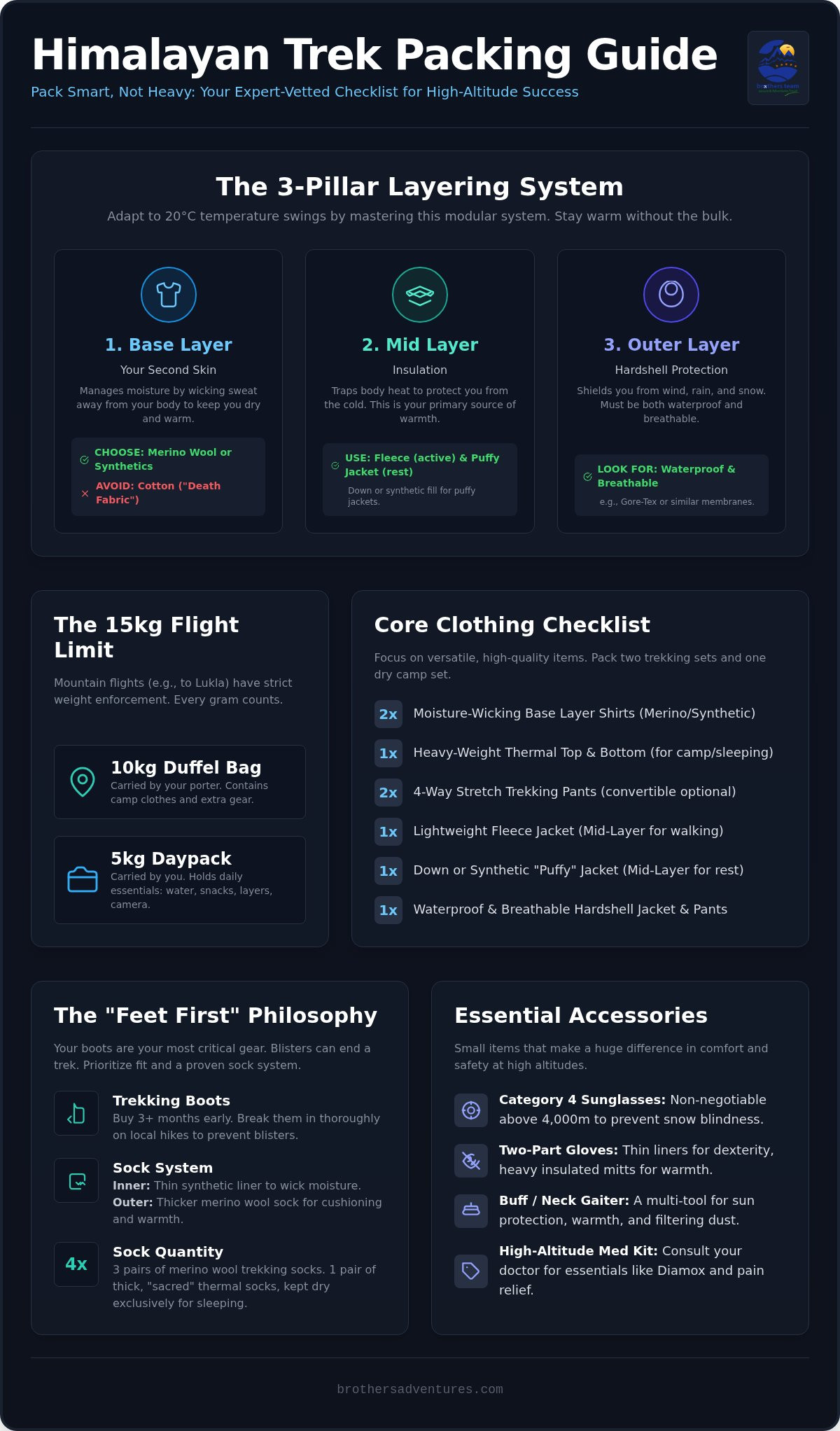
Building a smart Himalayan trek packing list starts with what touches your skin first. For 2026, merino wool remains the gold standard because it regulates temperature and resists odours even after days of wear. If you have wool sensitivities, high-quality synthetic “tech” shirts are excellent alternatives. Whatever you do, leave the cotton at home. We call cotton “death fabric” in the mountains because it absorbs sweat, stays wet, and siphons heat away from your body. In the alpine environment, moisture management is a matter of safety.
Insulation and Weather Protection
The mid-layer is where you trap vital body heat. A lightweight fleece is perfect for active trekking because it breathes well and dries quickly. When you stop for lunch or reach camp, swap to a “puffy” down or synthetic jacket to lock in warmth immediately. Finally, your outer hardshell acts as a shield. Look for breathable, waterproof membranes like Gore-Tex to block biting winds and unexpected snow. This combination is vital because temperatures in the Nepal Himalayas can swing by 20°C the moment you step into the shade of a mountain peak.
The Definitive Clothing Checklist for 2026 Trekkers
When you’re preparing your Himalayan trek packing list, remember that every gram counts. Small mountain flights, such as those to Lukla, strictly enforce a weight limit of 15kg total. This usually breaks down to a 10kg duffel bag and a 5kg daypack. Focus on high-quality, versatile items rather than carrying multiples of everything. For an 8 to 10-day journey, you only need two sets of trekking clothes and one dedicated “camp kit” that stays dry in your bag at all times.
Invest in trekking pants with 4-way stretch to handle high steps over boulders. Convertible options that zip off into shorts are excellent for the warmer, lower valleys of the 8Days Nepal Adventure Tour. Once the sun dips below the peaks, temperatures plummet instantly. Your camp kit should include a heavy-weight thermal top and bottom, plus a clean pair of “sacred” socks that never touch the trail. Keeping your sleeping gear dry is the single most important factor for a restful night when it’s -15°C outside.
The “Feet First” Philosophy
Your boots are your most critical piece of hardware. Buy them at least three months before your departure and wear them on weekend hikes around Bukit Timah or MacRitchie Reservoir. This prevents painful blisters that can end a trip early. Use a thin liner sock made of synthetic material under a thicker wool trekking sock to reduce friction on long descents. For life around the lodge, pack lightweight sandals or down booties. Giving your feet a break from heavy boots each evening is a luxury you won’t want to skip.
Accessories That Save the Day
Protecting your extremities is vital because that’s where heat escapes fastest. A simple Buff or neck gaiter is a multi-tool. It protects your neck from the sun, keeps your ears warm, and filters out the dry “Khumbu cough” dust. At altitudes above 4,000m, the UV radiation is incredibly intense. Category 4 sunglasses are non-negotiable; standard fashion lenses won’t protect you from snow blindness. For your hands, use a two-part system. Wear thin liner gloves for dexterity while taking photos, and pull on heavy, insulated mitts for those freezing early morning starts.
- 3 pairs of merino wool trekking socks
- 1 pair of thick thermal sleeping socks (keep these dry!)
- 2 moisture-wicking base layer shirts
- 1 pair of 4-way stretch trekking pants
- Category 4 polarized sunglasses
Technical Hardware: Carrying Your World on Your Back
When you join one of our guided journeys, you aren’t expected to haul a 65L monster pack over a 5,000m pass. That is a common misconception found on many online forums. In reality, your Himalayan trek packing list should account for a two-bag system. Your main duffel bag, which holds your heavy gear and sleeping kit, is carried by our professional porters. You only need to manage a daypack containing your essentials for the trail. This allows you to focus on the breathtaking vistas instead of straining under a heavy load.
Hydration is another area where technical choices matter. While hydration bladders are convenient for sipping, their tubes often freeze during those crisp Himalayan mornings. We recommend carrying at least one 1-litre Nalgene bottle. These are indestructible and double as a hot water bottle to keep your feet warm inside your sleeping bag at night. When selecting a sleeping bag, always look at the “comfort” rating rather than the “extreme” rating. For most treks, a bag rated for -15°C comfort is the sweet spot for a cozy night’s sleep. If you don’t want to lug a bulky sleeping bag from Singapore, we can help you source or rent high-quality ones in Kathmandu.
Selecting the Perfect Daypack
A 25L to 35L daypack is the ideal size for most adventure holidays. It provides enough room for your water, camera, extra layers, and snacks without becoming cumbersome. Ensure your pack has a supportive hip belt to transfer weight from your shoulders to your pelvis. For protection against mountain rain or snow, use internal dry bags. These are more reliable than external rain covers, which can often catch the wind like a sail on exposed ridges.
Trekking Poles and Joint Health
Trekking poles are not just for older hikers; they are essential tools for anyone looking to preserve their knees on rugged terrain. For 2026, aluminum poles are often preferred over carbon fiber for their durability, as they bend rather than snap under pressure. Using poles can reduce the impact on your joints by up to 25 percent on steep descents. To get the most out of your gear, you should also focus on your physical readiness. Check out our How to prepare for Everest Base Camp: Training Guide for specific exercises that build the stability you’ll need for the trail.
Electronics, Health, and Logistics: The Small Essentials
While your boots and layers form the foundation of your journey, the small items in your Himalayan trek packing list often determine your daily comfort. In 2026, the trekking landscape has shifted toward digital systems, such as the E-TIMS QR permits now required in Nepal. However, you’ll still need a stash of physical local currency for the remote tea houses where Wi-Fi and card machines remain a luxury. Don’t rely solely on digital wallets once you leave Kathmandu or Paro.
Staying healthy in remote lodges requires a proactive approach to hygiene. Pack high-alcohol hand sanitizer and biodegradable wet wipes, as hot water for showers is often limited and expensive at higher elevations. A small, personal medical kit should go beyond basic bandaids. Include blister pads, rehydration salts, and broad-spectrum antibiotics. If you’re feeling overwhelmed by the logistics, our team at Brothers International Tours & Trading Pte Ltd handles the complex permit filings and local logistics so you can focus on the climb.
Modern Power Solutions for 2026
The biting Himalayan cold is a notorious battery killer. Keep your phone and camera batteries inside your sleeping bag at night to preserve their charge for those sunrise summit photos. When flying from Singapore, remember that airline regulations typically limit lithium batteries to 100Wh. While solar chargers look adventurous, they are often too slow and heavy for a moving trek. For a standard 12-day journey, a 20,000mAh power bank is the ideal capacity to keep your essential devices running without exceeding weight limits.
Health and Altitude Safety
Water safety has evolved significantly. In 2026, many trekkers prefer UV purification pens for their speed and lack of chemical aftertaste, though backup chlorine tablets are still a lightweight necessity. Managing Acute Mountain Sickness (AMS) is the most critical part of your preparation. Discuss preventative medications like Diamox with your doctor in Singapore well before your flight. For a deeper dive into staying well at 5,000m, read our guide on High-Altitude Safety and Expedition Preparation.
Tailoring Your List for Specific Himalayan Itineraries
While the foundational layers we’ve discussed apply to every mountain journey, your specific route dictates the final refinements of your Himalayan trek packing list. For instance, the Everest Base Camp trek requires gear that can withstand the abrasive, dusty terrain of the Khumbu glacier. In contrast, the Annapurna Circuit begins in lush, humid valleys where you’ll want lightweight, breathable clothing before you reach the high-altitude cold. Your choice of tour operator also significantly impacts what you need to bring from Singapore. At Brothers International Tours & Trading Pte Ltd, we provide high-quality sleeping bags and down jackets for our guests, which saves you precious space and weight in your luggage.
If you’re eyeing the 10Days Bhutan Druk Path Trek, prepare for a transition into a true wilderness camping experience. Unlike the teahouse culture of Nepal, these remote expeditions require a focus on camp comfort. You won’t need to carry your own tent, but having a reliable pair of camp shoes and high-quality thermal underwear is essential for those chilly nights under the stars. For the Kashmir Great Lakes trek, ensure your footwear has exceptional grip for the slippery, grassy passes that define the region. If you’re still deciding on your route, exploring the full range of Nepal adventure packages from Singapore can help you match the right itinerary to your fitness level and budget before you finalize your packing list.
The Nepal Teahouse Experience
Most trekkers in Nepal stay in traditional teahouses. While these lodges are charming, the walls are often thin. Pack a pair of high-quality earplugs and an eye mask to ensure a solid night’s sleep when other trekkers are starting their summit bids at 3:00 AM. A silk or fleece sleeping bag liner is another must-have; it adds an extra layer of warmth and provides a clean barrier between you and the lodge blankets. For a day-by-day breakdown of gear needs, explore The Ultimate 8-Day Nepal Adventure Tour Checklist & Itinerary.
Bhutan and Pakistan: Remote Expeditions
Camping in Bhutan or Pakistan offers a deep connection to the mountains, but it demands organized packing. Since domestic mountain flights to places like Lukla or Skardu strictly enforce a 15kg weight limit (10kg duffel and 5kg daypack), you must be ruthless. Use packing cubes to compress your gear and keep your “camp kit” separate from your “trail kit.” This “one-bag” challenge is easier when you rely on our local expertise to provide the bulky expedition hardware. Trust our long history of service to ensure you have exactly what you need for the specific terrain of your chosen path.
Ready to Step Into the Peaks?
You’ve navigated the technical nuances of layering and weight management for the world’s highest trails. From breaking in your boots on Singapore’s local trails to understanding the modular magic of merino wool, your Himalayan trek packing list is now a blueprint for success. You aren’t just packing gear; you’re preparing for a transformation amidst the peaks, ensuring that every item in your bag serves a vital purpose for your safety and comfort.
Preparing for any significant life change requires the right support and information. For instance, those looking to navigate a move might visit Auntie Tobi for a guide on living in the UK, while our expertise ensures you are ready for the physical transformation of a Himalayan trek.
Brothers International Tours & Trading Pte Ltd has been bridging the gap between Singapore and the Himalayas since 1992. With our dual-office logistics and expert-led teams, we handle the complex permits and heavy lifting so you can focus on the sunrise over Everest. Our guides bring decades of high-altitude safety experience to every mile of your journey, providing the steady guidance you expect from an established specialist.
Plan Your Next Himalayan Journey with Brothers International Tours & Trading Pte Ltd
The mountains are waiting. Armed with the right gear and a seasoned partner, you’re ready to make your Himalayan dreams a reality. We look forward to seeing you at the trailhead for the adventure of a lifetime.
Frequently Asked Questions
What is the maximum weight for my trekking duffel bag?
The maximum weight for your trekking duffel bag is 10kg if you’re flying into mountain airstrips like Lukla. This is part of a strict 15kg total limit that includes your 5kg daypack. These regulations are strictly enforced for flight safety on small aircraft. If you’re worried about weight, remember that our porters carry the heavy duffel while you only handle your essentials.
Can I rent high-quality trekking gear in Kathmandu?
You can definitely rent professional-grade gear through our Kathmandu office to save luggage space. Bulky items like -15°C sleeping bags and heavy down jackets are the most popular rentals for travelers flying from Singapore. We ensure all rental equipment is thoroughly cleaned and tested for mountain conditions. This approach helps you avoid buying expensive gear you might only use once.
How many pairs of socks should I pack for a 12-day trek?
Pack three pairs of high-quality merino wool trekking socks and one dedicated pair of thick thermal socks for sleeping. You don’t need a fresh pair every day because merino wool is naturally odor-resistant and dries quickly. Rotate your trekking pairs throughout the journey. Always keep your sleeping socks bone-dry at the bottom of your bag to ensure warm feet at night.
Do I need a down jacket for a summer Himalayan trek?
Yes, a down jacket is a mandatory item for any Himalayan trek packing list regardless of the season. Temperatures at high-altitude base camps often drop below freezing even during the peak of summer. While you’ll trek in light layers during the day, you’ll need significant insulation the moment the sun sets. It’s your primary shield against the biting mountain wind.
What size power bank is allowed on flights to Nepal?
Most airlines restrict lithium power banks to a maximum capacity of 100Wh, which is roughly 27,000mAh. You must carry all batteries in your cabin luggage because they’re strictly prohibited in checked bags. For an 8-day or 12-day adventure, a 20,000mAh unit is usually the perfect balance between weight and charging capacity. It’ll keep your phone and camera powered for the whole trip.
Is it better to use a water bladder or bottles in the Himalayas?
We recommend using indestructible Nalgene bottles over water bladders for high-altitude trekking. Bladder tubes often freeze solid during chilly morning starts, leaving you without a way to drink. A wide-mouth bottle is also easier to fill with boiling water at teahouses. These bottles double as a cozy bed warmer when tucked into your sleeping bag on freezing nights.
What kind of footwear do I need for the evening in teahouses?
Bring lightweight sandals or insulated down booties to wear inside the lodges after a long day. Your feet need a break from heavy, stiff trekking boots to recover properly. Sandals are practical for communal areas and are easy to slip on over your thick wool socks. Choose a pair with a decent grip, as lodge floors can sometimes be slippery or uneven.
Can I buy trekking gear in Singapore before I fly?
Singapore has excellent specialty retailers like Decathlon, Campers’ Corner, or Outdoor Life where you can buy your core gear. It’s especially important to buy your boots in Singapore at least three months early so you can break them in. Testing your Himalayan trek packing list on local trails like Bukit Timah ensures everything fits perfectly before you reach the mountains.


Comments are closed