


An Annapurna Itinerary Example for 10 Days
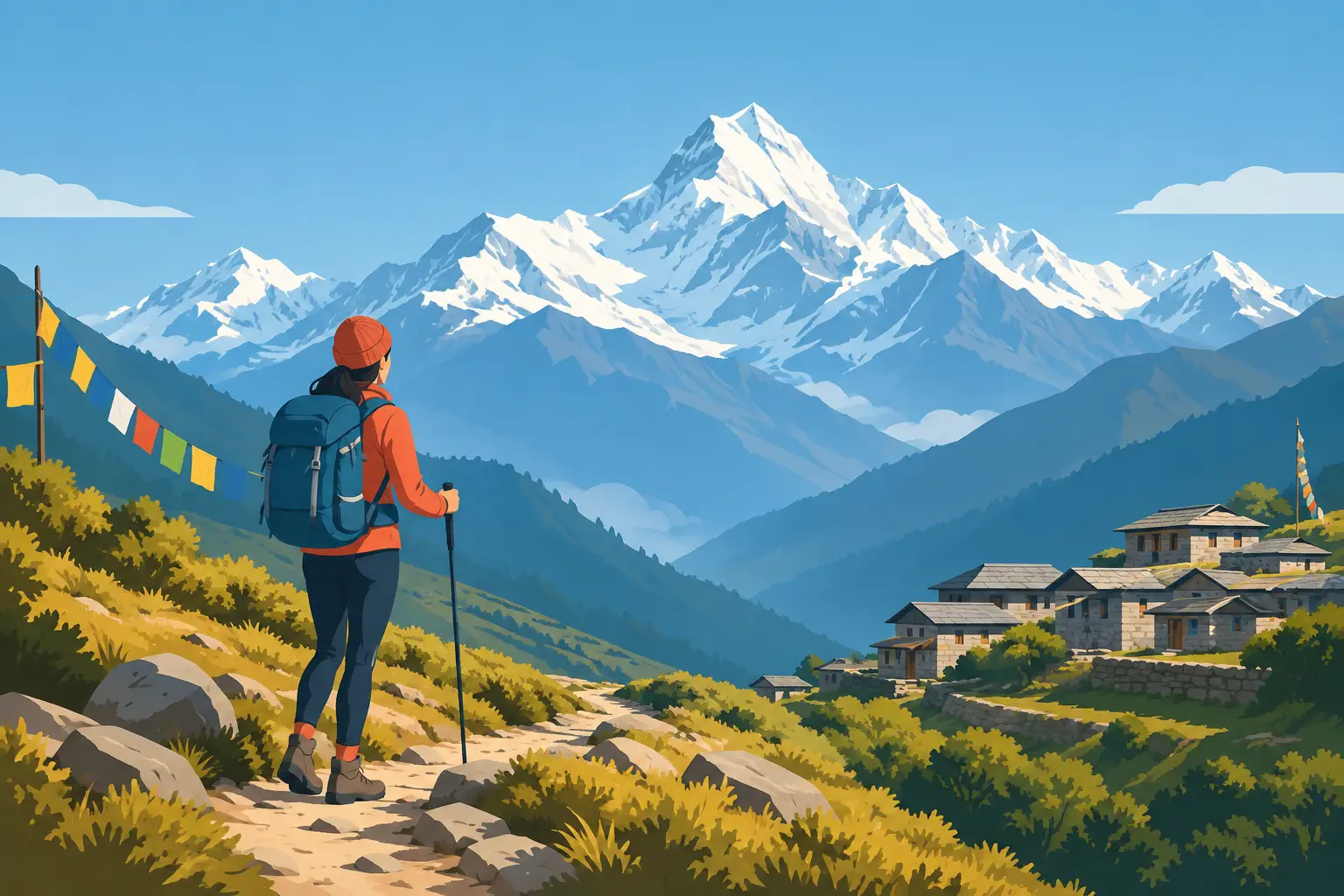
The first view from Poon Hill arrives after a pre-dawn climb, when the Dhaulagiri and Annapurna ranges begin to catch the light. It is a memorable reward, but it should not be rushed. This Annapurna itinerary example is built around sensible pacing, comfortable lodge stops and time to enjoy the villages that make this region much more than a mountain walk.
For first-time Himalayan trekkers, the Poon Hill route is an excellent introduction to Annapurna. It offers big mountain scenery without the higher sleeping altitudes of Annapurna Base Camp, while still asking for steady fitness and a willingness to climb plenty of stone steps. The 10-day plan below begins and ends in Kathmandu, with enough room for travel logistics and a more relaxed experience on the trail.
Which Annapurna trek does this itinerary suit?
“Annapurna trek” can describe several very different journeys. The Annapurna Circuit crosses high and often exposed terrain over a mountain pass. Annapurna Base Camp takes longer and reaches a much higher overnight point. This itinerary follows the Ghorepani Poon Hill trek, a classic lodge-based route through rhododendron forest, Magar and Gurung settlements, terraced hillsides and wide Himalayan viewpoints.
It suits active travellers who can manage five to six hours of walking on most trekking days, including long uphill sections. It also works particularly well for friends, families with capable older teenagers, school groups with appropriate supervision, and travellers adding a cultural stay in Kathmandu or Pokhara to their Nepal holiday.
The highest point is Poon Hill at approximately 3,210 metres. Most nights are spent lower than this, which reduces altitude risk compared with longer Annapurna routes. Reduced risk does not mean no care is needed. A gradual walking pace, regular hydration and honest communication with your guide remain central to a safe and enjoyable trek.
Annapurna itinerary example: 10 days via Poon Hill
Day 1: Arrive in Kathmandu
Arrive in Kathmandu and settle into your hotel. This is the time for a trek briefing, equipment check and a chance to ask practical questions about boots, layers, luggage and medication. If your international flight arrives late, it is wise to keep this day free from sightseeing commitments.
Day 2: Kathmandu to Pokhara
Travel to Pokhara by domestic flight or private road transfer. Flying is quicker, but mountain weather can occasionally affect schedules. Driving takes longer, usually most of the day, yet gives greater flexibility when flights are disrupted. Pokhara’s lakeside setting is a gentle transition before the trek begins, with Machhapuchhre often visible above the valley on a clear afternoon.
Day 3: Pokhara to Ulleri, via the trailhead
After breakfast, drive towards the trekking trailhead, usually at Hile, Nayapul or Ulleri depending on road conditions and the chosen route. The first walking day leads through farmland and small settlements before the well-known ascent to Ulleri. The stone staircases can feel demanding, especially in warm weather, so a slow, even rhythm is more useful than speed.
An overnight in Ulleri or nearby Banthanti allows the group to settle into trail life. Your duffel bag is normally carried separately, leaving you with a daypack containing water, waterproofs, sun protection and personal essentials.
Day 4: Ulleri to Ghorepani
The route climbs steadily through oak and rhododendron forest towards Ghorepani, at around 2,874 metres. In spring, the hillsides can be bright with rhododendron blooms; in autumn, clear skies often bring crisp views through the trees. The trail has plenty of steps, but it also offers tea-house pauses and a changing landscape that makes the day feel varied.
Ghorepani is a busy trekking village in peak season, and an early arrival helps secure a comfortable lodge room. Spend the afternoon resting, drinking fluids and preparing warm layers for the following morning’s early start.
Day 5: Poon Hill sunrise, then on to Tadapani
Set out before dawn for the climb to Poon Hill. A head torch, gloves and a warm insulated layer make a real difference, particularly from November to February. From the viewpoint, the panorama can include Dhaulagiri, Nilgiri, Annapurna South, Hiunchuli and the distinctive summit of Machhapuchhre.
After returning to Ghorepani for breakfast, continue through forest and ridgeline trails towards Tadapani. This is a full but rewarding day, with occasional mountain views appearing between the trees. Overnighting in Tadapani provides a quieter, more remote feel after Ghorepani.
Day 6: Tadapani to Ghandruk
Descend through woodland to Ghandruk, one of the region’s most attractive Gurung villages. Stone houses, terraced fields and close-up views of Annapurna South and Machhapuchhre give the village a special character. The shorter walking day is deliberate: it creates space to visit the local museum if open, enjoy the village atmosphere and recover from the previous day’s distance.
This is where a good itinerary earns its value. A trek should not treat every village as merely a place to sleep. Time in Ghandruk offers a clearer sense of the communities, farming traditions and mountain life that support trekking in the Annapurna region.
Day 7: Ghandruk to Pokhara
Walk down to the roadhead, then transfer back to Pokhara. Conditions on mountain roads vary with season and maintenance, so journey times should be treated as approximate. Back in Pokhara, a hot shower, fresh clothes and a relaxed lakeside meal are simple pleasures after several days on the trail.
Day 8: Pokhara at leisure
Keep a full day in Pokhara rather than rushing straight back to Kathmandu. You may choose gentle sightseeing around Phewa Lake, visit the International Mountain Museum, or simply rest. This buffer also helps protect the wider itinerary if trail transport or weather has caused a delay.
Day 9: Pokhara to Kathmandu
Return to Kathmandu by flight or road. If time permits, spend the evening exploring a heritage area such as Boudhanath or Patan, or enjoy a celebratory Nepalese dinner with your trekking companions.
Day 10: Departure from Kathmandu
Transfer to the airport for your onward flight. If you have spare days, consider adding a Chitwan wildlife stay, Bhaktapur sightseeing or a second night in Kathmandu before departure.
Why the pace matters
A shorter Poon Hill trek can be completed in fewer days, and experienced walkers sometimes prefer that approach. The trade-off is tighter transport connections, longer daily distances and less resilience when rain, road conditions or flight delays interfere. For travellers flying in from Singapore, the UK or elsewhere, starting a major trek immediately after a long journey is rarely the most enjoyable choice.
This plan builds in recovery time without turning an active holiday into a passive one. It provides manageable walking stages, a rest opportunity in Pokhara and time to absorb the cultural side of the route. For many guests, that balance is what makes the experience feel achievable rather than exhausting.
Practical planning for the Annapurna region
Trekking permits and local entry requirements can change, so they should be checked close to departure. Your operator should arrange the necessary documentation, confirm current trail access and explain what identification and photographs are required. In some areas, trekking with an authorised guide is required; even where rules allow independent travel, local guide support brings route knowledge, language help and an informed response if someone feels unwell.
Pack for changeable conditions. Days may be warm enough for a light trekking shirt, while early mornings and evenings can require fleece, insulated jacket, hat and gloves. Waterproof outer layers are essential in the monsoon and still useful at other times of year. Well-worn trekking boots, walking poles and a reusable water bottle are practical rather than optional luxuries.
October to November and March to April are popular for clearer mountain views and comfortable trekking temperatures. Winter can bring beautifully clear skies but colder nights, while monsoon trekking offers lush landscapes at the cost of leeches, rain and less dependable views. The best season depends on whether your priority is mountain photography, quieter trails, flowering forests or school-holiday timing.
A specialist team can tailor this outline around your fitness, group size and available leave. Brothers Team coordinates the ground arrangements that matter on a Himalayan trek, from permits and transfers to lodge planning, experienced guides and on-trip support.
Choose a route that leaves room to look up, pause for tea with your hosts and wake before sunrise when the mountains are at their clearest. Those moments, not the fastest finishing time, are often what travellers carry home from Annapurna.


Comments are closed