


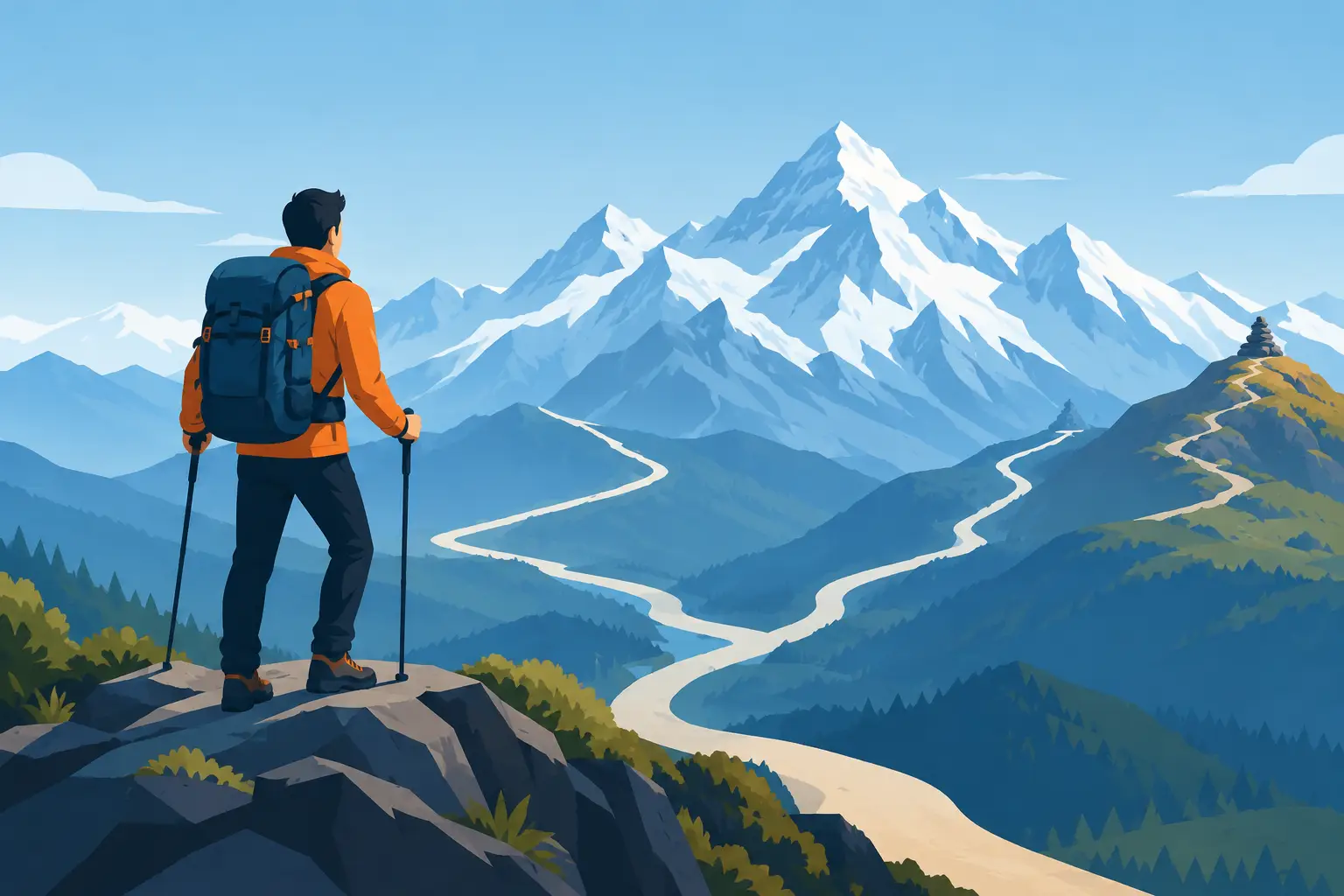
Himalayan Expeditions: Choose the Right Challenge
The first view of the Himalaya has a way of changing the scale of your plans. A distant ridge that looked manageable on a map becomes a vast landscape of glaciers, prayer flags, high passes and villages reached only on foot. That is the appeal of Himalayan expeditions – but the same scale demands good judgement. The most rewarding journey is not necessarily the highest or hardest one. It is the route that suits your fitness, experience, available time and appetite for challenge.
For some travellers, that means a carefully paced first trek to Poon Hill or Annapurna Base Camp. For others, it is the long approach to Everest Base Camp, the quieter valleys around Gokyo Lakes, or a mountaineering objective requiring specialist skills. The Himalaya can offer all of these experiences, provided the trip is planned with respect for the mountain and the people who call it home.
What makes a Himalayan expedition different?
A Himalayan holiday is not defined only by altitude. It is a combination of changing terrain, variable weather, limited access and cultural depth. A typical day may begin beside terraced fields and subtropical forest, climb through rhododendron and pine, then finish above the treeline with snow peaks filling the horizon. Lodges, flights, permits, baggage arrangements and meals all need to work together, often in regions where a road or a weather delay can change the schedule.
The word ‘expedition’ is often used broadly. A trekking expedition follows established trails and usually stays in lodges or camps, without technical climbing. A peak-climbing or mountaineering expedition has a more demanding objective, with specific equipment, training, climbing support and a greater dependence on conditions. Neither is automatically better. The right choice depends on what you want to take home from the journey.
A first-time trekker may find that walking through Sherpa villages, reaching a high viewpoint and sharing tea with fellow travellers is every bit as memorable as standing on a summit. An experienced mountaineer may be ready for the commitment of a climbing peak. Honest route selection is the foundation of a safe and enjoyable trip.
Choosing between Himalayan expeditions and treks
Start with the question most travellers skip: what kind of days do you genuinely enjoy? If you like steady walking, varied scenery and cultural encounters, a classic lodge trek can be ideal. If you are motivated by remote passes, longer days and higher camps, a more strenuous itinerary may suit you. If your ambition is a summit, assess your technical background as carefully as your cardiovascular fitness.
Everest Base Camp is a powerful goal, but it is not the only outstanding route in Nepal. The Everest region offers different ways to experience the Khumbu. A Gokyo Lakes and Cho-La Pass itinerary adds turquoise lakes, broad glacier views and a high crossing, creating a more demanding but particularly varied journey. The standard Everest Base Camp route is often a stronger choice for travellers who want a direct focus on the famous destination and a simpler trekking rhythm.
In the Annapurna region, Poon Hill offers a shorter and more accessible introduction to Himalayan walking, with sunrise views across Dhaulagiri and Annapurna. Annapurna Base Camp takes you deeper into the mountains and rewards sustained effort with a spectacular natural amphitheatre of peaks. These routes can be excellent for travellers who have limited time or prefer a different atmosphere from the Everest region.
It also depends on the season. Spring generally brings warmer days and flowering forests, while autumn is known for clear mountain views after the monsoon. Winter can be beautifully quiet but colder, with snow affecting high passes. Monsoon trekking requires a flexible mindset and is better suited to selected rain-shadow areas or travellers prepared for wet trails and less predictable views.
Acclimatisation is part of the itinerary
At altitude, determination is not a substitute for acclimatisation. Anyone can be affected by altitude illness, regardless of age, fitness or previous trekking experience. The body needs time to adapt to lower oxygen levels, which is why a sensible Himalayan itinerary includes gradual ascent, rest or acclimatisation days, and room to adjust if someone feels unwell.
A good plan does not treat these days as wasted time. On an acclimatisation day, a short hike to a higher viewpoint followed by a lower overnight stop helps the body adjust while adding another memorable mountain experience. It also gives you time to notice the places that can otherwise blur past: a monastery wall, a small bakery in Namche Bazaar, or the changing light on a valley below.
Be open with your guide about symptoms such as headache, nausea, dizziness, unusual tiredness or poor sleep. The correct response may be rest, no further ascent, or descent. This can feel disappointing when a destination is close, but a summit, pass or base camp is never worth gambling with health. The mountain will remain; good decisions allow you to enjoy more of it.
Prepare for the walking, not just the photograph
The best preparation is regular, progressive exercise that resembles the effort you will make on the trail. Build a base with walking, cycling, swimming or running, then add hill walks, stairs and longer weekend outings with the boots and daypack you intend to use. Focus on being able to move comfortably for several consecutive days, rather than chasing one exceptionally hard gym session.
Strength work helps too, especially for legs, hips, core and balance. Downhill walking is often harder than expected, placing pressure on knees and thighs after a long day. Trekking poles can reduce strain and provide stability on uneven ground, but practise with them before departure.
For a climbing expedition, preparation must go further. You may need experience with crampons, ice axe use, rope systems and moving safely on snow or ice. A reputable operator will be clear about the technical standard expected. There is real value in choosing a route that develops your skills rather than one that asks you to learn everything under pressure at altitude.
The value of local support
Independent travel can be appealing, but Himalayan logistics are rarely as simple as booking a flight and following a trail. Domestic mountain flights may be weather-dependent. Permit requirements can change. Accommodation is limited in busy periods, and the best daily plan may depend on trail conditions, group wellbeing and local knowledge.
Experienced local guides bring much more than route finding. They understand the pace that works at altitude, know when a schedule needs adjusting and can explain the customs, faith and history of the communities you pass through. Porters and support teams make it possible for trekkers to carry a lighter daypack and concentrate on walking safely. Their work deserves respect, fair conditions and proper equipment.
Brothers Team combines Kathmandu-based operations with personal trip planning, coordinating the practical details from permits and transport to lodges, meals and altitude support. That careful organisation leaves more space for the reason you came: to be present in an extraordinary landscape.
Pack for changeable mountain days
Himalayan weather can shift quickly. A warm, bright morning may become windy and cold by lunchtime, particularly at higher elevations. Layering is more useful than relying on one heavy item: a breathable base layer, insulating mid-layer and waterproof outer shell allow you to respond to the day as it unfolds.
Your boots should be worn in well before the trip, with enough support for uneven trails and room for thicker socks. A warm hat, gloves, sun protection, refillable water bottles, head torch and personal first-aid items are practical essentials. Keep critical items such as medication, documents and a warm layer in your daypack, not in baggage carried separately.
Avoid overpacking. Most trekking days are more pleasant with a light pack, and high-altitude lodges are not places for elaborate wardrobe changes. Choose reliable equipment, understand how to use it and bring only what earns its place.
Let the journey be bigger than the endpoint
The Himalaya rewards travellers who look beyond a single tick-box moment. Reaching Everest Base Camp, crossing Cho-La Pass or standing beneath Annapurna’s great walls can be deeply meaningful, yet the lasting memories often arrive quietly: bells on a mule train, children calling a greeting from a hillside, a cup of ginger tea after rain, or the first clear sight of a peak you have been walking towards for days.
Choose an expedition with enough time to acclimatise, enough challenge to make the achievement feel real, and enough flexibility to respond wisely to the mountain. Then take the first step with curiosity. The trail will do the rest.


Comments are closed