


Choose a Rajasthan Cultural Tour Package
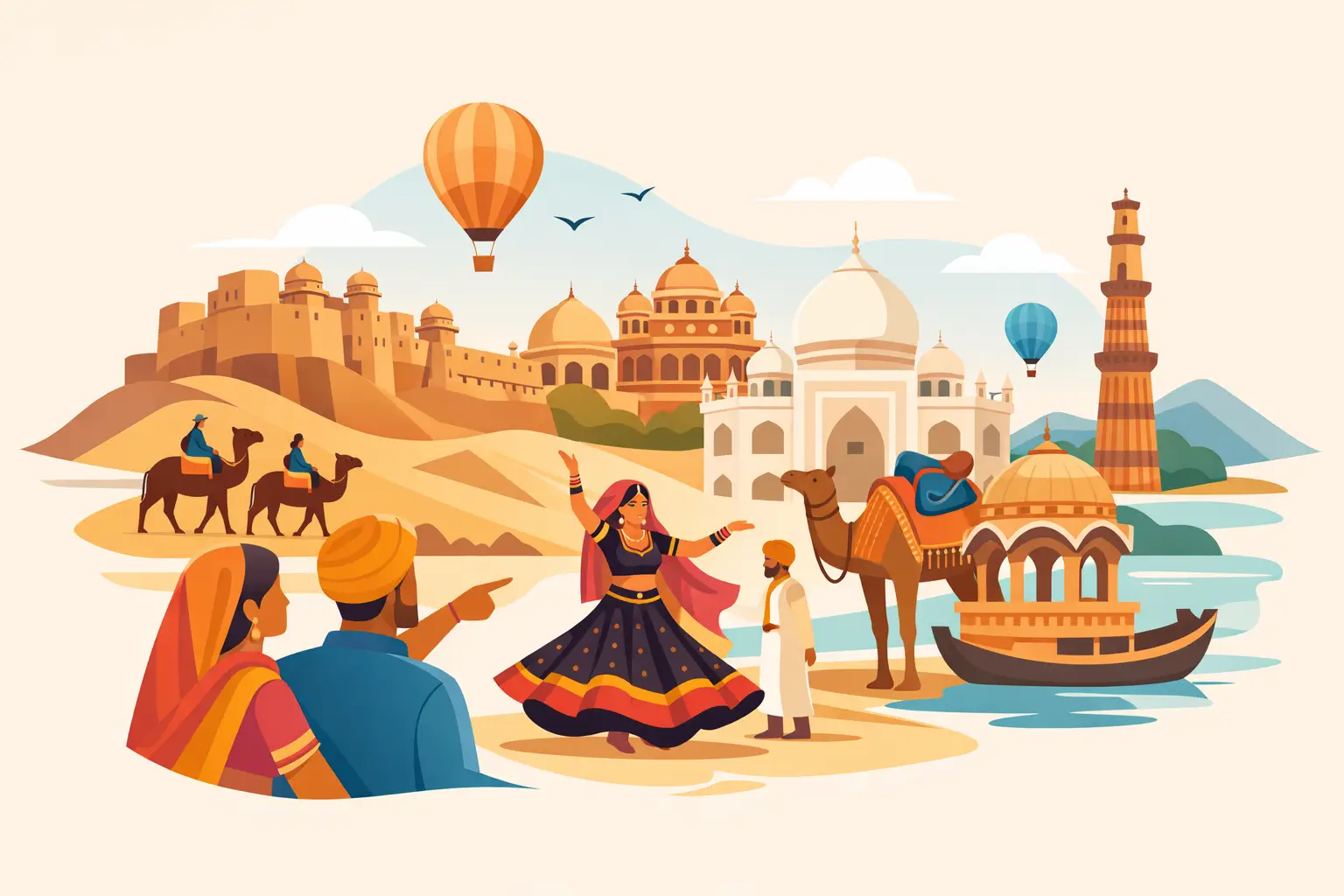
Rajasthan is not a destination to rush between photographs. A well-paced Rajasthan cultural tour package gives you time to hear temple bells in Udaipur, watch artisans at work in Jaipur, walk through living forts, and share a meal shaped by the region’s desert climate and royal history. The best journeys balance its celebrated palaces with the everyday encounters that make the state feel real.
For travellers who value culture, landscapes and thoughtful organisation, Rajasthan offers a rewarding contrast to a Himalayan trek. The physical challenge may be gentler, but the days are full: early starts for market walks, long drives across changing terrain, stairways in ancient forts, and evenings that invite you to slow down.
What makes Rajasthan culturally distinctive?
Rajasthan’s identity is shaped by Rajput kingdoms, trade routes and the demands of the Thar Desert. Its great cities each have a recognisable character, yet the most memorable trips reveal the links between them: warrior dynasties, sacred lakes, finely carved havelis, colourful textiles, folk music and food designed to endure a dry climate.
Jaipur, the capital, brings together planned streets, bustling bazaars and monumental architecture. The Amber Fort is a powerful introduction to the scale of Rajput rule, while the City Palace and Jantar Mantar show a different side of courtly life – art, astronomy and administration. Allow time beyond the headline sights. A guide can help explain the symbolism in a palace mural or the craft behind block-printed fabric, turning a beautiful building into a meaningful story.
Udaipur feels softer and more romantic, framed by lakes and the Aravalli Hills. Its palaces and temples are best appreciated at an unhurried pace, particularly in the cooler light of morning or late afternoon. Jodhpur, by contrast, rises in shades of blue beneath the formidable Mehrangarh Fort. From its ramparts, the city’s close-packed houses and surrounding desert make clear why such strongholds mattered.
Further west, Jaisalmer has a golden sandstone character unlike anywhere else in the state. Its fort remains a living urban space rather than a silent monument. That vitality is compelling, although it also calls for considerate travel: use water carefully, respect residents’ privacy, and choose accommodation and activities that support responsible local businesses.
Building a Rajasthan cultural tour package that flows
Rajasthan is larger than it first appears on a map. Trying to cover Jaipur, Bikaner, Jaisalmer, Jodhpur, Udaipur, Pushkar, Ranthambore and several rural villages in one week often creates more windscreen time than cultural immersion. A strong itinerary chooses a clear route and leaves room for discovery.
For a first journey of around eight to ten days, Jaipur, Jodhpur and Udaipur create an excellent cultural backbone. Add Jaisalmer when you have 11 to 14 days and are comfortable with longer road journeys. Pushkar can work well between Jaipur and Udaipur, especially for travellers interested in pilgrimage traditions and smaller-town atmosphere. Ranthambore is a worthwhile addition for wildlife, but it changes the pace and should not be treated as a quick stop merely to tick off a tiger safari.
Let travel days breathe
Private road transfers are often the most practical way to travel between Rajasthan’s cities. They allow pauses at stepwells, temples and village workshops that trains and domestic flights can make difficult. Yet a private vehicle does not make a six-hour drive short. Build in a relaxed arrival afternoon, and avoid scheduling a major fort visit immediately after a long transfer.
The right accommodation also affects the experience. Heritage hotels can add atmosphere, particularly when they occupy sensitively restored havelis or former residences. However, not every night needs to be spent in a grand property. A comfortable smaller hotel, a carefully selected rural stay or a desert camp can bring welcome variety. Service standards, location, heating in winter and access for those with limited mobility should all be checked in advance.
Choose experiences with context
A cultural holiday becomes richer when activities are not simply performances arranged for visitors. A cooking session that explains local ingredients, a walk with a resident guide, a visit to a craft cooperative, or an evening of folk music with clear background on the tradition can offer genuine connection.
It is equally reasonable to enjoy Rajasthan’s theatrical side – the turbaned musicians, puppet shows and colourful dance traditions are part of its appeal. The difference lies in how the experience is presented. A thoughtful guide can distinguish between a living community custom, a classical art form and entertainment created primarily for tourism, without diminishing any of them.
Forts, food and faith: planning respectfully
Rajasthan’s cultural sites are not all museums. Temples and shrines remain active places of worship, while forts may contain homes, shops and family temples. Dress modestly when visiting religious spaces, remove shoes where requested, and ask before photographing people, ceremonies or craftspeople. In some places, photography is restricted or requires a fee; following local guidance is part of travelling well.
Food deserves proper space in the itinerary. Rajasthan’s cuisine is far more than a single thali. Dal baati churma is a classic hearty meal, while ker sangri uses desert beans and berries in a distinctive savoury preparation. Laal maas offers a richly spiced meat dish for those who eat it, and vegetarian travellers will find considerable variety. As spice levels can vary, speak openly with your guide or host about your preference rather than assuming a dish will be mild.
Markets are another highlight, especially for textiles, jewellery, leatherwork and blue pottery. Bargaining is common in many bazaars, but it works best as a friendly exchange, not a contest. Buying directly from makers where possible, understanding the materials involved, and paying fairly for skilled work make a more positive difference than negotiating every last rupee.
When is the best time to travel?
October to March is generally the most comfortable period for a Rajasthan cultural journey. Days are usually pleasant for sightseeing, while evenings can be surprisingly cool, especially from December to January. Pack layers for early mornings, open vehicle safaris and rooftop dinners.
April to June brings intense heat. It can suit travellers seeking fewer crowds and lower accommodation rates, but sightseeing requires an adjusted rhythm: early starts, a longer midday rest and realistic expectations about time outdoors. The monsoon, generally from July to September, does not transform Rajasthan into a wet destination every day, but rain can be irregular and humidity rises. Udaipur and the Aravalli region can look especially appealing then, while some desert activities are less predictable.
Festival dates require particular care. Holi, Diwali, the Pushkar Fair and the Jaisalmer Desert Festival can be exhilarating, but they also mean higher demand, altered traffic conditions and crowded sites. For some travellers, the atmosphere is the point. For others, a quieter week before or after an event allows for deeper conversations and more flexible sightseeing.
Who benefits from a guided cultural journey?
Independent travellers can certainly book hotels and transport themselves. But Rajasthan rewards local knowledge, particularly when time is limited or when a group includes different interests and energy levels. A reliable local guide helps connect the dots between sites, manages changing opening times and offers practical advice that a guidebook cannot provide.
For families, school groups and friends travelling together, the value is often in the coordination: sensible driving distances, suitable meal stops, vetted accommodation, clear meeting arrangements and a guide who knows when to adjust the day. For solo travellers, a private or small-group arrangement can bring reassurance without removing independence.
Brothers Team approaches cultural travel in the same spirit as its more demanding mountain journeys: careful planning before departure, experienced people on the ground and enough flexibility for the trip to feel personal rather than processed.
A few practical details worth settling early
Check visa requirements well before departure and ensure your passport has sufficient validity. International visitors should also confirm which arrival airport best suits their route, as Jaipur, Delhi and Udaipur can each make sense depending on the itinerary. Domestic flights may save time on selected sectors, but road travel remains essential for much of Rajasthan.
Pack light, breathable clothing, a modest layer for religious sites, comfortable closed shoes and sun protection. A reusable water bottle is useful, but drink only treated or bottled water. Carry hand sanitiser, and keep a small day bag for essentials during fort visits and market walks. Travel insurance should cover medical care, cancellations and any optional activities you plan to join.
Most importantly, leave room in the schedule for the unexpected: an invitation for chai, a quieter side street in the blue city, a craftsman willing to explain his work, or a sunset that holds you longer than planned. Rajasthan gives its richest stories to travellers who arrive curious, prepared and willing to linger.




Comments are closed