



School Trip Reviews: What Parents Should Look For
A school trip can become the story pupils tell for years: their first view of the Himalayas, a morning spent learning from a local community, or the quiet pride of completing a demanding walk together. That is why school trip reviews deserve more than a quick glance at a star rating. For teachers, group leaders and parents, the details behind the praise often reveal whether an operator can turn an ambitious itinerary into a well-supported, meaningful journey.
What school trip reviews can really tell you
The most useful reviews do not simply say that a trip was enjoyable. They describe what happened when the journey became complicated: a delayed flight, a student feeling unwell, a change in weather, or a group needing a slower pace. Educational travel, particularly in mountain regions and across several destinations, depends on careful judgement as much as exciting activities.
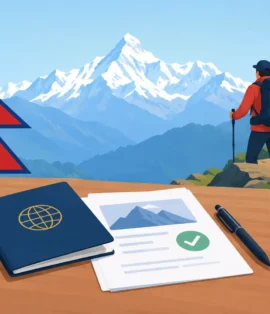
Look for comments that mention planning before departure, not only the experience on the ground. Were teachers given clear joining information? Did the operator explain kit requirements, cultural expectations, travel documents and fitness needs in language that families could understand? A good programme begins long before the group reaches the airport.
Reviews can also show whether the itinerary felt genuinely suitable for its age group. A cultural visit is more valuable when pupils understand its context, and a trek is more rewarding when the daily distances allow time to notice the landscape, ask questions and recover properly. Enthusiasm matters, but realistic pacing matters just as much.
Read for specifics, not superlatives
Words such as excellent, unforgettable and brilliant are encouraging, yet they are difficult to assess on their own. Specific details carry more weight. A review that praises a guide for adapting an explanation for younger pupils, checking in with quieter members of the group, or making a long coach journey engaging gives a clearer picture of the service provided.
The same applies to accommodation and meals. School groups do not need luxury, but they do need clean, dependable places to rest, food that is managed thoughtfully for varied dietary requirements, and clear routines around rooming and supervision. Feedback that explains how these practicalities were handled is more useful than a glossy description.
Pay attention, too, to who has written the review. A parent may be best placed to comment on communication and reassurance before departure. A teacher can usually speak to safeguarding, educational value and group management. Pupils often offer the most honest view of whether the activities felt inspiring rather than simply tiring. Taken together, these perspectives are far more valuable than one glowing comment.
School trip reviews and safety in active destinations
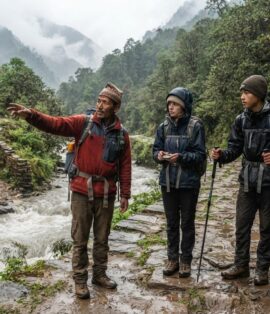
Safety should be visible in reviews, but it may not always appear in dramatic language. In fact, the strongest feedback often describes calm preparation: experienced guides, sensible briefings, reliable transport, regular headcounts and a team that knew the route and local conditions well.
For school travel in Nepal, Bhutan, India or other varied Asian destinations, local knowledge makes a practical difference. Road conditions, weather patterns, altitude, domestic flight schedules and cultural protocols can all affect a day’s plan. An operator should not promise that every detail will remain fixed regardless of conditions. Instead, reviews should suggest that changes were communicated promptly and managed with care.
High-altitude travel needs particular attention. A school group does not have to be attempting an expedition for altitude to matter. Even a moderate itinerary can require gradual ascent, hydration reminders, rest time and staff who recognise when a pupil should stop, descend or receive further assessment. Look for feedback that refers to appropriate acclimatisation rather than speed or toughness. Reaching a viewpoint is never more important than bringing every student home well.
It is also sensible to distinguish between a friendly guide and a properly supported operation. Warmth is essential, especially when young people are away from home, but it should sit alongside established procedures, suitable staff-to-student ratios, emergency planning and dependable local coordination. School trip reviews can point towards that balance, but they should support, not replace, your own safeguarding and risk-assessment process.
Signs of an educational trip, not just a busy itinerary
A packed timetable can look impressive on paper. Yet pupils often remember the moments when they were given time to engage: speaking with a local guide, learning why a monastery is significant, trying a traditional craft, or reflecting on how people live in a different environment.
When reading reviews, consider whether students were active participants. Did they learn skills, gain confidence, practise teamwork or return with new questions about history, geography, conservation or culture? The best educational journeys connect activities to a wider purpose without making every moment feel like a lesson.
This is where an operator’s destination experience matters. A locally based team can often suggest experiences that go beyond the standard photo stop, while still respecting school schedules and group needs. It may be a community-led activity, a carefully chosen heritage site, or a short hike planned at the right point in the journey. For Brothers Team, this approach comes from long-standing Himalayan operations and direct coordination on the ground, rather than relying only on an itinerary written from afar.
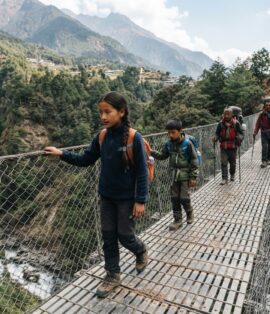
That said, the right level of adventure depends on the group. A sixth-form college group may welcome a multi-day trek with early starts and basic mountain lodges. A younger group may gain more from shorter walks, accessible cultural activities and comfortable overnight stops. Reviews from a group similar to yours are especially relevant, but ask whether the programme can be adjusted rather than assuming one successful trip suits every school.
Notice how problems were handled
No travel company can control rain, traffic, illness or airline disruption. What separates a dependable partner is the response. Reviews that mention a revised plan, extra support for a pupil, patient communication with teachers, or a guide finding an alternative activity can be more reassuring than reviews from trips where nothing went wrong.
Look for a pattern across several comments. Does the same theme appear repeatedly: thoughtful guides, responsive office staff, well-organised logistics, or care around dietary needs? Repeated specifics are usually a stronger signal than an isolated review. Equally, do not dismiss every critical comment. Consider whether it raises a relevant issue, how recent it is, and whether the concern relates to the kind of journey you are planning.
Questions to ask after reading reviews
Reviews should help you prepare better questions for the operator. Ask who will be with the group each day and what experience they have with young people. Clarify how the itinerary can change if weather, health or transport conditions require it. Discuss accommodation standards, food arrangements, transport, evening supervision and communication procedures for families back home.
For active programmes, ask how the route has been paced and what options exist for students who need to sit out part of an activity. For international journeys, establish who manages permits, local logistics and emergency support. Clear, direct answers are a good sign. Vague reassurance is not enough when a school is entrusting an operator with pupils and staff in an unfamiliar destination.
It is worth asking for references from comparable schools or colleges where appropriate. An operator who understands educational groups should be comfortable discussing the realities of travel, including what pupils may find challenging. Honest preparation helps teachers set expectations and helps parents give informed consent.
Make room for confidence and curiosity
The strongest school trips are not measured solely by how much ground a group covers. They are measured by the confidence a quiet pupil finds on a trail, the respect students show in a new culture, and the conversations that continue long after everyone is back in the classroom.
Use school trip reviews to find an operator whose care is evident in the small details as well as the big adventure. Then choose an itinerary with enough challenge to broaden horizons, enough structure to keep everyone supported, and enough space for young travellers to be genuinely curious.

Comments are closed