


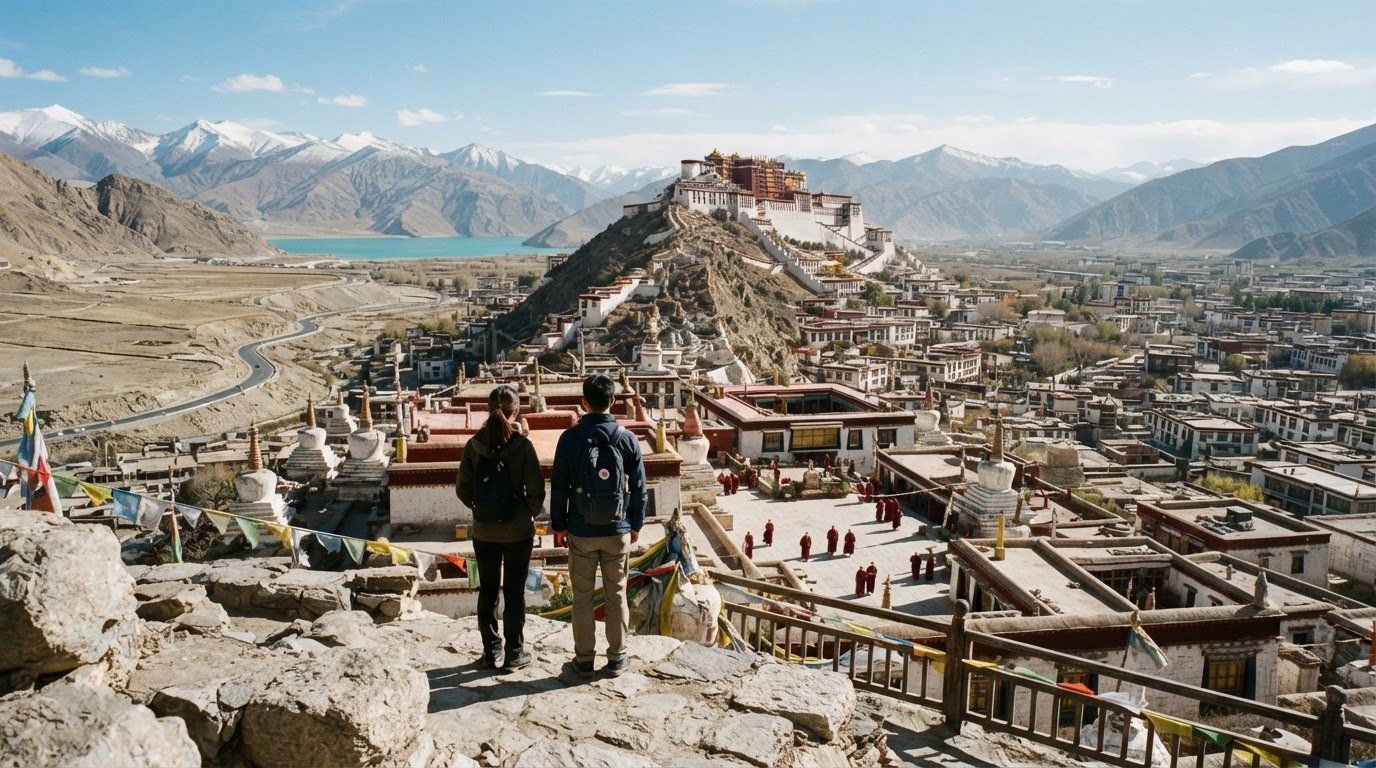
Lhasa Tibet cultural tour package routes and inclusions
The best Lhasa cultural route isn’t always the longest one. A Lhasa Tibet cultural tour package can focus on the classic city sights in 4 days, including Potala Palace, Jokhang Temple, Barkhor Street and Sera Monastery, or take 6-7 days to add Yamdrok Lake, Gyantse, Shigatse and Tashilhunpo Monastery. Whichever route you choose, knowing how to behave at sacred sites matters as much as knowing where to go.
It’s natural to wonder which Tibetan customs to respect and what might cause offence. A thoughtful visit means following local guidance, especially around religious spaces, photography and interactions with worshippers. Small acts of consideration help you experience the culture with curiosity, rather than treating it as a backdrop.
Explore which route suits your time, where to encounter Tibetan culture in Lhasa, and what to expect from the seasons and accommodation. We’ll also outline typical package inclusions, from transport and sightseeing to meals and guiding, so you can plan with a clearer picture of your journey.
Key Takeaways
- Choose a 4-day Lhasa itinerary for the city’s landmark temples and monasteries, or allow 6-7 days to add Central Tibet sights such as Yamdrok Lake and Shigatse.
- Plan time for respectful visits to sacred places and allow yourself to adjust to Lhasa’s high altitude before taking on a busy schedule.
- Use the season to shape your trip: April to October is a popular visiting window, while accommodation and meal arrangements can vary by package.
- Compare what’s covered in transport, guiding and sightseeing so you can see how each itinerary supports your travel plans.
Compare Lhasa Tour Packages: Which Route Fits You?
Choose a route by matching Lhasa’s sacred landmarks to your available time. A Lhasa Tibet cultural tour package can focus on the city or extend into Central Tibet to include lakes, monasteries and historic towns.
Temple and Palace Routes
A classic Lhasa route takes 4 days and links Potala Palace, Jokhang Temple, Barkhor Kora and Sera Monastery. At Barkhor, pilgrims circle Jokhang Temple on a spiritual walking route; follow the flow respectfully and avoid interrupting worshippers. Norbulingka offers a different perspective, with palace grounds contrasting with Potala’s commanding position above the ancient city. For families, compare the sightseeing pace, walking distances and ticket arrangements before choosing.
Private tours can offer more control over pace and stops, while group tours follow fixed itineraries and departure dates, with shared travel alongside international travellers. Choose the format that suits your preferred rhythm. A Lhasa Tibet cultural tour package with a group itinerary may suit travellers comfortable with set plans.
Check the travel-document requirements for your trip before departure, and confirm permit arrangements with your tour operator. Prepare the required travel documents before departure, as the permit is part of the entry arrangements.
Cultural Tour Duration
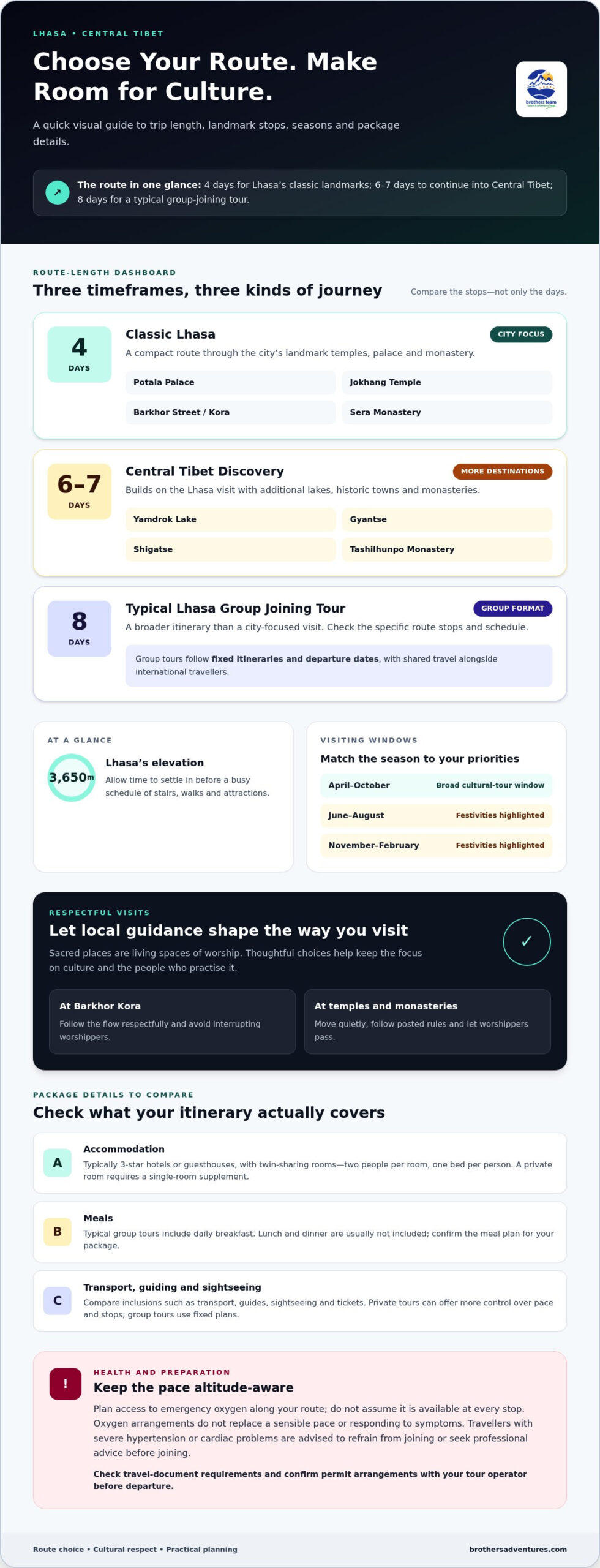
Allow 4 days for the classic Lhasa route covering Potala Palace, Jokhang Temple, Barkhor Street and Sera Monastery. A 6-7-day Central Tibet Discovery route adds Yamdrok Lake, Gyantse, Shigatse and Tashilhunpo Monastery. Typical Lhasa group joining tours last 8 days, offering a broader itinerary than a city-focused visit. Compare the route stops, not just the total days.
For Potala Palace tickets and family travel, look for sightseeing tickets in the package inclusions and consider how the daily schedule fits your group. A shorter city route focuses on Lhasa’s landmarks, while a longer itinerary adds travel between destinations. Weigh whether those extra stops are worth the additional travel time for your family.
Where are the best places to experience authentic Tibetan culture in Lhasa?
Lhasa sits at 3,650 metres, so plan cultural visits around altitude adjustment as well as sightseeing. Give yourself time to settle in before filling the day with stairs, walks and busy attractions. This measured start can make visits to Potala Palace and other central landmarks easier to manage.
For a closer look at Tibetan Buddhism, spend time at Jokhang Temple and observe how worshippers move through the surrounding streets. A visit to Sera Monastery can introduce you to another side of religious life. Move quietly, follow posted rules and let worshippers pass without interruption. These small choices keep the focus on living culture, not just architecture.
Independent travel gives you freedom to set your own pace between Lhasa’s cultural sites. It also means planning your transport, route and altitude-aware schedule. If you’re travelling onward to cities such as Shigatse, account for the demands of the journey instead of packing each day with stops. A trip that includes Chengdu may also involve a major change in elevation, so consider how each stage fits your comfort and plans.
Think through oxygen support before setting out, especially if travelling beyond the city. Make a clear plan for accessing emergency oxygen along your route; don’t assume it will be available at every attraction or stop. Oxygen arrangements should complement a sensible pace, not encourage you to ignore symptoms or continue when unwell.
Travellers with severe hypertension or cardiac problems are advised to refrain from joining or seek professional advice before joining. Keep this guidance in mind before arranging visits to high-altitude sites or adding remote scenery, such as a glacier, to your itinerary. A cultural journey works best when its pace suits your health and route.
Lhasa weather, seasons and accommodation
April to October is the best time for a cultural tour in Lhasa. June to August and November to February are also recommended for Tibetan cultural festivities, so match your travel season to the experiences you value.
Weather and Seasonal Timing
Let the season shape your pace and route, especially if your itinerary includes mountain scenery or travel toward Yamdrok Lake. April to October offers a broad visiting window for Lhasa’s cultural attractions, while June to August and November to February are highlighted for festivities. Before departure, check which experiences fall within your travel dates and pack layers for changing conditions between the city and higher destinations.
Accommodation and Included Meals
For a typical Lhasa group tour, expect twin-sharing accommodation and daily breakfast. Lunch and dinner are usually not included, so allow time to choose meals around visits to temples, markets and other cultural sites. This flexibility suits travellers who want to explore local food, but meal inclusions matter when comparing itineraries.
Read the itinerary’s meal plan alongside its sightseeing schedule. A day travelling toward Yamdrok Lake, for example, may offer different meal opportunities from a day spent among Lhasa’s central attractions. Confirm which meals the package includes before planning your day.
Hotel Accommodation
Hotels in described Lhasa group packages are typically 3-star properties or guesthouses. The usual arrangement is twin sharing, with two people per room and one bed per person. Travelling alone or wanting your own room? A private room requires a single-room supplement, so factor that into your accommodation choice when comparing packages.
Consider the hotel arrangement as part of the cultural experience, not just a place to sleep. Staying near central Lhasa can make visits to Tibetan Buddhist sites easier to organise, while the itinerary determines when you set out for mountain scenery. Accommodation standards and room arrangements can vary between packages, so compare the details provided.
Included transport, guides and sightseeing
From Singapore, arrange travel to Chengdu, then use the package’s round-trip air tickets between Chengdu and Lhasa. The described package includes the Tibet Entry Permit, tickets, hotels and tourist buses, along with airport and railway-station pickup.
Package Transport and Sightseeing
Review the itinerary to see how transport connects Lhasa’s Barkhor area, monasteries and other sightseeing stops. Tourist buses support the planned route, while pickup links your arrival point with the tour. If the itinerary goes beyond Lhasa, note the journey between destinations and how it fits your sightseeing time.
Transport arrangements can change during a group tour, including vehicle changes. Compare the listed stops with your priorities, especially if you hope to see landscapes beyond the city. Nyingchi is a separate destination, so don’t assume it’s part of a Lhasa itinerary. When comparing packages, check the Tibet Entry Permit and sightseeing tickets among the inclusions.
Included Guides
The described tour offers Chinese- and English-speaking guides. A guide can explain the history and religious context of places such as Jokhang Temple and a monastery, making the itinerary more meaningful than a series of photo stops. Consider which language suits your group and how guided visits fit the day’s schedule.
Group tours may involve changing guides as well as vehicles during the trip. This can shape how each part of the itinerary is led, particularly on journeys between cities or attractions. Consider whether a fixed group schedule and shared transport suit your travel style, then compare the sightseeing and guiding details together.
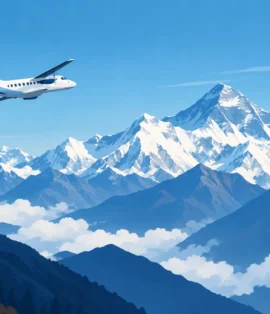
Altitude also matters when planning transfers and visits. Lhasa stands at 3,650 metres, so leave room to adjust before taking on a demanding sightseeing day. For another view of Himalayan landscapes, explore a mountain flight experience as a separate travel option.
Brothers International Tours & Trading Pte Ltd: 8Days Nepal Adventure Tour
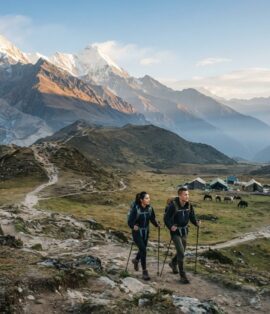
Brothers International Tours & Trading Pte Ltd offers the 8Days Nepal Adventure Tour for travellers considering another Himalayan journey after exploring Lhasa. It’s a separate Nepal itinerary, not a Lhasa route, and may suit you if you’re drawn to mountain scenery and adventure as well as Tibetan culture.
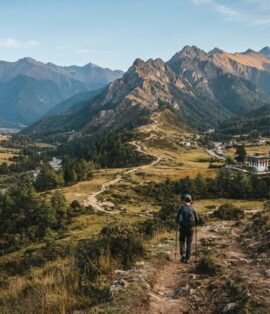
Prefer a gentler walking focus? The 8Days Scenic Nepal Mini Trek offers another Nepal travel option. For a more comfort-led trip, consider the 5Day Nepal Luxury Tour; the 10Days Wonder Of Pakistan broadens your choices beyond the Himalayas. Compare each itinerary’s style and destination with the kind of journey you want next.
Contact Brothers International Tours & Trading Pte Ltd to explore your next travel plans.
Plan the Himalayan Journey That Fits You
Before choosing a departure, decide how you want your days to feel: closely guided, independently paced, or shaped around time outdoors. Use those priorities to judge whether a Lhasa Tibet cultural tour package matches the experience you’re seeking. Leave room, too, for the unexpected moments that make a journey personal.
If your next adventure takes you beyond Tibet, Brothers International Tours & Trading Pte Ltd offers the 8Days Nepal Adventure Tour, the 8Days Scenic Nepal Mini Trek and the 5Day Nepal Luxury Tour. Each gives you a different direction for exploring the region, whether you’re drawn to adventure, walking or a luxury-focused trip.
Contact Brothers International Tours & Trading Pte Ltd to explore your next travel plans. Let your next journey begin with a destination that genuinely excites you.
Frequently Asked Questions
Are their any Tibetan taboos you should avoid?
Avoid treating active religious spaces as ordinary photo stops. At a monastery, keep your voice low, don’t interrupt people who are praying, and ask before photographing worshippers or religious objects. Follow signs and local staff instructions, and don’t touch items on altars. If you’re unsure about an action, pause and observe how visitors behave respectfully.
What can I see during the cultural tour?
You can experience Tibetan religious art, monastic life and historic architecture, not just city scenery. At Palcho Monastery in Gyantse, the complex is described as bringing together several religious sects and featuring one hundred thousand stupas. In Lhasa, look for opportunities to understand how worship and daily life meet around sacred sites and traditional neighbourhoods.
What is the best time to enjoy Tibetan cultural festivities?
Summer, from June to August, and winter, from November to February, are recommended periods for experiencing Tibetan cultural festivities. Choose dates based on the events and atmosphere you hope to encounter, then consider how the season fits your travel pace and route. Nyingchi’s peach blossom season is normally from March 15th to April 15th each year, offering a distinct seasonal experience.
What’s included?
A described Tibet group package includes the Tibet Entry Permit, sightseeing tickets, hotels and tourist buses. Accommodation is generally twin-sharing, with daily breakfast; lunch and dinner are usually not included. Treat inclusions as specific to the itinerary: compare the listed sights, transport and meal plan before deciding. Travel insurance, snacks, drinks, shopping and guide or driver tips are personal expenses in the described package.
Which Tibetan cities are a must-visit to cultural explorers?
Lhasa is a natural starting point, while Gyantse and Shigatse add cultural depth beyond the capital. On this route, Gyantse is known for Palcho Monastery, while Shigatse brings Tashilhunpo Monastery into the itinerary. Tsetang, in the Yarlung Valley, is another option for travellers interested in Tibet’s historic landscape. Choose destinations to suit your route and available time.
What cultural attractions are included in a Lhasa Tibet tour package?
A classic Lhasa cultural itinerary features Potala Palace, Jokhang Temple, Barkhor Street and Sera Monastery. Some longer routes extend beyond the city to places such as Gyantse and Shigatse, adding Palcho or Tashilhunpo Monastery. Check the itinerary’s named sightseeing stops to see which attractions are scheduled, rather than assuming every package covers the same sites.

Comments are closed