


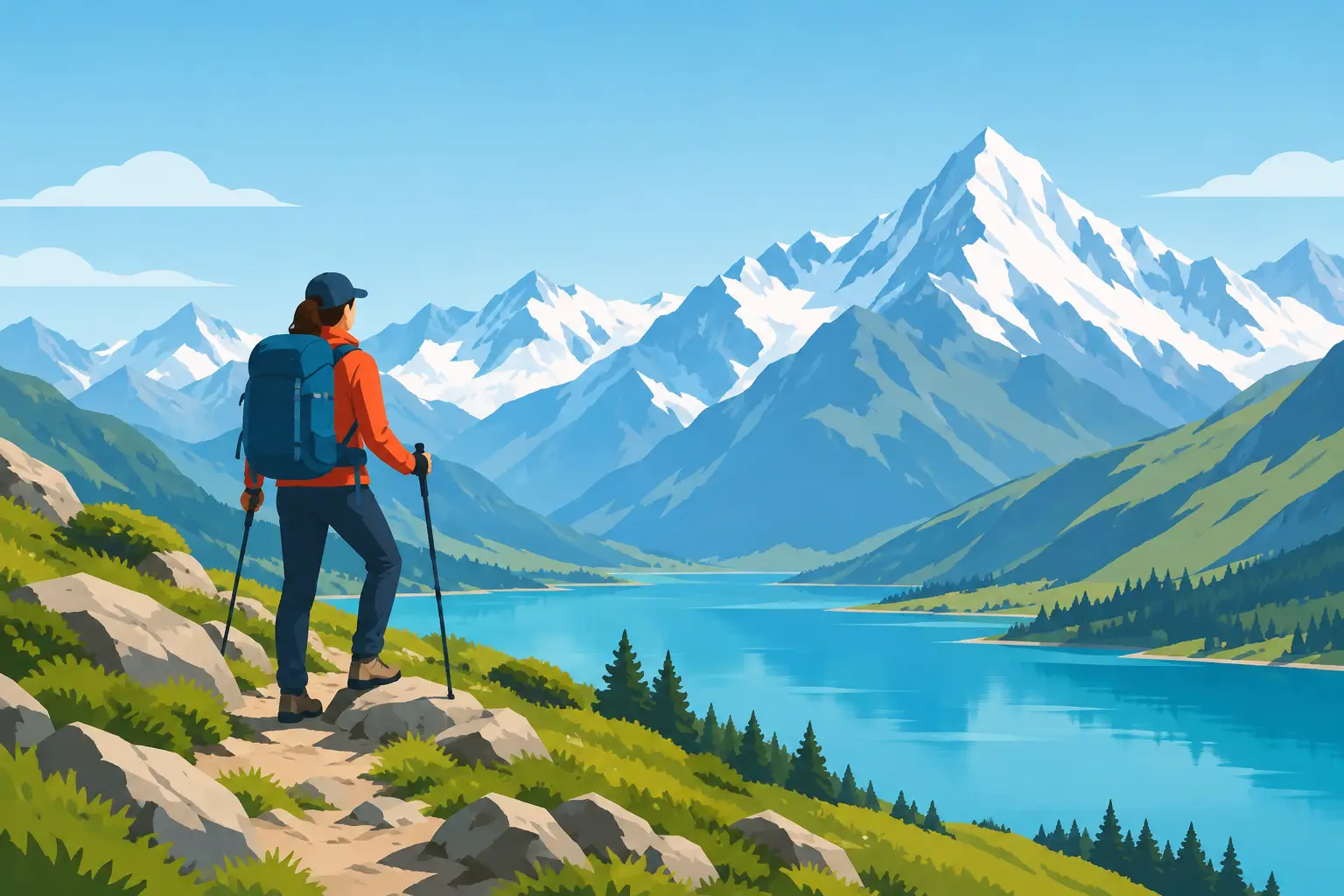
Kyrgyzstan Trekking Tours for Big Mountain Days
The first sight of the Tien Shan can reset your idea of a mountain holiday. Beyond Bishkek, the road opens into wide grasslands, deep-blue alpine lakes and horizons crowded with snow peaks. Kyrgyzstan trekking tours are for travellers who want the physical satisfaction of walking through serious mountain country, but also the warmth of yurts, home-cooked meals and conversations with families who spend summers on high pastures.
Kyrgyzstan is not a polished, overdeveloped trekking destination, and that is much of its appeal. Trails may be quieter than those in Nepal, facilities are more variable, and weather can alter a plan quickly. With sensible preparation and an experienced local team, those elements become part of an adventure that feels genuinely connected to landscape and culture.
Why choose Kyrgyzstan trekking tours?
Kyrgyzstan offers an extraordinary concentration of high mountain scenery. Much of the country is above 1,500 metres, while the Tien Shan range provides glacier-fed valleys, mountain passes, wild rivers and broad summer jailoos, or grazing pastures. A day on the trail can move from forest and flower-filled meadows to a high pass with views towards peaks above 5,000 metres.
The cultural experience is equally memorable. Nomadic traditions remain visible in everyday life, especially during summer when herding families move livestock to the highlands. Staying in a yurt camp is not simply a different type of accommodation. It is a chance to share tea, bread, dairy products and stories in an environment shaped by the seasons.
For travellers from Singapore, the contrast is immediate and refreshing: cool mountain air, long walking days and a scale of open space that is difficult to find elsewhere. Yet Kyrgyzstan also rewards those who have trekked in the Himalaya before. The terrain can be demanding, but the routes feel less crowded and more remote.
Choosing the right trek in Kyrgyzstan
The best route depends on your available time, previous altitude experience and the balance you want between daily challenge and cultural discovery. It is worth choosing by terrain and pace, rather than only by the most impressive photographs.
Ala-Kul Lake and Altyn Arashan
Near Karakol, the Ala-Kul Lake trek is one of Kyrgyzstan’s best-known short high-altitude adventures. The route climbs through valleys and conifer forest to a striking turquoise lake beneath rugged peaks. Crossing the Ala-Kul Pass, at around 3,860 metres, is the demanding centrepiece, followed by a descent towards the hot springs and yurt camps of Altyn Arashan.
This is a rewarding option for fit walkers with limited time, typically taking three to five days depending on the itinerary. The high pass requires a steady ascent, careful footing and confidence in variable weather. It should not be treated as an easy first trek simply because it is short.
Jyrgalan Valley
Jyrgalan, east of Karakol, suits travellers looking for quieter trails and a strong community-based feel. Rolling green valleys, grazing horses and distant snowy ridges make it ideal for moderate trekking, horse riding or a gentle introduction to multi-day travel in the Tien Shan.
Routes can be tailored from day walks to longer point-to-point journeys. This flexibility makes Jyrgalan particularly suitable for families, school groups and mixed-ability parties, provided the programme allows slower walkers enough time to enjoy the surroundings.
Song-Kul Lake
Song-Kul is about more than reaching a destination. At over 3,000 metres, this wide alpine lake is surrounded by summer pastures where yurt camps dot the shoreline. Treks in the area are often less steep than the Ala-Kul route, but altitude, wind and exposed conditions still need respect.
It is an excellent choice for those who want to combine walking with a closer view of pastoral life. Nights can be cold even in midsummer, and comfort levels in yurts are simple. In return, you may wake to horses moving across the grassland and a lake reflecting the first light on the surrounding hills.
The Ak-Suu Transverse and longer traverses
Experienced trekkers seeking a bigger objective can consider the Ak-Suu Transverse or other extended routes through the Karavshin and Terskey Ala-Too regions. These journeys involve consecutive high passes, remote camps and longer days on rough ground. They call for strong fitness, sound mountain judgement and reliable logistical support.
Longer traverses can be deeply satisfying, but they are not the right choice merely because they sound more adventurous. A well-paced eight-day trek with time to acclimatise and enjoy camp life often creates better memories than an overambitious itinerary spent racing between passes.
Altitude, weather and fitness: plan honestly
The main challenge of trekking in Kyrgyzstan is usually not technical climbing. It is the combination of altitude, changing weather, uneven trails and several consecutive days of walking. Many routes reach 3,000 metres or higher, and some passes are well above that level.
Altitude affects people differently, regardless of age or fitness. Headache, poor sleep, appetite loss and fatigue can be early signs that your body needs more time. A thoughtful itinerary includes gradual ascent, rest opportunities, realistic daily distances and guides who know when to slow the group down or change a plan. Pushing through symptoms is never a mark of strength.
Start preparing several months before departure if possible. Regular hill walking, stair sessions, cycling or running will build cardiovascular fitness. Add strength work for legs, core and balance, especially if you are unused to carrying a daypack on uneven paths. The goal is not to become an endurance athlete. It is to arrive able to enjoy the walking rather than merely endure it.
Weather is another reason to build flexibility into your plans. Summer days can be warm in the valleys and sharply cold at higher camps. Afternoon storms, rain, strong winds and occasional snow on passes are all possible. A spare day in a longer itinerary is not wasted time. It can protect safety and prevent a single weather delay from disrupting the whole journey.
When to trek in Kyrgyzstan
The main trekking season generally runs from June to September. July and August bring the most reliable access to high passes and the fullest yurt-camp season, although popular areas around Karakol may be busier. Wildflowers can be especially beautiful in June, while September often offers clear light, cooler temperatures and quieter trails.
Early season snow can remain on higher passes, and late September can bring cold nights or snowfall. The right dates therefore depend on your chosen route. A lake-and-yurt journey may work well in early summer, whereas a high traverse may need the more stable conditions of midseason.
What a well-supported trek looks like
A successful mountain holiday relies on details travellers should not have to chase while abroad. Transport from Bishkek to the trailhead, accommodation before and after the trek, permits where required, suitable food, baggage arrangements and clear briefings all shape the experience.
On the trail, a good guide does more than point out the path. They set a sustainable pace, read weather conditions, explain local customs and keep an eye on how each person is coping. In remote valleys, local knowledge matters. A guide may know which river crossing becomes unsafe after rain, where to find the best camp in strong wind, or how to adjust the route without losing the spirit of the journey.
Brothers Team brings the same careful approach used on Himalayan journeys to Central Asian adventures: practical planning, experienced destination support and space for travellers to enjoy the mountains with confidence. For private groups, routes can be adjusted around fitness levels, school objectives, cultural interests and the amount of camping comfort required.
Packing for mountain comfort, not just photographs
Layering is the simplest rule. Bring a warm mid-layer, waterproof outer shell, insulated jacket, gloves and a warm hat, even for a summer departure. Sturdy, well-worn trekking boots are essential on rocky descents and wet ground. A reusable water bottle, sun protection, head torch and personal first-aid items should also be close at hand.
Avoid carrying unnecessary weight. On supported treks, larger bags can often be transported separately, leaving you with a daypack for water, waterproofs, snacks and extra layers. Ask in advance about sleeping arrangements, luggage limits and whether a sleeping bag is needed. These practical questions are small, but they make a significant difference after a long day uphill.
Kyrgyzstan rewards travellers who arrive curious, prepared and willing to let the mountains set the pace. Choose a route that gives you time to breathe, listen and look up. The finest moment may not be the high pass at all, but a quiet evening outside a yurt, with the Tien Shan turning gold as the day settles.


Comments are closed