


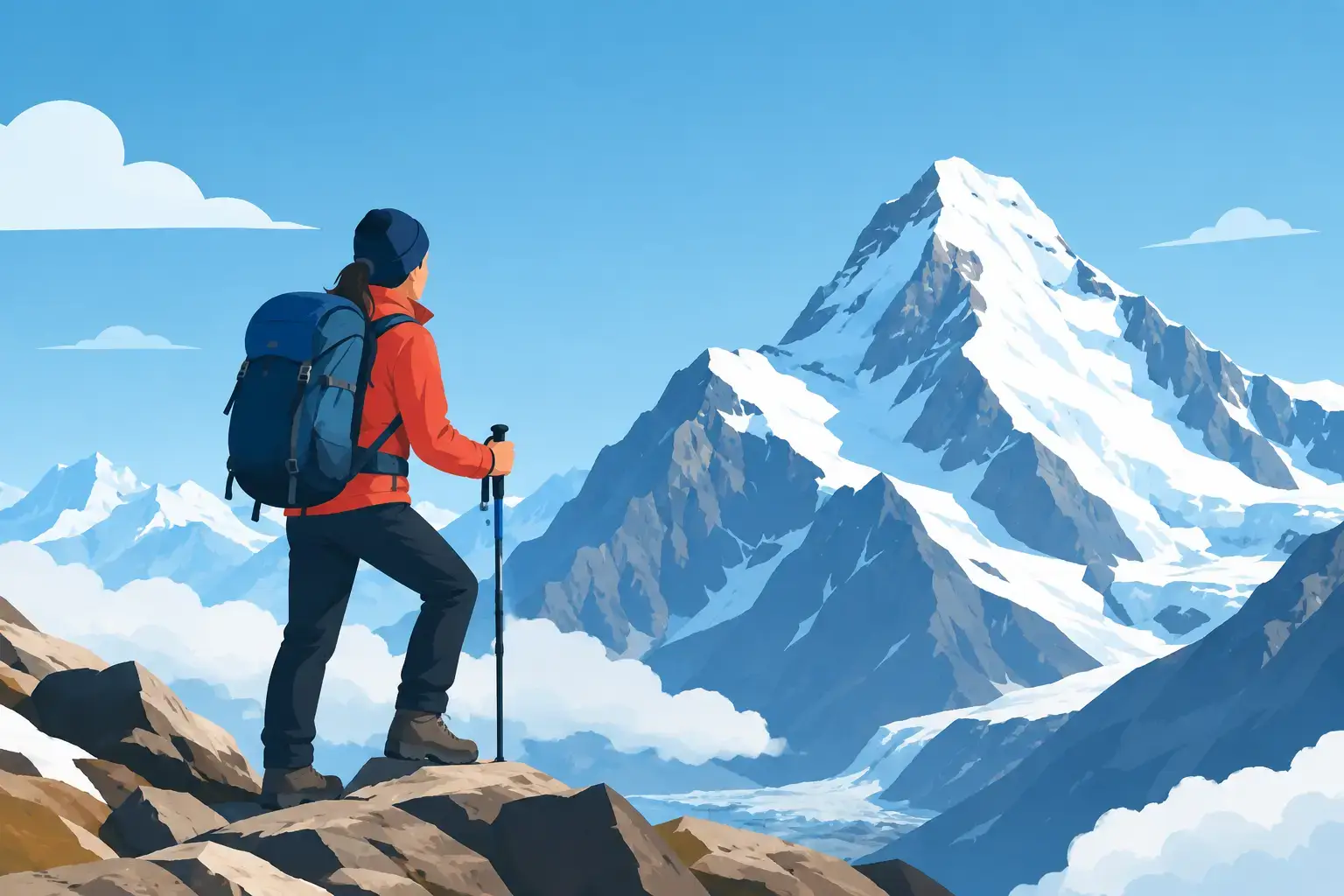
Can Beginners Summit Island Peak Safely?
Island Peak is often described as Nepal’s ideal first Himalayan climbing peak, but the label can be misleading. Can beginners summit Island Peak? Yes, some do – but only when “beginner” means new to mountaineering rather than unprepared for altitude, long trekking days and a demanding summit push.
At 6,189 metres, Island Peak, also known as Imja Tse, is a serious Himalayan objective. The reward is exceptional: a summit ridge above the Khumbu with close views towards Lhotse, Ama Dablam and the surrounding Everest region. Reaching it calls for steady preparation, sensible acclimatisation and a guide team that knows when to encourage a climber and when conditions say it is time to turn back.
Can beginners summit Island Peak with the right preparation?
A first-time climber can have a realistic chance on Island Peak if they arrive fit, have strong trekking stamina and are willing to learn basic mountaineering techniques. Previous technical climbing experience is helpful, but it is not always essential. More important is your ability to walk for several consecutive days at altitude, follow instructions carefully and stay composed when tired and cold.
There is an important distinction between a beginner climber and a beginner trekker. Someone who has completed multi-day hikes, perhaps Everest Base Camp, Gokyo Lakes, Kilimanjaro or alpine trekking routes, may be new to crampons yet well suited to Island Peak training. Someone whose only preparation is occasional weekend exercise will usually find the expedition too ambitious for a first high-altitude holiday.
The mountain is not difficult because of one dramatic technical section alone. It combines altitude, changing weather, pre-dawn starts, glacier travel and the cumulative fatigue of trekking into the Khumbu. On summit day, climbers may be moving for eight to 12 hours, depending on conditions, pace and the itinerary.
What makes Island Peak more challenging than a trek?
The approach follows the Everest region’s famous trails through Namche Bazaar, Tengboche, Dingboche and Chhukung. These are beautiful trekking days, with Sherpa villages, monasteries and increasingly dramatic mountain scenery. They are also part of the climb: each day at elevation places demands on your lungs, legs and recovery.
Above Island Peak Base Camp, the route becomes a mountaineering ascent. Climbers may cross rocky ground before stepping onto a glacier in crampons. Depending on seasonal conditions, there can be crevasses, and ladders may be used where necessary. The final headwall is climbed using fixed ropes with a harness, ascender and safety attachment, followed by a narrow summit ridge.
None of this means a novice cannot succeed. It does mean Island Peak should not be treated as an Everest Base Camp trek with a summit added at the end. Wind, snow conditions and individual altitude response can change the experience considerably. Even confident, well-trained climbers occasionally turn around short of the top, and that is sound mountain judgement, not failure.
Altitude is usually the biggest test
Technical skills can be taught and practised before the ascent. Altitude cannot be rushed. At over 6,000 metres, headaches, poor sleep, loss of appetite and unusual tiredness are common, while more serious altitude illness requires immediate attention.
A responsible itinerary builds in acclimatisation days and gains height progressively. It should also allow flexibility if somebody needs extra rest, a slower pace or descent. The strongest person at sea level is not automatically the strongest at Island Peak Base Camp. Hydration, pacing, nutrition, sleep and the willingness to report symptoms honestly all matter.
For this reason, climbers should avoid very short itineraries that offer little room for weather delays or acclimatisation. A few extra days in the mountains can make a meaningful difference to both safety and enjoyment.
Fitness needed for a first Island Peak climb
You do not need to be an elite athlete, but you should be able to sustain effort day after day. A useful benchmark is being comfortable walking for six to eight hours over uneven terrain with a daypack, then doing it again the following morning. Uphill endurance and recovery are more valuable than raw speed.
Start training at least three to five months before departure, preferably longer if you are starting from a low fitness base. Regular hill walking is excellent preparation. If hills are not accessible, stair sessions, incline treadmill walking and step-ups with a loaded pack can closely mimic the repetitive climbing needed in Nepal.
Build a weekly routine around cardiovascular endurance, leg strength and mobility. Squats, lunges, calf raises and core work help with stability on rocky trails, while longer walks teach your body to manage time on your feet. Add some sessions in wet or windy conditions rather than training only when everything feels comfortable. Mountain days rarely follow a perfect forecast.
The most useful preparation is specific. Running can build fitness, but it does not entirely prepare your feet, shoulders and hips for hours of walking with boots and a pack. Train in the footwear you intend to use and resolve any rubbing or blister problems well before travel.
Learn the climbing skills before summit day
A good Island Peak programme includes practical instruction at Base Camp or during an earlier training session. You should learn how to put on crampons correctly, walk securely on snow and ice, use an ice axe for balance, attach safely to fixed ropes and operate a jumar or ascender. Your guides will explain the exact system used on the mountain.
Still, learning these skills in Nepal should be reinforcement, not your first encounter with every piece of equipment. If possible, attend a winter skills or introductory mountaineering course at home. Indoor climbing can help with confidence around ropes and exposure, although it does not replicate glacier travel or high altitude.
Before you commit, be honest about how you respond to exposure. The final ridge can feel narrow, and climbers must move carefully while clipped into the rope system. A healthy respect for height is normal. Panic, or an inability to follow simple safety procedures when tired, is a reason to gain more experience first.
Essential preparation before leaving home
For a beginner aiming to climb Island Peak, four areas deserve attention:
- Build endurance for consecutive full days of uphill walking with a daypack.
- Practise in well-fitted trekking boots and test your clothing in cold, wet conditions.
- Learn basic crampon, harness, rope and ice-axe skills where possible.
- Choose an itinerary with proper acclimatisation, experienced guides and a realistic summit plan.
Technical equipment such as crampons, boots rated for the conditions, harnesses, helmets, ice axes and rope hardware is commonly arranged as part of a guided climbing service or available for hire in Kathmandu. What matters is that all equipment fits properly and that you understand how it works. Do not wait until the night before the summit attempt to discover that your gloves are too bulky for an ascender or your boots cause pain.
Choosing the right guided expedition
For a first Himalayan peak, your guide team is central to the experience. Look beyond the advertised summit percentage. A reliable operator should explain the route honestly, include acclimatisation in the itinerary, provide clear equipment guidance and maintain sensible guide-to-climber ratios on summit day.
Local knowledge matters when weather changes, flights to Lukla are delayed or a climber develops symptoms at altitude. The best support is often quiet and practical: a guide adjusting the pace, a lodge stop that protects recovery, a careful gear check at Base Camp, or a decision to descend before a minor problem becomes serious.
At Brothers Team, our Kathmandu-based teams plan Island Peak journeys around the realities of the Khumbu rather than a fixed timetable alone. We combine the climbing objective with thoughtful trekking progression, experienced local guidance and the personal attention that first-time Himalayan climbers value.
When should a beginner choose a different goal?
Island Peak may not be the right first objective if you have never completed a multi-day trek, have a medical condition that could be affected by altitude, or cannot dedicate time to preparation. There is no disadvantage in first experiencing the Everest region through Everest Base Camp, Gokyo Lakes or another high-altitude trek. These journeys build fitness, confidence and familiarity with how your body performs in the Himalaya.
It may also be wise to postpone if you are uncomfortable with the idea of using fixed ropes, crampons and a harness. A mountain holiday should stretch your limits, but it should not place you in a situation you are not ready to manage.
For the well-prepared beginner, however, Island Peak can be a remarkable first climb: part cultural journey, part high-altitude trek and part genuine mountaineering challenge. Train patiently, allow enough days for acclimatisation and choose support you trust. The summit is never guaranteed, but the journey to stand beneath these great Himalayan peaks is an achievement in its own right.




Comments are closed