


Experience the Himalayas: A Travel Guide from Singapore – Part 2
Adventure Activities Available
The Himalayas are one of the world’s greatest natural playgrounds. For travelers from Singapore, this region offers everything from beginner-friendly treks to adrenaline-pumping expeditions.
1. Trekking
Trekking is the most popular Himalayan adventure. Trails range from short scenic hikes to multi-week expeditions.
• Nepal: Everest Base Camp (12–14 days), Annapurna Circuit (10–15 days), Langtang Valley (7–10 days).
• Bhutan: Druk Path Trek (5 days), Snowman Trek (25 days, one of the world’s toughest).
• India: Markha Valley (Ladakh), Valley of Flowers (Uttarakhand).
• Tibet: Mount Kailash Kora (3 days, sacred pilgrimage).
Tip for Singapore trekkers: Train with stair climbs and cardio at least 2–3 months in advance. Altitude can be challenging if you’re used to sea-level living.
2. Mountaineering
For seasoned climbers, the Himalayas are the ultimate test.
• Nepal: Peaks like Island Peak (6,189m) and Mera Peak (6,476m) are popular among beginners. Everest expeditions are for experts only.
• India: Stok Kangri (6,153m, Ladakh), Kang Yatse II.
• Bhutan & Tibet: Limited due to strict permits, but possible via specialized agencies.
3. River Rafting
White-water rafting combines adventure with scenic river valleys.
• Nepal: Trishuli River (easy day trip), Sun Koshi (multi-day adventure).
• Bhutan: Pho Chhu and Mo Chhu rivers near Punakha.
• India: Rishikesh, the “rafting capital of India.”
4. Paragliding
Float above Himalayan landscapes for a bird’s-eye view.
• Nepal: Pokhara is world-famous for tandem paragliding with Annapurna views.
• India: Bir Billing, Himachal Pradesh (hosts international paragliding competitions).
• Bhutan: Limited but scenic options available.
Other popular adventures:
• Mountain biking (Ladakh, Mustang).
• Skiing & snowboarding (Gulmarg in India, Auli in Uttarakhand).
• Wildlife safaris (Chitwan in Nepal, Kaziranga near Himalayan foothills in India).
Health and Safety Tips
Traveling to the Himalayas is rewarding but requires preparation.
1. Altitude Sickness
• Symptoms: Headache, nausea, fatigue.
• Prevention: Ascend gradually, stay hydrated, avoid alcohol.
• Tip: Consider carrying Diamox (with doctor’s advice).
2. Food & Water Safety
• Drink boiled or filtered water—avoid tap water.
• Carry purification tablets or a portable filter.
• Stick to cooked foods; avoid raw salads in remote areas.
3. Medical Care
• Cities have hospitals, but remote areas rely on clinics.
• Major trekking routes in Nepal have altitude clinics.
• Always carry a basic first-aid kit (bandages, antiseptic, painkillers, personal medications).
4. General Safety
• Hire licensed guides and porters.
• Secure travel insurance with medical evacuation.
• Respect local customs to avoid misunderstandings.
• Carry copies of important documents (passport, permits).

Travel Insurance Considerations
A Himalayan trip is an investment. Proper insurance ensures peace of mind.
What to Look for:
• Adventure Coverage: Trekking, rafting, paragliding. Some policies exclude activities above 3,000m. Make sure coverage goes up to at least 5,000m for trekking in Nepal or Ladakh.
• Emergency Evacuation: Helicopter rescues in Nepal can cost USD 5,000+.
• Medical Treatment: Coverage for hospital stays in India, Nepal, or China.
• Travel Interruptions: Compensation for canceled flights due to bad weather (common in Lukla, Nepal).
• Baggage & Equipment: Useful if you’re carrying cameras, drones, or trekking gear.
Recommended Providers for Singapore Travelers:
• AIA Travel Guard, NTUC Income, AXA SmartTraveller, World Nomads (covers adventure sports).
Pro Tip: Always read the fine print. Many policies exclude “high-altitude trekking” unless you add it as an extra.
Best Time to Visit the Himalayas
The Himalayas cover vast terrain with diverse climates. Choosing the right season is essential.
• Spring (March–May):
o Best for trekking in Nepal and Bhutan (flowers in bloom, clear skies).
o Cultural highlights include Holi in India and Buddha Jayanti in Nepal.
• Summer (June–August):
o Monsoon brings heavy rains in Nepal, India, and Bhutan (not ideal for trekking).
o Great for Ladakh (India) and Tibet, which are dry and accessible in summer.
• Autumn (September–November):
o Peak season with perfect weather, crystal-clear mountain views, and vibrant festivals.
o Ideal for trekking and photography.
o Popular but crowded—book packages early.
• Winter (December–February):
o Cold, especially at high altitudes.
o Great for snow activities in Gulmarg (India) or off-season discounts in Nepal.
o Less crowded, perfect for cultural immersion.
Sustainable Travel Practices
The Himalayas are fragile ecosystems. Responsible tourism ensures future generations can enjoy their beauty.
Eco-Friendly Tips:
• Carry reusable bottles & bags to reduce plastic waste.
• Stick to marked trails to prevent erosion.
• Support local businesses—buy handicrafts, hire local guides, stay in community lodges.
• Respect wildlife—do not disturb or feed animals.
• Minimize carbon footprint—choose eco-certified hotels and shared transport when possible.
Cultural Respect:
• Ask before photographing monks, locals, or rituals.
• Learn a few basic phrases (e.g., “Namaste” in Nepal, “Kuzuzangpo” in Bhutan).
• Dress modestly, especially at monasteries and temples.
By traveling responsibly, you become part of the solution—helping communities thrive while protecting Himalayan heritage.
Packing Essentials for the Himalayas
Packing wisely makes your trip comfortable and safe. Weather and altitude vary, so prepare for layers.
Clothing:
• Base layers: Moisture-wicking tops & thermal wear.
• Mid layers: Fleece or light down jackets.
• Outer layers: Waterproof shell jacket & pants.
• Footwear: Sturdy trekking boots, sandals for evenings, extra socks.
• Accessories: Gloves, hats, buff/scarf, sunglasses (UV protection).
Gear:
• Daypack (20–30L).
• Sleeping bag (if trekking or camping).
• Headlamp with extra batteries.
• Trekking poles (optional but useful).
• Water bottles or hydration bladder.
Health & Personal Items:
• First-aid kit (bandages, meds, antiseptic).
• Sunscreen (SPF 50+).
• Lip balm with SPF.
• Hand sanitizer & wet wipes.
• Travel documents, permits, and copies.
Tech & Extras:
• Camera or smartphone with extra memory cards.
• Power bank (electricity is limited in remote areas).
• Travel adapter (plugs vary across countries).
• Notebook/journal to capture your experiences.
Packing Tip: Use packing cubes for organization and keep essential items in your carry-on in case of baggage delays.
Photography Tips for the Himalayas
The Himalayas are among the most photogenic regions in the world. From snow-capped peaks to colorful prayer flags, every corner offers a picture-perfect moment.
1. Best Photography Locations
Nepal:
o Poon Hill (sunrise over Annapurna).
o Gokyo Ri (panoramic Everest views).
o Pokhara Lakeside with Machapuchare in the backdrop.
Bhutan:
o Tiger’s Nest Monastery.
o Punakha Dzong during spring (jacaranda blooms).
India:
o Pangong Lake in Ladakh.
o Valley of Flowers, Uttarakhand.
Tibet:
o Yamdrok Lake.
o Mount Kailash pilgrimage trail.
2. Practical Photography Tips
• Golden Hour: Shoot during sunrise or sunset for the best light.
• Stability: Carry a lightweight tripod for landscapes and night shots.
• Lenses: A wide-angle lens for mountains, a zoom lens for wildlife.
• Drone Use: Popular in Nepal and India, but heavily restricted in Bhutan and Tibet—always check local laws.
• Battery Care: Cold weather drains batteries fast—keep spares close to your body.
3. Ethical Photography
• Ask before photographing people, especially monks, women, or elderly locals.
• Avoid using flash inside monasteries and temples.
• Share photos with locals when possible—it builds goodwill.
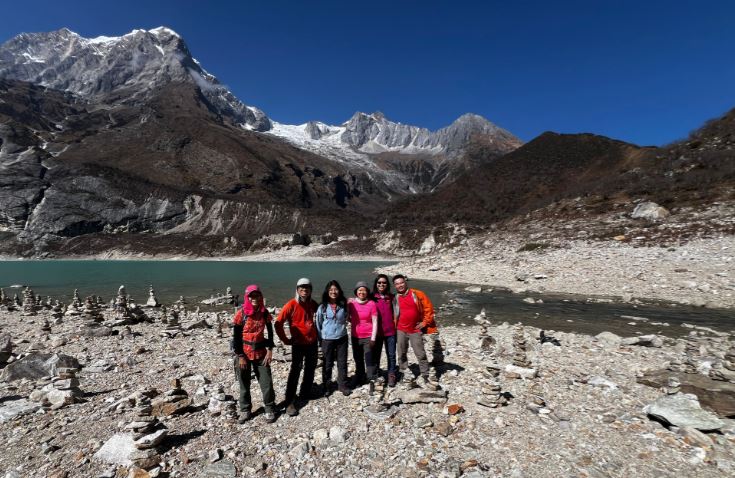
Travel Stories and Testimonials
Case 1 – A Lifetime Adventure in Nepal
“Lifetime Adventure — EBC via Gokyo & Cho-La Pass, I embarked on the Everest Base Camp trek via the stunning Gokyo Lakes and challenging Cho-La Pass from 13 to 30 April 2025, and it was truly the experience of a lifetime. The scenery was absolutely breathtaking—from the turquoise blue of the Gokyo Lakes to the dramatic views atop Cho-La Pass and the majestic Khumbu Glacier. Every day offered a new sense of awe.”
Case 2 – Wonderful Bhutan Nepal Trip
“Thank you Brothers International tours for arranging our Wonderful trip. It’s really Remarkable and Unforgettable Trip.”
Case 3 – Kashmir – Ladakh
“India was one of the last places which I thought I will ever visit in my lifetime. I am so glad that I went ahead to join the tour organised and led by Ganga from Brothers Int’l.
Throughout the tour, Ganga has been patient, showing care and professionalism and making sure that everyone is taken care off.”
👉 Testimonials show how Himalayan trips can be tailored—adventurous, cultural, spiritual, or luxurious.
View all Clients review
On Website
Google Review
TripAdvisor Review
Frequently Asked Questions
Here are some common questions from Singapore travelers:
Q1. How long is the flight from Singapore to the Himalayas?
• To Nepal (Kathmandu): ~5 hours direct.
• To Bhutan (Paro): ~6–8 hours (via Bangkok).
• To India (Delhi/Bagdogra/Leh): ~5–8 hours (with stopovers).
• To Tibet (Lhasa): ~8–10 hours (via Chengdu).
Q2. Do I need a visa?
• Nepal: Visa on arrival for Singaporeans.
• Bhutan: Visa included in tour packages.
• India: e-Visa available online.
• Tibet: Special Tibet Travel Permit (handled by tour agency).
Q3. Is the Himalayas safe for solo travelers?
Yes, but guided tours are recommended, especially for trekking or visiting restricted areas.
Q4. Can kids or elderly people travel?
Yes! Opt for cultural or family-friendly packages with lower altitudes.
Q5. What’s the best season?
• Spring (March–May): Clear skies, rhododendrons in bloom.
• Autumn (September–November): Crisp weather, excellent trekking.
Q6. How much does a Himalayan trip cost from Singapore?
• Budget: SGD 1,500–2,500 (7–10 days, basic hotels, group tours).
• Mid-range: SGD 3,000–5,000 (private tours, better accommodation).
• Luxury: SGD 6,000+ (customized itineraries, boutique stays).
Resources for Further Information
Tourism Boards:
o Nepal Tourism Board: welcomenepal.com
Bhutan Tourism: bhutan.travel
Incredible India: incredibleindia.org
Tibet Travel: tibettravel.org
Books:
• Into Thin Air by Jon Krakauer (Everest).
• Beyond the Sky and the Earth by Jamie Zeppa (Bhutan).
Singapore-Based Travel Agencies:
• Chan Brothers, WTS Travel, and smaller Himalayan specialists.
Travel Forums & Guides:
• Lonely Planet Thorn Tree, TripAdvisor forums, Reddit r/travel.
Conclusion
The Himalayas are not just a travel destination—they are a life experience. From towering peaks and sacred monasteries to warm hospitality and thrilling adventures, this region offers something for every type of traveler.
For Singaporeans, the journey is closer than you think. Within a few hours’ flight, you can swap the city skyline for mountain horizons, and your daily routine for once-in-a-lifetime memories.
Whether you seek adventure, culture, wellness, family bonding, or luxury, the Himalayas deliver in abundance. By planning wisely, traveling responsibly, and embracing the journey with an open heart, you’ll return not just with photos—but with stories, friendships, and perspectives that last a lifetime.
Please read part 1 of this post.
Best Travel Packages from Singapore to Experience the Himalayas


Comments are closed