


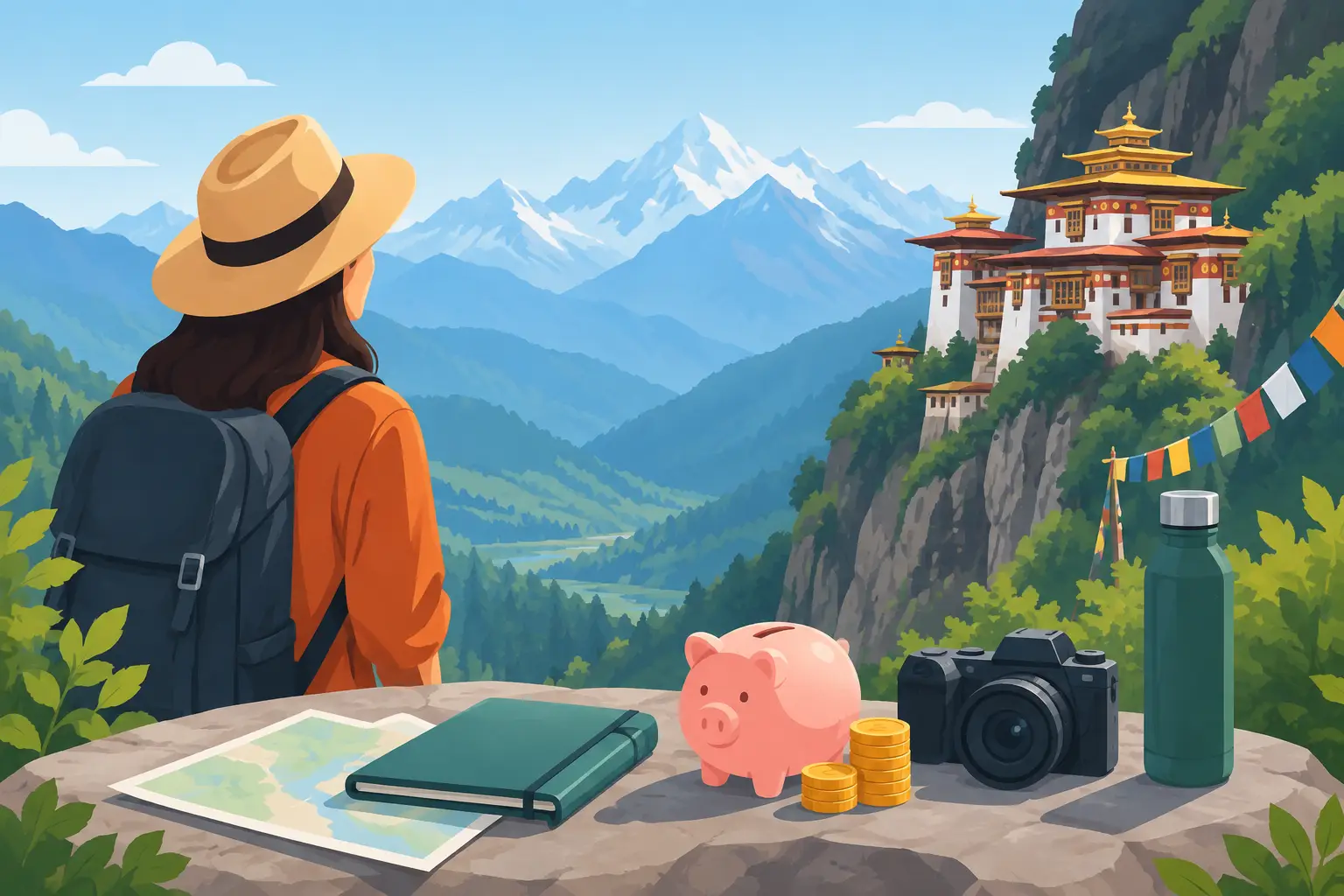
Are Bhutan Tours Expensive? A Clear Cost Guide
A Bhutan journey can cost more than a simple city break in South-East Asia, but it is not expensive by accident. If you are asking, are Bhutan tours expensive, the honest answer is yes, compared with travelling independently through many neighbouring countries. Yet the headline price includes a visitor levy and a carefully managed travel experience in one of the Himalaya’s most distinctive destinations.
For travellers who value mountain scenery, Buddhist culture, uncrowded roads and thoughtful guiding, Bhutan can offer very good value. The key is to understand which costs are fixed by the country’s tourism policy, what a tour actually covers, and where a cheaper-looking itinerary may leave important expenses out.
Why Bhutan holidays have a higher starting price
Bhutan follows a high-value, low-volume approach to tourism. Rather than encouraging mass visitor numbers, it seeks to protect its environment, culture and community life while welcoming guests who travel respectfully. The Sustainable Development Fee, commonly called the SDF, is central to that approach.
For most international visitors, the SDF is charged per person, per night spent in Bhutan. At the time of planning, the standard fee is generally USD 100 per adult per night, although policies, concessions and rates can change. Children and travellers from certain regional markets may have different arrangements. Your tour operator should always confirm the current rule before you commit.
That fee alone makes Bhutan appear costly beside Nepal, India or Thailand. But it is not a hotel surcharge paid to a resort. It contributes towards conservation, public services and the preservation of a country where traditional architecture, forested valleys and sacred sites remain part of everyday life.
Bhutan also requires international visitors to arrange their trip through an authorised Bhutanese tour operator or partner. This means that transport, accommodation, guiding and the visa process are normally organised in advance. There is less scope for arriving with a backpack and making every decision day by day, but there is also far less logistical uncertainty.
What does the price of a Bhutan tour usually include?
A properly costed Bhutan programme often covers airport transfers, a private vehicle and driver, an English-speaking guide, accommodation, meals stated in the itinerary, sightseeing, entry fees, permits, visa processing support and the required SDF. The exact inclusions vary, especially between standard, boutique and luxury journeys, so it is worth reading the quotation line by line.
The most common surprise for first-time visitors is that Bhutan is not designed as a self-drive or independent-budget destination. A guide and vehicle are not optional extras in the way they may be elsewhere. On a well-planned itinerary, though, they become part of the experience: your guide can explain a festival ritual, point out a trail through blue pine forest, help you order local dishes, and adjust the day when weather or road conditions change.
International flights are usually separate. Travellers from Singapore often need to factor in flights via a regional hub, while flight availability and fares can vary markedly by season. Personal spending, drinks, gratuities, travel insurance and any premium hotel upgrades may also sit outside the base package.
Are Bhutan tours expensive for different travel styles?
The answer depends less on whether you visit Bhutan and more on how you choose to experience it. A short cultural route through Paro, Thimphu and Punakha can be a sensible first introduction, particularly for travellers with limited annual leave. A longer journey into the east, or a trekking programme with camp staff, horses, specialist equipment and additional acclimatisation days, will naturally cost more.
Cultural touring and comfortable hotels
For a typical cultural holiday, the SDF is often the largest fixed element. Accommodation can range from clean, locally run three-star hotels to characterful heritage stays and high-end mountain lodges. Choosing comfortable mid-range hotels, travelling with a companion or a small group, and focusing on a realistic route can keep the overall spend under control without making the trip feel rushed.
It is tempting to squeeze Paro, Thimphu, Punakha, Phobjikha and several remote valleys into a few days. In practice, that can create long driving days on winding mountain roads. A slightly longer itinerary may cost more in total, but it can offer better value because you have time to enjoy the places you came to see.
Treks and active Himalayan journeys
Bhutan trekking costs can rise faster than cultural touring because the logistics are more involved. Multi-day routes may require camping equipment, cooks, pack animals, trekking guides, permits and food transported into the mountains. Weather can also affect access and pacing.
This is not the destination for a bare-bones trek assembled at the last minute. The reward is a quieter Himalayan experience, from high pastureland and dzong views to trails with far fewer trekkers than the best-known routes in Nepal. For active travellers, the question is not only what the trek costs, but whether the support, safety planning and remote-setting experience justify it.
Private travel versus small groups
A private vehicle, guide and driver are shared by fewer people on a private trip, so the per-person price is higher for a solo traveller or couple. Joining a small group, or travelling with friends and family, can reduce that shared cost significantly.
Group travel should not mean a rigid coach holiday. A good specialist operator will still build in time for local walks, monastery visits, photography stops and individual interests. For school or college groups, having transport, meal planning, rooming arrangements and supervision organised in advance also makes budgeting more predictable.
The costs that deserve closer attention
When comparing quotations, look beyond the total. A cheaper price may exclude the SDF, visa fee, monument entry charges, airport transfers, meals or service charges. Once these are added, the apparent saving can disappear.
Ask whether the stated hotels are available for your dates, whether accommodation is on a twin-share basis, and whether a single supplement applies. Confirm the number of nights used for the SDF calculation. Check the meal plan too: in some remote areas, including meals is practical rather than restrictive because independent dining choices are limited.
You should also consider the value of flexibility. Bhutan’s mountain weather can change, and road journeys occasionally take longer than expected. An experienced local team can rearrange sightseeing, communicate with hotels and make sound decisions without leaving you to solve a problem from afar. This is difficult to price on a spreadsheet, but it matters on a short, once-in-a-lifetime holiday.
How to make a Bhutan trip better value
Start with the experience you genuinely want. If your priority is the Tiger’s Nest Monastery, grand dzongs, valley walks and Bhutanese culture, a well-paced six- to eight-night journey may be more satisfying than paying for an ambitious circuit you do not have time to absorb.
Travelling outside the busiest festival periods can sometimes improve flight and hotel availability, although every season has its appeal. Spring brings rhododendrons and clear mountain mornings; autumn is popular for trekking and festivals; winter offers crisp days, fewer visitors and the chance to see black-necked cranes in Phobjikha Valley. The monsoon months are greener and quieter, but rain can affect views and road conditions.
Be open about your budget at the enquiry stage. A specialist can suggest practical hotel categories, sensible routing and whether a private departure or small group arrangement suits you best. Brothers Team can also help travellers combine Bhutan with Nepal or India when a longer Himalayan journey makes sense, though it is usually better to give each destination enough time rather than simply adding countries for the sake of it.
Bhutan is a considered purchase, not a bargain break
Bhutan will not suit every budget or every travel style. If your ideal holiday is spontaneous nightlife, frequent shopping or low-cost independent movement, another destination may offer more for your money. But if you want to walk beneath prayer flags, enter ancient fortresses with a local guide, and spend time in valleys where the landscape still sets the pace, the cost has a different context.
Plan for the trip with clear expectations, choose an itinerary that leaves room to breathe, and ask for a transparent breakdown before booking. The most rewarding Bhutan holiday is rarely the cheapest one – it is the one paced carefully enough for the country to stay with you long after you have returned home.


Comments are closed