


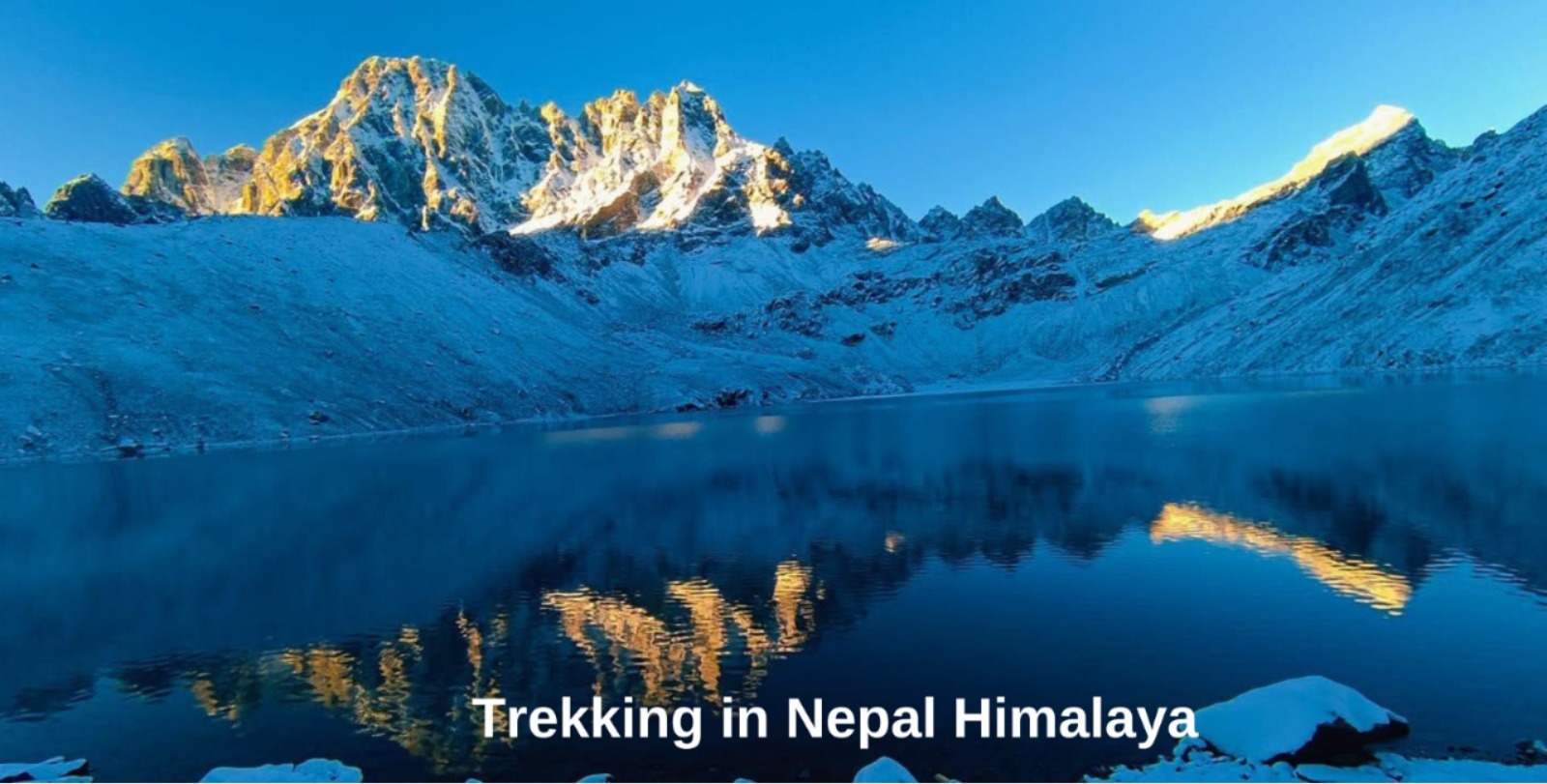
Best Travel Packages from Singapore to Experience the Himalayas
Introduction to Himalayan Travel
For centuries, the Himalayas have captivated explorers, monks, poets, and adventurers with their towering peaks and mystical charm. Stretching across Four countries to travel—Nepal, Bhutan, India and Tibet—the Himalayan range is home to the world’s highest mountains, including Mount Everest (8,849m) and Kanchenjunga (8,586m). But the Himalayas are more than just snow-capped summits; they are a cradle of culture, spirituality, biodiversity, and timeless traditions. Central Asia part is immerging destination to travel for different nature experience.
For travelers from Singapore, the Himalayas offer a complete escape from the modern, fast-paced lifestyle. Imagine trading skyscrapers for monasteries perched on cliffs, city noise for the gentle sound of prayer flags fluttering in the wind, and air-conditioned malls for crisp mountain air.
Why Singaporeans choose the Himalayas:
• Proximity: With flight times as short as 5 hours, the Himalayas are surprisingly close.
• Diversity: Options range from luxury escapes in Bhutan to rugged treks in Nepal.
• Climate: Cooler mountain climates are a refreshing change from Singapore’s tropical heat.
• Culture & Spirituality: A chance to immerse in Buddhism, Hinduism, yoga, and meditation.
The Himalayas are not just a destination—they are an experience of transformation. Whether you come for adventure, wellness, or culture, you will leave with a deeper connection to both nature and yourself.
Overview of Travel Packages
Traveling to the Himalayas can be complex due to multiple countries, remote locations, and special permits. That’s why pre-arranged travel packages are the best choice, especially for travelers from Singapore who value convenience, comfort, and reliable services.
What’s Included in Most Packages?
• International Flights: Round-trip airfare from Singapore (Changi Airport) to hubs like Kathmandu, Delhi, or Bangkok (for onward Bhutan flights).
• Accommodation: Choices ranging from budget guesthouses to luxury resorts.
• Transfers & Local Transport: Airport pick-ups, domestic flights, and overland journeys.
• Meals: Some packages include daily breakfast or full-board options.
• Guided Tours: Certified local guides for cultural tours, trekking, or adventure sports.
• Permits & Visa Support: Crucial for Bhutan, Tibet, and restricted trekking zones.
• Emergency Support: Local operator assistance for safety and medical concerns.
Typical Duration & Costs
• Short Trips (5–7 days): Quick cultural tours of Nepal, Bhutan, or Northern India.
• Medium Trips (8–12 days): Trekking or multi-country journeys.
• Extended Journeys (14+ days): Everest Base Camp treks, spiritual retreats, or cross-country Himalayan expeditions.
On average, packages start from SGD 1,500–2,000 per person for a week in Nepal or India, and SGD 3,000–5,000 for Bhutan or Tibet (luxury options can go much higher).
Types of Travel Packages

Every traveler has a different style, and the Himalayas cater to all. Here are the most popular package categories from Singapore:
3.1. Adventure Packages
• Who it’s for: Trekking enthusiasts, mountaineers, and adrenaline seekers.
• Activities: Everest Base Camp Trek, Annapurna Circuit, Ladakh motorbike expeditions, white-water rafting in Nepal, paragliding in India.
• Highlights: High-altitude treks, camping under starry skies, crossing suspension bridges, and breathtaking panoramic views.
• Example Itinerary: 10-day Everest Panorama Trek from Kathmandu, including guided hikes, teahouse stays, and Sherpa cultural experiences.
3.2. Cultural Packages
• Who it’s for: History lovers, spiritual seekers, and families.
• Activities: Exploring Bhutan’s monasteries, Kathmandu’s UNESCO temples, Tibetan rituals, Ladakh’s monasteries.
• Highlights: Attending colorful festivals like Paro Tsechu, visiting Potala Palace in Lhasa, or exploring Bhaktapur Durbar Square in Nepal.
• Example Itinerary: 7-day Bhutan cultural journey covering Paro, Thimphu, and Punakha.
3.3. Wellness Retreat Packages
• Who it’s for: Travelers seeking rest, detox, and self-discovery.
• Activities: Yoga, meditation, Ayurvedic therapies, spa treatments, and silent retreats.
• Highlights: Yoga by the Ganges in Rishikesh, meditation in Bhutanese monasteries, wellness resorts in Pokhara overlooking Himalayan lakes.
• Example Itinerary: 10-day yoga and wellness retreat in Rishikesh with Ayurveda sessions and day hikes.
3.4. Family Packages
• Who it’s for: Parents with kids or multi-generational families.
• Activities: Scenic drives, easy hikes, wildlife safaris, cultural storytelling.
• Highlights: Chitwan National Park jungle safari (Nepal), Tiger’s Nest viewpoint (Bhutan), Darjeeling’s toy train ride (India).
• Example Itinerary: 8-day family-friendly Bhutan trip with cultural sightseeing and soft hiking.
3.5. Luxury Packages
• Who it’s for: Honeymooners, business travelers, or those wanting exclusivity.
• Activities: Helicopter tours over Everest, private guided tours, luxury resort stays.
• Highlights: Uma by COMO in Bhutan, Dwarika’s Hotel in Nepal, Ananda in the Himalayas (India).
• Example Itinerary: 5-day Bhutan luxury escape with premium spa experiences and private cultural tours.
Best Time to Visit the Himalayas
The Himalayas cover vast terrain with diverse climates. Choosing the right season is essential.
• Spring (March–May):
o Best for trekking in Nepal and Bhutan (flowers in bloom, clear skies).
o Cultural highlights include Holi in India and Buddha Jayanti in Nepal.
• Summer (June–August):
o Monsoon brings heavy rains in Nepal, India, and Bhutan (not ideal for trekking).
o Great for Ladakh (India) and Tibet, which are dry and accessible in summer.
• Autumn (September–November):
o Peak season with perfect weather, crystal-clear mountain views, and vibrant festivals.
o Ideal for trekking and photography.
o Popular but crowded—book packages early.
• Winter (December–February):
o Cold, especially at high altitudes.
o Great for snow activities in Gulmarg (India) or off-season discounts in Nepal.
o Less crowded, perfect for cultural immersion.
Popular Destinations in the Himalayas
The Himalayas span multiple countries, each with unique attractions.
5.1. Nepal
• Why visit: The ultimate trekking destination. Home to 8 of the 14 world’s 8,000m peaks.
• Highlights:
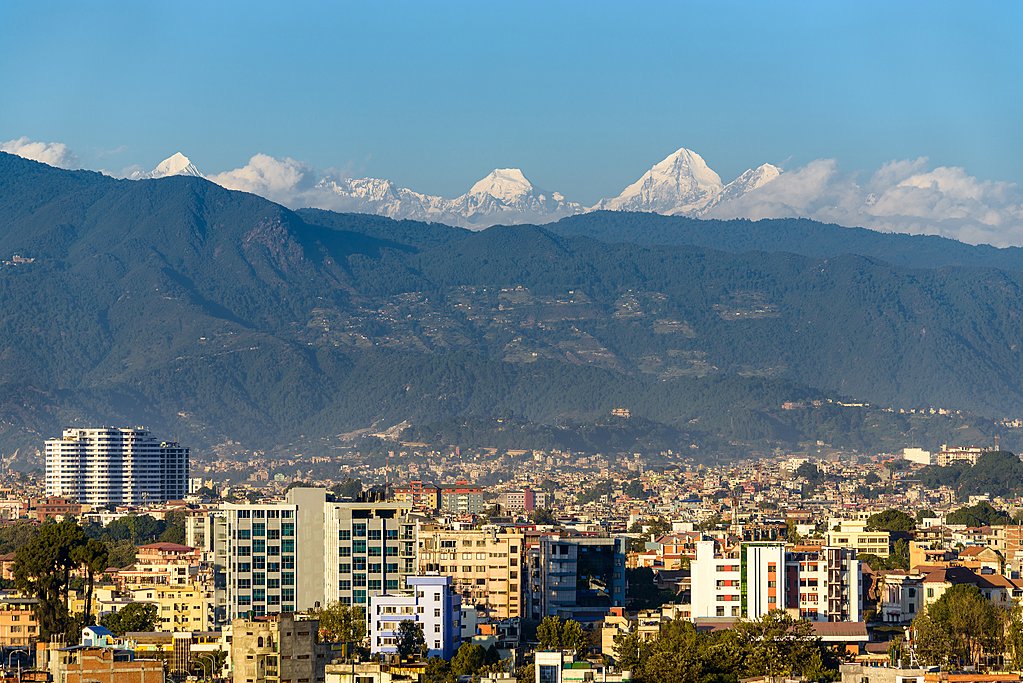
o Kathmandu Valley: Temples, stupas, and heritage towns.
o Pokhara: Lakeside city with paragliding and trekking access.
o Everest Region: Trekking to Base Camp or scenic helicopter tours.
o Chitwan National Park: Wildlife safari with rhinos and tigers.
• Popular Package Example: 12-day Everest Base Camp trek from Singapore.
5.2. Bhutan
• Why visit: Known as the “Last Shangri-La,” Bhutan limits tourist numbers, ensuring exclusivity.
• Highlights:
o Paro Taktsang (Tiger’s Nest Monastery).
o Punakha Dzong (stunning fortress at river confluence).
o Thimphu festivals with mask dances.
o Gross National Happiness philosophy woven into daily life.
• Popular Package Example: 7-day Bhutan cultural tour with hikes and monastery visits.
5.3. India
• Why visit: India’s Himalayan states offer both spiritual and adventurous experiences.
• Highlights:
o Ladakh: High-altitude desert, monasteries, and bike adventures.
o Himachal Pradesh: Shimla, Manali, and Dharamshala.
o Uttarakhand: Rishikesh (yoga capital) and Auli (skiing).
o Sikkim & Darjeeling: Monasteries, tea gardens, and Kanchenjunga views.
• Popular Package Example: 10-day Leh–Ladakh cultural and adventure tour.
5.4. Tibet
• Why visit: Spiritual heart of Buddhism with stunning landscapes.
• Highlights:
o Lhasa: Potala Palace and Jokhang Temple.
o Mount Kailash: Sacred pilgrimage site.
o Namtso Lake: Turquoise high-altitude lake.
• Popular Package Example: 8-day Tibet highlights tour including Lhasa and Everest North Base Camp.
Traveling from Singapore: Flight Options
Getting to the Himalayas from Singapore is easier than many expect, though direct flights are limited. Most travelers fly from Singapore Changi Airport (SIN) to major Himalayan gateways like Kathmandu (Nepal), Paro (Bhutan), Delhi (India), or Chengdu/Beijing (for Tibet).
Main Routes:
• Singapore → Kathmandu (Nepal)
o Duration: ~5–7 hours (direct or one-stop).
o Airlines: Singapore Airlines, Malaysia Airlines, AirAsia, Malindo Air, Batik Air.
o Tip: Some budget airlines offer great deals with short layovers in Kuala Lumpur or Bangkok.
• Singapore → Paro (Bhutan)
o No direct flights. Most routes connect via Bangkok, Delhi, or Kathmandu.
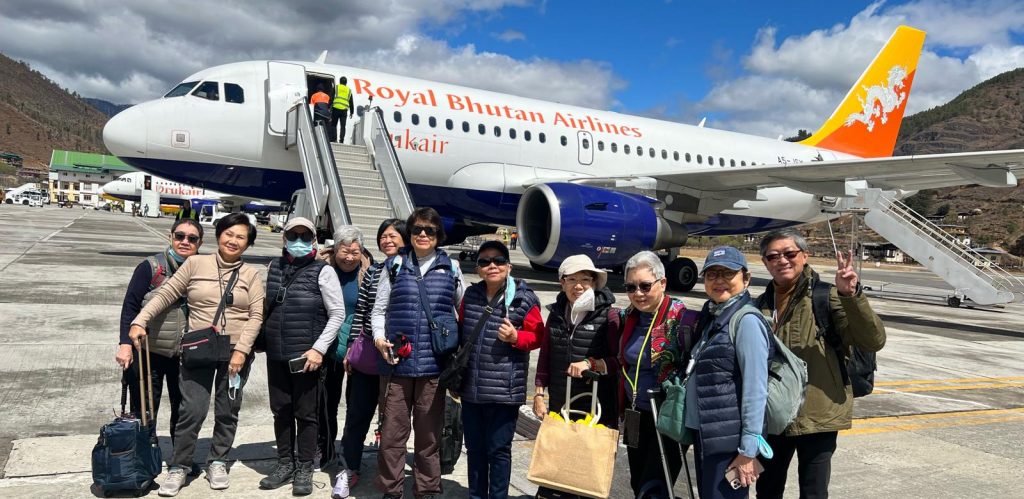
o Airlines: Druk Air (Royal Bhutan Airlines) and Bhutan Airlines.
o Tip: Book early, as Bhutan flights are limited and often fill up months in advance.
• Singapore → Delhi (India)
o Duration: ~5 hours direct.
o Airlines: Singapore Airlines, Air India, Vistara, Scoot.
o Connections: From Delhi, domestic flights can reach Leh (Ladakh), Dehradun (Uttarakhand), Bagdogra (Sikkim/Darjeeling).
• Singapore → Lhasa (Tibet)
o Requires a stopover in Chengdu, Beijing, or Kathmandu.
o Airlines: Air China, Sichuan Airlines.
o Important: A Tibet Travel Permit (arranged by your tour operator) is required before boarding flights to Lhasa.
Practical Tips:
• Book 2–3 months in advance for best fares.
• Use Changi’s premium lounges for comfort if you have layovers.
• Check baggage policies—especially if carrying trekking gear.
• Opt for morning arrivals in Himalayan hubs to avoid delays from afternoon weather disruptions.
Visa Requirements for the Himalayas
Visa policies vary depending on which Himalayan country you’re visiting.
• Nepal:
o Visa on Arrival at Tribhuvan International Airport (Kathmandu).
o Cost: ~USD 30 (15 days), USD 50 (30 days), USD 125 (90 days).
o Requirements: Passport valid for 6 months, one passport photo.
• Bhutan:
o All tourists (except Indians, Bangladeshis, Maldivians) must book a government-approved package.
o Visa is arranged by your Bhutanese tour operator.
o Cost: ~USD 40 visa fee + daily Sustainable Development Fee (SDF).
o SDF (as of 2025): USD 100 per night (reduced from USD 200 to promote tourism).
• India:
o E-Visa available online for Singaporeans.
o Cost: ~USD 25–40 depending on duration.
o Multiple entry visas available for 1 year or longer.
• Tibet (China):
o Requires a Chinese visa (apply at the Chinese embassy in Singapore).
o In addition, a Tibet Travel Permit must be obtained via a licensed Tibet tour operator.
o Important: Independent travel in Tibet is not allowed; you must be part of an organized group tour.
Pro Tips:
• Always carry printed visa copies and permits—internet access is limited in remote areas.
• Check validity—your passport should be valid for at least 6 months beyond entry.
• For multi-country trips, coordinate with a specialized Himalayan tour operator who can manage permits and border crossings smoothly.
Accommodation Options
The Himalayas cater to every type of traveler, from budget backpackers to luxury seekers. Accommodation plays a big role in shaping your experience.
8.1. Hotels
• Range: Budget hotels to international chains.
• Where: Cities like Kathmandu, Thimphu, Leh, and Lhasa.
• Highlights:
o Nepal: Dwarika’s Hotel (luxury heritage), Hotel Yak & Yeti.
o Bhutan: Uma by COMO, Le Méridien Thimphu.
o India: The Oberoi Cecil (Shimla), Ananda in the Himalayas (Rishikesh).
o Tibet: St. Regis Lhasa Resort.
8.2. Guesthouses
• Affordable & authentic options for budget-conscious travelers.
• Often family-run with warm hospitality.
• Found in trekking regions like Nepal’s Annapurna or Bhutan’s Punakha Valley.
• Great way to connect with locals and experience daily life.
8.3. Homestays
• Growing in popularity for cultural immersion.
• Stay with families, eat homemade food, and participate in local traditions.
• Popular in Ladakh (India), Sikkim, and rural Nepal.
• Many are eco-friendly, supporting sustainable tourism.
Bonus: Trekking Lodges (Teahouses)
• Unique to Nepal. Basic lodges along trekking routes.
• Offer hot meals, cozy rooms, and camaraderie with fellow trekkers.
• Prices range from SGD 10–50 per night, depending on altitude and season.
Transportation Within the Himalayas
Due to challenging terrain, transportation can be slow but adventurous. Packages typically include transfers, but here’s what you should know:
9.1. Local Transport
• Taxis & Rickshaws: Common in cities. Negotiation is key.
• Buses & Minivans: Cheap but crowded. Better for short distances.
• Shared Jeeps: Widely used in India, Nepal, and Bhutan for mountain routes. Reliable but bumpy.
• Domestic Flights: Popular for saving time (e.g., Kathmandu–Pokhara, Delhi–Leh). However, weather delays are common.
9.2. Guided Tours
• Many Himalayan travelers prefer private vehicles with drivers and guides.
• Benefits: Comfort, safety, flexibility.
• In Bhutan, private transport with a guide is included in all packages by law.
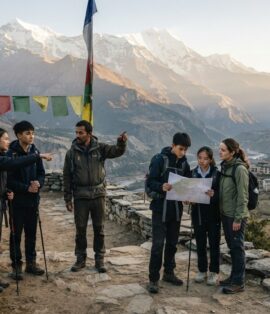
• In Nepal, trekking packages often include porters and guides to carry loads and ensure safety.
Fun Transport Options:
• Darjeeling Toy Train (India): A UNESCO heritage railway offering scenic rides.
• Cable Cars: Found in Nepal (Chandragiri Hills) and India (Auli ropeway).
• Yak or Horse Rides: Offered in Tibet, Ladakh, and some trekking areas.
Cultural Experiences in the Himalayas
The Himalayas are not just about landscapes—they are a living museum of culture, spirituality, and traditions.
10.1. Local Festivals
Festivals are vibrant windows into Himalayan life. If your travel dates align, it’s worth planning around them.
• Nepal: Dashain (longest Hindu festival), Tihar (festival of lights), Indra Jatra (Kathmandu street celebration).
• Bhutan: Paro Tsechu & Thimphu Tsechu—masked dances in elaborate costumes.
• India (Himalayan states): Hemis Festival in Ladakh, Losar (Tibetan New Year) in Himachal & Sikkim.
• Tibet: Saga Dawa Festival (honoring Buddha’s birth, enlightenment, and death).
10.2. Cuisine
Each region has its unique flavors, often influenced by Tibetan, Indian, and Nepalese traditions.
• Nepal: Momos (dumplings), dal bhat (lentil rice set), thukpa (noodle soup).
• Bhutan: Ema datshi (chili cheese stew), red rice, butter tea.
• India (Himalayan): Sikkimese thukpa, Ladakhi butter tea, Himachali dham feast.
• Tibet: Tsampa (roasted barley flour), yak meat dishes, sweet milk tea.
10.3. Traditions and Customs
• Hospitality: Guests are treated like family. Always accept tea or food when offered.
• Dress Codes: Modest clothing is recommended in monasteries and temples.
• Respect for Spiritual Sites: Walk clockwise around stupas and prayer wheels.
• Photography Etiquette: Always ask before photographing people or rituals.
Please read part 2 of this post.
Experience the Himalayas: A Travel Guide from Singapore – Part 2



Comments are closed