


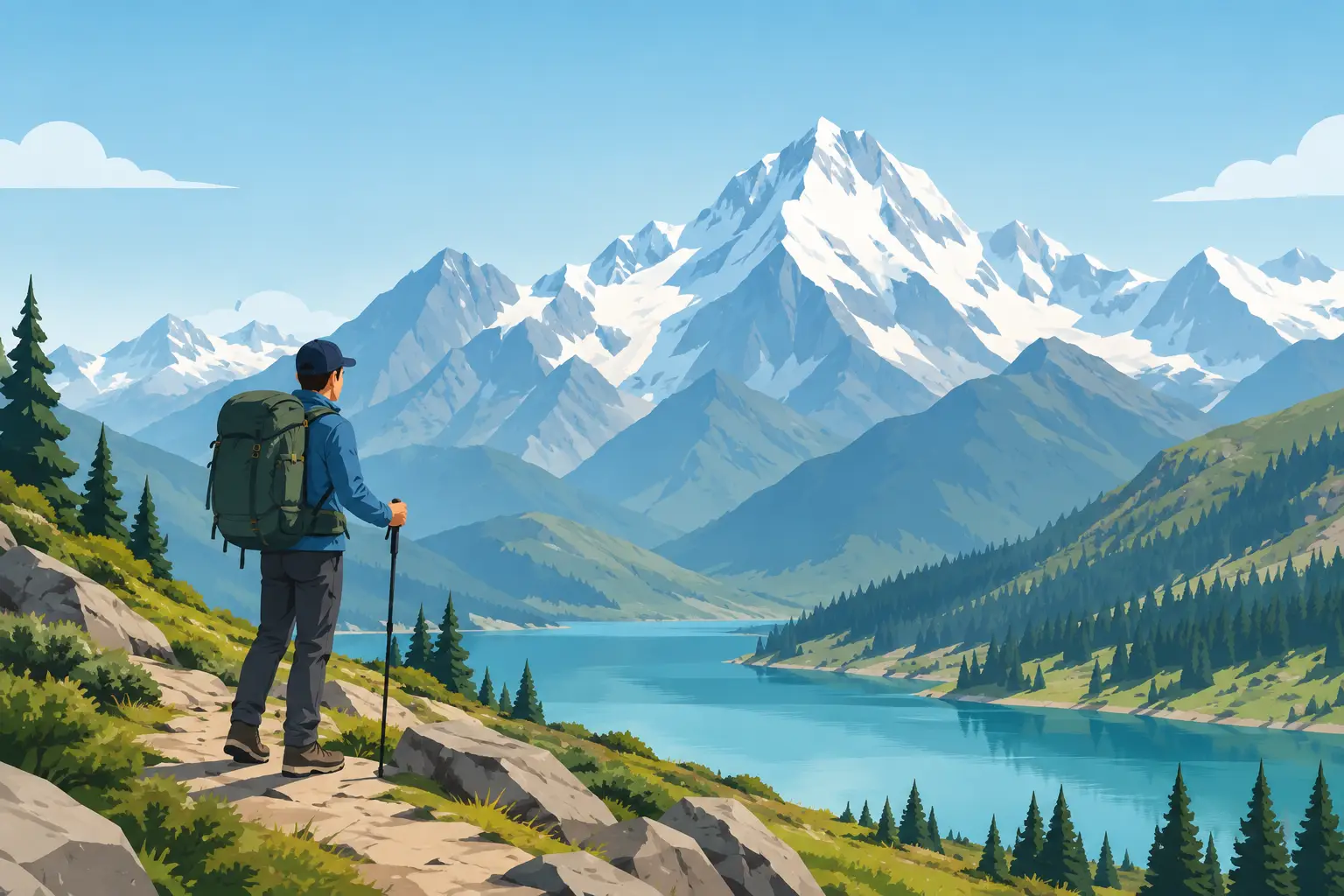
Pakistan Mountain Travel Guide for First Treks
The Karakoram does not feel like a destination built for rushed sightseeing. One moment you are following the Indus through a vast, dry valley; the next, the road bends towards snow-covered summits, hanging glaciers and villages that have welcomed travellers for generations. This Pakistan mountain travel guide is for those who want that sense of scale, while travelling with realistic expectations, careful planning and time to enjoy the people and places along the way.
Pakistan offers a remarkable range of mountain holidays, from scenic journeys around Hunza and Skardu to serious trekking beneath K2. It rewards travellers who are curious, patient and prepared for changing weather, long drives and simple mountain comforts. The right itinerary depends less on how many places you can fit in than on the pace at which you can genuinely experience them.
Why choose Pakistan for a mountain holiday?
Northern Pakistan sits at the meeting point of the Karakoram, Himalaya and Hindu Kush ranges. That geography creates dramatic variety. Hunza combines terraced fields, historic forts and views of Rakaposhi; Skardu is a gateway to high-altitude deserts, turquoise lakes and the great Karakoram trekking valleys; Chitral and the Hindu Kush offer a quieter, more remote cultural experience.
For many travellers, the defining appeal is that the mountains remain closely connected to daily life. You may have tea in a family-run guesthouse, pass an apricot orchard on a village walk, or share a viewpoint with local families rather than a large crowd. Hospitality is a real part of the journey, not an added attraction.
There are trade-offs. Road journeys can be lengthy and subject to landslides, roadworks or weather delays. Flight schedules to mountain airports can change at short notice. Facilities outside the main towns are often straightforward rather than luxurious. In return, a thoughtfully paced journey delivers landscapes and encounters that are difficult to find elsewhere.
Pakistan mountain travel guide: choose your route
Hunza and the Karakoram Highway
Hunza is an excellent introduction for first-time visitors to Pakistan’s mountains. The valley offers a comfortable balance of scenery, culture and manageable activity. Travellers can visit Baltit and Altit forts, walk through Karimabad, admire the striking blue waters of Attabad Lake and continue towards Passu, where the jagged Passu Cones rise above the valley.
This route suits couples, families with older children and groups who want gentle walks rather than a sustained trek. It also works well for travellers who value cultural immersion as much as mountain views. A few nights in Hunza are far more rewarding than a brief stop between long driving days.
Skardu, Shigar and the high valleys
Skardu is the natural base for a deeper journey into Baltistan. The surrounding landscape is unexpectedly varied: broad valleys, sand dunes, clear lakes, green settlements and towering peaks all sit within reach. Shigar, with its historic fort and quieter village atmosphere, makes a particularly appealing stay.
From Skardu, itineraries may include Upper Kachura Lake, the Shigar Valley, Khaplu and, when conditions allow, Deosai National Park. Deosai is a high plateau rather than a conventional mountain viewpoint, but its open grasslands, wildflowers and distant snow peaks make it unforgettable in summer.
This region is best for travellers comfortable with some altitude and longer vehicle journeys. Allow contingency time, especially if flying between Islamabad and Skardu. The flight is spectacular on a clear day, yet mountain weather can require a road alternative or an adjusted programme.
Fairy Meadows and Nanga Parbat
Fairy Meadows delivers one of Pakistan’s most celebrated mountain scenes: Nanga Parbat rising beyond alpine meadows and pine forest. Reaching it involves an adventurous jeep ride followed by a walk uphill to the accommodation area. It is not technically difficult for reasonably fit walkers, but the approach is not suited to everyone.
The experience is ideal for active travellers seeking a short mountain stay with a strong sense of achievement. Accommodation is simple, and weather can feel cool even in summer. Pack for rain, cold evenings and uneven trails rather than expecting resort-style comfort.
K2 and the Concordia trek
The trek to Concordia, the famed meeting point of glaciers beneath K2 and other Karakoram giants, is a major expedition-style journey. It requires several days of trekking, camping, variable weather tolerance and a positive approach to basic facilities. The altitude, remote location and glacier walking demand a gradual itinerary and experienced on-ground support.
This is not a trek to choose solely for the K2 name. It is best for fit, experienced hikers who are comfortable spending extended time away from hotels, roads and predictable routines. For the right traveller, it is among the world’s most powerful mountain journeys.
When to travel in the Pakistani mountains
The main season for northern Pakistan is broadly late spring to early autumn, but each route has its own ideal window. May and June bring fresh greenery in lower valleys and pleasant conditions for sightseeing, although higher passes and plateaux may not yet be open. July and August are generally the principal trekking months in the Karakoram, with alpine meadows at their best, though rain can affect roads in some areas.
September is often a favourite for clear mountain views, cooler walking temperatures and a calmer feel after peak summer. Hunza can be particularly beautiful in October, when autumn colour transforms the orchards. Higher trekking routes may close as temperatures fall and snow arrives.
Winter travel is possible in selected valleys, especially for cultural sightseeing and snow landscapes, but it requires flexibility. Road access, heating and flight reliability need close consideration. If your holiday is focused on major trekking, summer remains the more dependable choice.
Plan for altitude, weather and road realities
A mountain holiday in Pakistan is not automatically a high-altitude trek, but altitude still matters. Skardu sits above 2,200 metres, and places such as Deosai are considerably higher. Headaches, poor sleep and tiredness can occur when travellers ascend too quickly, even when they are not carrying a rucksack all day.
Build in easier days after arrival in Skardu or another high base. Drink regularly, limit alcohol, eat well and tell your guide if you feel unwell. Acclimatisation is not about toughness. It is a practical process that protects the enjoyment of the trip.
Weather is equally influential. A clear morning can become windy, wet or cold by afternoon, while a mountain road can close following heavy rain or a landslide. Good planning means allowing spare time and treating the itinerary as a well-managed framework, not a rigid promise. Local guides and drivers are invaluable here: they understand alternate routes, road conditions and the sensible moment to change plans.
What to pack without overpacking
Mountain weather calls for layers. A warm insulating jacket, waterproof outer layer, sun hat, sunglasses and sturdy walking shoes are useful across most northern routes. Even sightseeing itineraries involve rough paths, stone steps and uneven ground around lakes or viewpoints.
For trekking, add a sleeping bag appropriate to the season, a reliable head torch, personal first-aid items, refillable water bottles and a daypack. Keep essential medication, a warm layer and rain protection with you rather than in luggage carried separately. Mobile coverage can be limited beyond towns, so a small power bank is worthwhile.
Dress respectfully in villages and religious sites. Lightweight trousers, tops that cover the shoulders and a scarf or extra layer are practical choices for both comfort and cultural sensitivity. Local customs vary by valley, and a considerate guide can offer clear advice without making the experience feel restrictive.
Permits, documents and supported logistics
International visitors need the appropriate visa arrangements before travel, and some mountain areas may require permits, registrations or restricted-area documentation. Requirements can change, particularly for trekking routes and border regions, so they should be checked close to departure rather than assumed from an old itinerary.
A specialist operator can coordinate the moving parts that make an independent mountain journey demanding: domestic flights, private transport, accommodation, local staff, permits, meals on remote treks and contingency planning. This is particularly useful for school groups and travellers with limited holiday time, where a missed connection or unsuitable overnight stop can affect the whole programme.
Brothers Team plans mountain travel with the same care applied to Himalayan journeys: sensible acclimatisation, capable local guides and a pace that leaves room for both safety and discovery. The aim is not simply to reach a viewpoint, but to make the route there feel rewarding.
Pakistan’s mountains ask you to travel with flexibility, respect and a little adventurous spirit. Give the journey enough days, listen to local advice, and the road beyond the familiar can become the part of your holiday you remember most clearly.

Comments are closed