


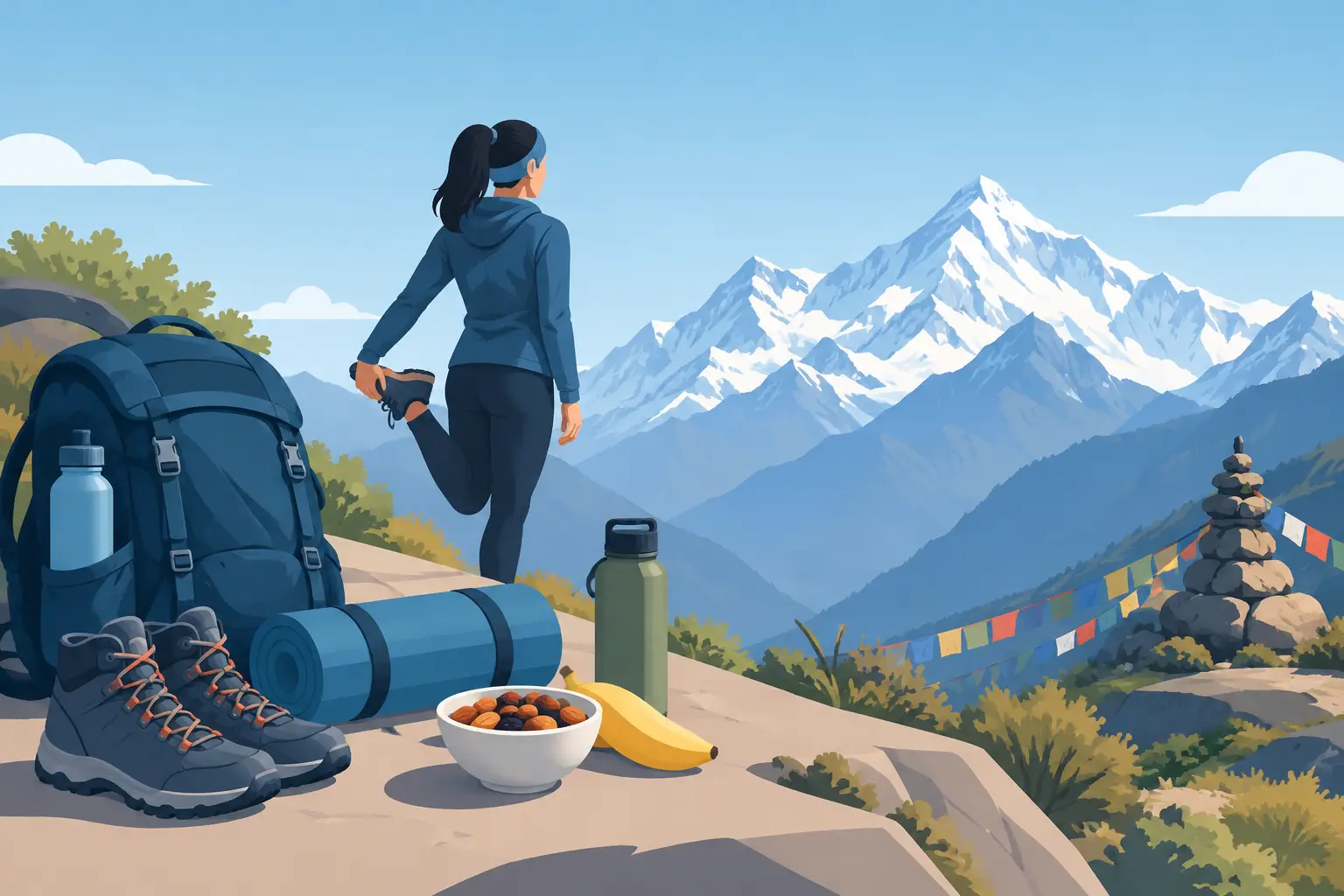
How to Prepare for Altitude Before a Himalayan Trek
A Himalayan trek can begin with a thrilling mountain flight, a lively trailhead and the sense that something remarkable lies ahead. But as the path climbs above the tree line, the challenge changes. Knowing how to prepare for altitude is not about proving how tough you are. It is about giving your body time to adapt, listening carefully to early signals and choosing an itinerary that puts safety before speed.
For routes such as Everest Base Camp, Gokyo Lakes, the Annapurna region or high passes like Cho-La, good preparation begins long before you arrive in Nepal. Fitness matters, but sensible acclimatisation, realistic pacing and an experienced support team matter just as much.
Understand what altitude does to your body
At higher elevations, every breath contains less available oxygen than at sea level. Your body can adapt by breathing faster, increasing its heart rate and making longer-term changes to carry oxygen more efficiently. This process is called acclimatisation, and it cannot be rushed by determination, expensive gear or an intense gym session.
People respond differently. A very fit runner may develop symptoms while a first-time trekker feels well, and past experience at altitude does not guarantee the same response on a future trip. Age, fitness and attitude are useful considerations, but your ascent profile is the strongest factor you can control.
Mild acute mountain sickness, often called AMS, can feel like a headache, poor sleep, nausea, reduced appetite, unusual tiredness or dizziness. These symptoms should never be ignored or hidden from your guide. More serious altitude illness can affect the lungs or brain and requires immediate descent and medical attention. The simplest rule in the mountains is one worth remembering: if symptoms worsen, do not go higher.
How to prepare for altitude before you travel
Start by selecting a trek with enough time built into its itinerary. A shorter route may look attractive on paper, especially when annual leave is limited, but rapid ascent can turn a dream journey into an uncomfortable or unfinished one. On classic Himalayan routes, carefully placed rest and acclimatisation days are part of the trek, not lost days.
A good acclimatisation day does not always mean sitting still. Guides may lead a short hike to a higher point before returning to sleep at a lower altitude. This approach, often described as climb high and sleep low, helps the body adjust while allowing you to recover overnight. The exact plan depends on the route, weather, group condition and available lodges.
If your international schedule allows, arrive with a little breathing room before heading into the mountains. A night in Kathmandu after a long-haul flight gives you time to rest, sort equipment and settle into a different time zone. It is not an altitude cure, but beginning a trek exhausted and dehydrated is rarely helpful.
Build trekking fitness, not just gym fitness
You do not need to be an elite athlete for a well-paced Himalayan trek, but you should prepare for consecutive days of walking uphill and downhill. Begin at least eight to twelve weeks before departure if possible, particularly if your normal routine is mostly sedentary.
Prioritise regular walking, hill training, stair sessions and longer weekend hikes with a light daypack. Gradually increase time on your feet rather than chasing one punishing workout. Strength work for your legs, hips and core can make steep descents more comfortable and help you maintain steady form when you are tired.
Cardiovascular fitness improves your ability to work at a lower intensity, but it does not prevent altitude illness. Think of training as preparation to enjoy the journey, carry yourself confidently over uneven ground and recover well each evening. It is not a substitute for acclimatisation.
Arrange a medical check and discuss medication
Speak with your doctor or a travel medicine clinic before committing to a high-altitude holiday, especially if you have heart, lung or blood-pressure conditions, diabetes, sleep apnoea, or take regular medication. Ask specifically about your planned maximum sleeping altitude and the remoteness of the route.
Some trekkers are prescribed acetazolamide to support acclimatisation. It can be useful in appropriate circumstances, but it is not a licence to ascend too quickly or continue despite symptoms. It also may not suit everyone and can have side effects. Your doctor should advise whether it is suitable, when to start it and how to use it. Do not rely on medicines bought casually during travel.
Pace yourself from the first day on the trail
One of the most common mistakes is walking too quickly while you still feel strong. The first few days can be exciting, and it is easy to match someone else’s stride or push to reach the lodge early. At altitude, a deliberately slow pace is often the smartest pace.
Walk at a rhythm where you can speak in short sentences. Take small, regular breaks, especially on steep climbs, and let your guide know if you develop a headache, feel unusually breathless at rest or simply feel unlike yourself. There is no prize for arriving first at the teahouse. The reward is arriving well enough to enjoy tomorrow.
On a group trek, be considerate about the shared pace. A professional guide balances the itinerary with the condition of the whole group, but every traveller has a responsibility to communicate honestly. Early reporting allows practical decisions to be made before a minor problem becomes a serious one.
Eat, drink and rest with purpose
Appetite often changes at altitude, yet your body needs energy to walk and adjust. Choose familiar, carbohydrate-rich meals where possible, eat little and often if full meals feel difficult, and avoid skipping food simply because you are not hungry. Warm soups, rice, potatoes, noodles and porridge can be particularly welcome after a long day.
Hydration also deserves attention. Dry mountain air, exertion and increased breathing can leave you dehydrated without obvious thirst. Drink regularly throughout the day, using safe treated or boiled water, but avoid forcing excessive amounts. Pale yellow urine is a useful general guide, although it is not a diagnosis of hydration or altitude health.
Alcohol can disturb sleep and worsen dehydration, so it is wise to avoid it once you begin gaining altitude. Sleeping may feel lighter or more interrupted in the mountains even when you are acclimatising normally. Keep evenings calm, stay warm, prepare your kit for the next day and give your body the rest it needs.
Pack for comfort, warmth and steady progress
The right equipment will not acclimatise you, but being cold, wet or uncomfortable adds unnecessary strain. Wear layers that can be added and removed easily as temperatures change. A moisture-wicking base layer, insulating mid-layer and waterproof outer shell are more adaptable than one bulky garment.
Well-worn hiking boots, comfortable socks and trekking poles can make a meaningful difference, particularly on long descents. Carry a personal water bottle or hydration system, sun protection, a warm hat, gloves, basic personal medicines and snacks you know you can eat. Keep essential items accessible rather than buried at the bottom of your bag.
Travel insurance should cover trekking to your planned altitude and include emergency evacuation. Check the policy wording before departure, not when you need help. In remote Himalayan regions, a reliable emergency response plan is an essential part of responsible travel planning.
Know when the plan must change
A good trek is not defined only by reaching a named viewpoint or base camp. Weather, flight delays, trail conditions and individual health can all require flexibility. Altitude is the clearest example: descending or taking an extra rest day is a sound mountain decision, never a failure.
Tell your guide immediately about a persistent or worsening headache, nausea, vomiting, marked fatigue, difficulty walking straight, confusion, chest tightness or breathlessness at rest. Do not mask symptoms with painkillers and assume the issue has passed. Guides monitor guests throughout the trek, but you remain the person who best knows how you feel.
Travelling with an operator that plans realistic acclimatisation days, has knowledgeable local guides and can coordinate logistics gives you more room to make safe choices. Brothers Team’s Himalayan programmes are designed with this practical support in mind, so travellers can focus on the landscape, culture and personal achievement without treating safety as an afterthought.
The mountains will still be there tomorrow. Give your body the time it asks for, take each day at a steady pace, and you will have a far better chance of experiencing the Himalaya not as a race to finish, but as a journey to remember.

Comments are closed