


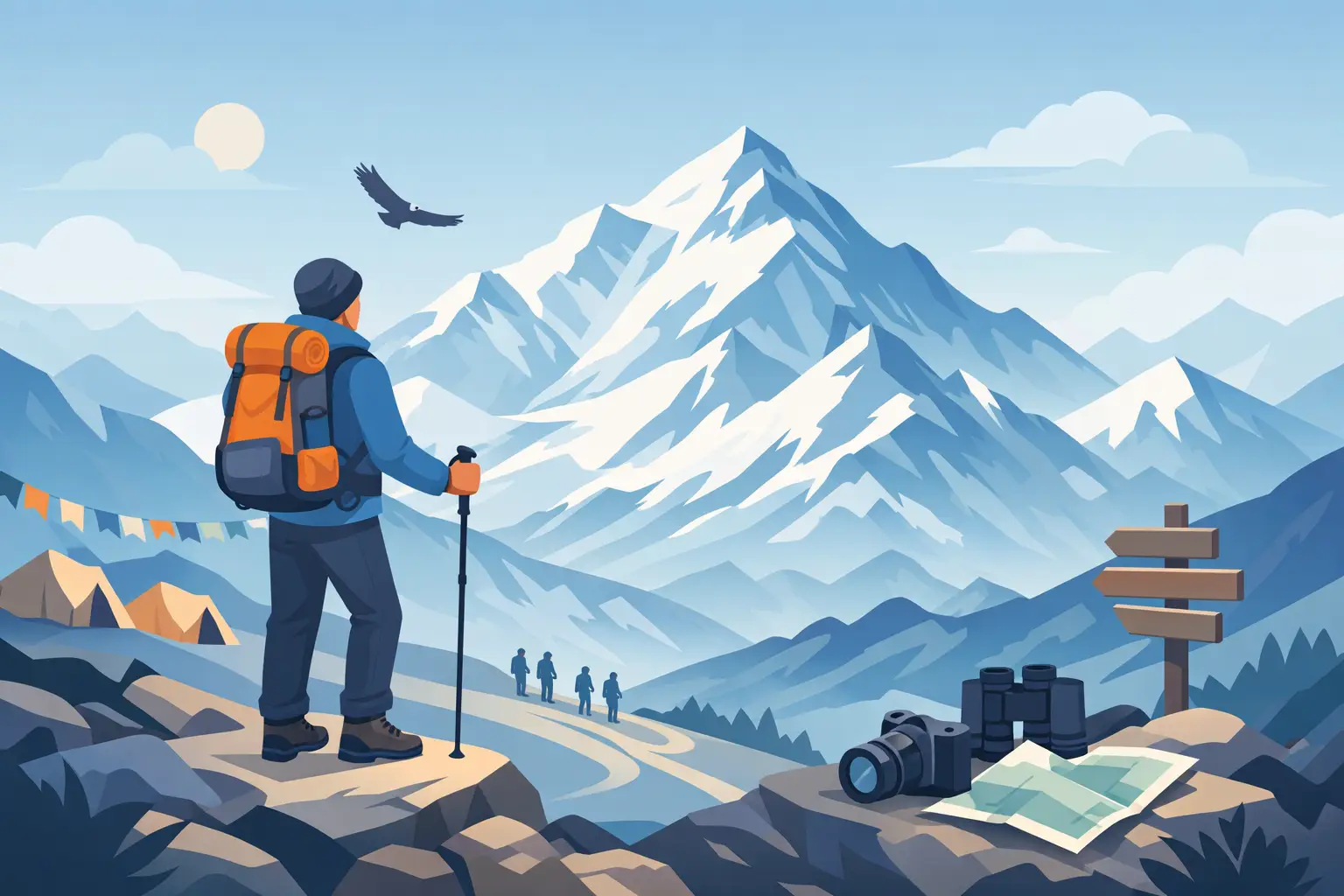
Everest Trek Reviews: What Really Matters
A glowing view of Everest at sunrise is easy to photograph. What happens when a Lukla flight is delayed, a traveller develops a headache at altitude, or the group reaches a difficult day tired and cold is much more revealing. That is why Everest trek reviews deserve to be read with care, not merely counted by stars.
For many travellers, the Everest region is a long-held personal goal. It can be welcoming, deeply moving and achievable without climbing experience, but it is not a standard sightseeing holiday. A well-run trek brings together route planning, sensible acclimatisation, capable local leadership, comfortable-enough lodges and calm support when plans change. The best reviews show how those elements worked in real conditions.
How to Read Everest Trek Reviews Properly
Start by looking beyond broad praise such as “amazing trip” or “beautiful scenery”. Those comments may be genuine, but they do not tell you whether an itinerary was paced responsibly or whether the operator communicated well when mountain logistics became uncertain. The most useful reviews include specific moments: a guide noticing early altitude symptoms, a porter team helping the group move efficiently, or staff rearranging accommodation after a flight disruption.
Pay attention to the date, too. The Everest region changes from season to season, and lodge standards, trail conditions and airline schedules can vary. A recent review is useful for current service details, while a collection of reviews over several years can reveal whether an operator delivers consistent care rather than one exceptional departure.
It also helps to consider who wrote the review. A very fit trekker travelling with friends may judge the route differently from a first-time Himalayan walker in their fifties, a solo traveller, or a school-group leader. The strongest pattern is not identical praise from every guest. It is evidence that different travellers felt well informed, supported and appropriately challenged.
Look for details about the guide
In the Khumbu, a guide is far more than someone who knows the path. They set the daily rhythm, interpret changing weather, explain local culture and make decisions that affect everyone’s wellbeing. Reviews worth trusting often describe the guide by name and explain what they did, rather than simply saying they were friendly.
Look for references to clear briefings, an unhurried walking pace, help at lodges, knowledge of villages and monasteries, and confidence around altitude concerns. A personable guide matters, but friendliness alone is not enough. You want someone who can make a cautious call without making guests feel that their ambitions have been dismissed.
Notice how altitude is discussed
No responsible operator can promise that nobody will feel altitude effects. Acclimatisation is personal, fitness does not make someone immune, and symptoms can develop even on familiar routes. Reviews should not make reckless speed sound impressive.
Instead, seek signs that the programme allowed time for gradual ascent and rest or acclimatisation walks. It is reassuring when guests mention that guides checked on them, encouraged fluids and food, adjusted pace, or made a clear decision when descending was the safer option. This is not a sign of a “soft” trek. It is the discipline that gives travellers the best chance of enjoying the mountains and reaching their goal safely.
Reviews Should Match the Everest Route
“Everest Base Camp” is often treated as one single trip, but the experience differs considerably by route, number of days and direction of travel. Read feedback from travellers who completed an itinerary close to the one you are considering.
The classic Everest Base Camp trek follows the Khumbu Valley through Namche Bazaar, Tengboche, Dingboche and Lobuche before reaching Base Camp. Reviews may focus on the camaraderie of the route, the changing views and the energy of a well-established trail. Ask whether the programme includes enough time to acclimatise, especially around Namche and Dingboche, rather than simply counting the number of nights.
A Gokyo Lakes and Cho-La Pass route is more demanding and usually longer. It rewards trekkers with quieter valleys, turquoise lakes, the fine panorama from Gokyo Ri and a high mountain pass, but conditions on Cho-La can be affected by snow and ice. Reviews of this route should mention how the group was prepared for early starts, changing footing and the longer day over the pass. A review that calls it “easy” without context is less useful than one that describes the challenge honestly.
Some travellers choose a return by helicopter where conditions, availability and itinerary arrangements permit. Others prefer to walk both ways for the fuller trail experience. Neither choice is inherently better. What matters is that reviews show the operator explained what was included, what might change due to weather, and how any contingency was handled.
The Logistics Hidden Behind a Good Trek
The most memorable moments on an Everest trek are often quiet ones: prayer flags above a village, a warm dining room after a long day, or a first clear glimpse of Ama Dablam. Yet smooth logistics make those moments possible.
Lukla flights are a frequent subject in Everest trek reviews for good reason. Weather in the mountains can delay or cancel flights, particularly during less stable periods. A reliable operator does not pretend otherwise. Look for guests describing realistic pre-departure advice, patient updates and practical assistance with revised plans. When booking international flights, keeping a contingency day at the end of the trip is usually wiser than planning a tight connection home.
Accommodation deserves a realistic reading as well. Teahouses are part of the charm of trekking in Nepal, offering warmth, conversation and a close connection to local communities. They are not city hotels. Bedrooms can be simple, heating is usually in shared dining areas, and facilities become more limited at higher elevations. Reviews are useful when they describe how the team selected lodges, helped with meals and explained what to pack for cold nights.
Do not overlook the role of porters and support staff. Thoughtful reviews often acknowledge them because they are central to a safe, well-paced journey. Check whether an operator is transparent about baggage limits, porter welfare and what travellers need to carry themselves in a daypack. This helps you arrive with suitable expectations and pack sensibly.
Questions Reviews Cannot Answer Alone
Even excellent reviews cannot tell you whether a trek is the right fit for your own circumstances. A conversation before booking should cover your previous walking experience, medical history, available holiday time and appetite for a demanding high-altitude journey. Someone with strong hillwalking experience may enjoy the Gokyo and Cho-La itinerary; a first Himalayan trekker may prefer the classic route with a comfortable pace and extra acclimatisation.
Ask how many people are normally in a group, whether the departure is guaranteed, and what happens if a participant needs to descend. Clarify the inclusions around permits, domestic flights, meals, guide and porter support, and emergency procedures. There is no need for technical jargon, but there should be no vagueness either.
Brothers Team approaches these questions with local Kathmandu-based knowledge and the personal attention of a long-established family specialist. For an Everest trek, the real value is not just having arrangements made in advance. It is having people who understand that a mountain journey needs both adventure and careful judgement.
A Better Standard for Choosing Your Trek
The finest Everest trek reviews leave you with a clear impression: guests felt challenged, never rushed; cared for, never patronised; and connected to Nepal rather than merely moved through it. They mention scenery, certainly, but they also reveal the human work behind a successful journey.
Choose the review stories that sound specific, balanced and believable. Then choose an itinerary that gives the Himalaya the time it deserves. Everest will still be magnificent on a slower day, and the right support can make that day one of the best parts of the trek.



Comments are closed