


Nepal Trekking Acclimatisation Schedule Guide
A well-planned nepal trekking acclimatisation schedule can be the difference between enjoying the view from a high mountain lodge and feeling too unwell to leave your room. In the Himalayas, fitness matters, but it does not protect anyone completely from altitude illness. Your body needs time to adjust to thinner air, and the most successful treks build that time into the route from the very first days.
For Everest Base Camp, Gokyo Lakes, Cho-La Pass and higher Annapurna routes, acclimatisation is not a spare day added only if someone feels ill. It is a core part of the journey. It gives you a better chance to sleep, eat, walk steadily and enjoy the villages, monasteries and mountain landscapes along the way.
How a Nepal trekking acclimatisation schedule works
As altitude rises, the air contains less available oxygen. Your body responds gradually by changing its breathing, circulation and red blood cell production. That adjustment cannot be rushed by determination, expensive gear or a strong gym routine.
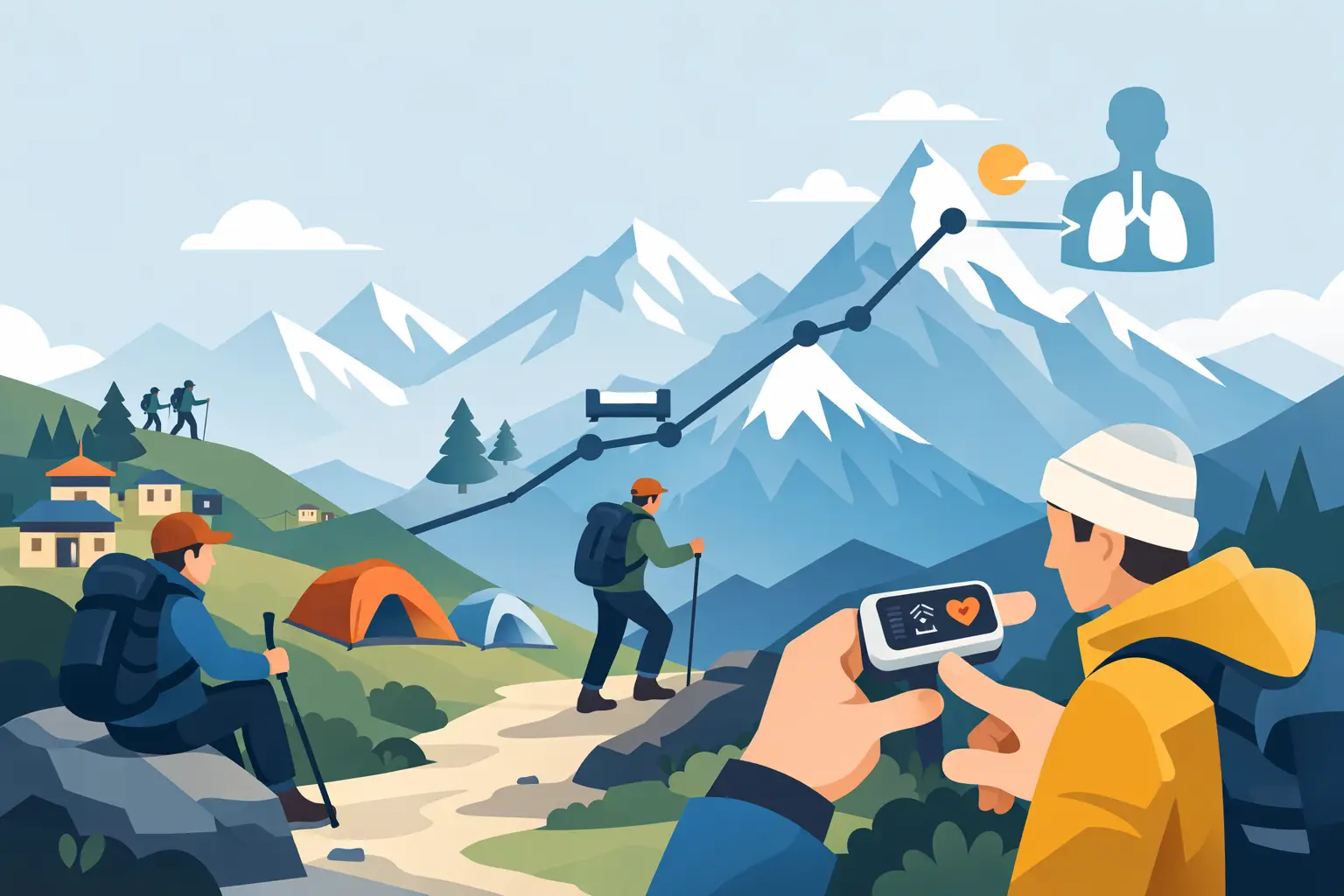
A sensible schedule controls two things: how high you sleep each night and how quickly you reach your highest point. Once above roughly 3,000 metres, a commonly used guideline is to increase sleeping altitude by no more than 300 to 500 metres per day, with an additional acclimatisation day every three to four days of ascent. These are planning principles rather than guarantees. The right pace depends on the route, weather, your starting point, how you feel and the logistics available on the trail.
A rest day is slightly misleading. It should usually be an active acclimatisation day: walk higher at an easy pace, then return to sleep at the same lodge or a lower altitude. The simple mountain rule is climb high, sleep low. A short hike above Namche Bazaar, for example, can help your body adapt while also providing outstanding views of Everest, Ama Dablam and the surrounding valleys.
A realistic pace on Everest and Annapurna treks
The classic Everest Base Camp route offers a useful example. After flying to Lukla, most trekkers walk to Phakding before ascending to Namche Bazaar. Namche is commonly used for the first acclimatisation stop because the gain in sleeping altitude from the lower valley is significant. A second planned stop is often made in Dingboche, before continuing towards Lobuche and Gorak Shep.
That pacing is one reason a standard Everest Base Camp journey typically takes around 12 to 14 days from Lukla to Lukla, rather than being compressed into a week. On a Gokyo Lakes and Cho-La Pass trek, the itinerary needs even more care. The route includes high sleeping places, a demanding mountain pass and variable weather, so extra time creates useful flexibility if a group needs to slow down.
In the Annapurna region, the elevation profile can be different, but the same principle applies. The Annapurna Circuit climbs progressively through villages and valleys before reaching Thorong La. Poon Hill is lower and often suits trekkers with less time, yet it can still feel demanding when a holiday begins at sea level and quickly moves into steep terrain. Do not assume a lower trek requires no altitude awareness.
A good itinerary also avoids unnecessary back-to-back pressure. Long walking days, a large height gain and a cold lodge night can combine to make people feel worse than any one factor alone. Where the route allows, shorter stages before a major ascent are often a wiser choice than chasing an ambitious daily distance.
Arrive in Nepal with time to spare
Your acclimatisation begins before the trail. International flights, jet lag, missed sleep and a busy day in Kathmandu can leave trekkers tired before they reach the mountains. Arriving one or two days before a high-altitude departure gives time to check equipment, meet your guide, organise permits and recover from travel.
It also protects your trip from the realities of mountain logistics. Flights to Lukla and other remote airstrips can be delayed by weather. A thoughtfully planned holiday includes enough buffer that a delay does not force the group to cut an essential acclimatisation stop later in the trek.
What to do on acclimatisation days
The best acclimatisation days are purposeful but unhurried. After breakfast, your guide may lead a gradual hike to a viewpoint, a nearby village, a monastery or a higher ridge. You return to the same lodge for lunch or in the afternoon, rest, drink regularly and prepare for the following day.
This is also the right time to notice how you are responding. A mild headache, reduced appetite or poor sleep can occur at altitude, particularly during the first nights after a big gain. Tell your guide early, even if you are worried about holding the group back. Early information gives the team choices: a slower morning, an extra night, a lower sleeping point or a change to the plan.
Hydration helps, although drinking excessive amounts of water will not prevent altitude illness. Aim to drink consistently, eat what you can and choose carbohydrate-rich meals that are easy to tolerate. Avoid alcohol and sleeping tablets at altitude unless a medical professional has specifically advised otherwise. Both can worsen dehydration or interfere with breathing and sleep.
Keep your effort steady on walking days. Trekking is not a race to the next lodge. A pace at which you can speak in short sentences is usually more useful than pushing hard uphill and needing long, exhausting recoveries. Your guide may set a deliberately measured rhythm, especially above Namche, Manang or other key acclimatisation points. That is good mountain judgement, not a lack of ambition.
Recognising altitude illness early
Acute mountain sickness, often called AMS, can affect fit and experienced trekkers as well as first-time visitors. Its common early signs include headache with nausea, dizziness, unusual tiredness, loss of appetite or poor sleep. Symptoms should never be ignored simply because somebody has reached a long-awaited destination.
The key safety rule is straightforward: do not ascend with symptoms of altitude illness. Rest at the same altitude, reassess with your guide and follow the plan set by the trip leader and medical advice available. If symptoms worsen or do not improve, descending is the most effective response.
Severe breathlessness while resting, confusion, loss of coordination, a persistent cough or fluid-like sounds in the chest are emergency warning signs. They may indicate serious altitude-related illness. Immediate descent and urgent medical support are required. No summit, pass or itinerary target is worth taking a chance with these symptoms.
Medication such as acetazolamide may be suitable for some travellers, but it should be discussed with your GP or travel medicine clinician before departure. It can support acclimatisation in selected circumstances; it does not make rapid ascent safe and it does not replace descent when symptoms are worsening. Bring any prescribed medicines in your hand luggage and make sure your guide knows about relevant medical conditions.
Build flexibility into the plan
The strongest Nepal trekking plans do not treat every day as fixed beyond change. Weather, trail conditions, individual recovery and flight schedules all influence the right decision in the mountains. A spare day can be used for a delayed flight, a second night at an acclimatisation point, a gentle recovery walk or simply more time to enjoy a place that deserves it.
For private groups, this flexibility can be especially valuable. A school group, a family with mixed hiking experience or friends travelling from different fitness backgrounds may need a different rhythm from a small team of seasoned trekkers. The route should fit the group, not force the group to fit a timetable.
At Brothers Team, experienced local guides monitor the pace, daily wellbeing and practical conditions around each trek. They know that reassurance is useful, but honest decisions are more useful still. Turning back, taking an extra night or choosing a lower alternative is not failure. It is responsible trekking that lets you return home with the mountains still calling you back.
Prepare well, walk patiently and allow the Himalayas their own pace. The summit views, high passes and welcoming teahouses are far more rewarding when your body has had the time to arrive with you.



Comments are closed