


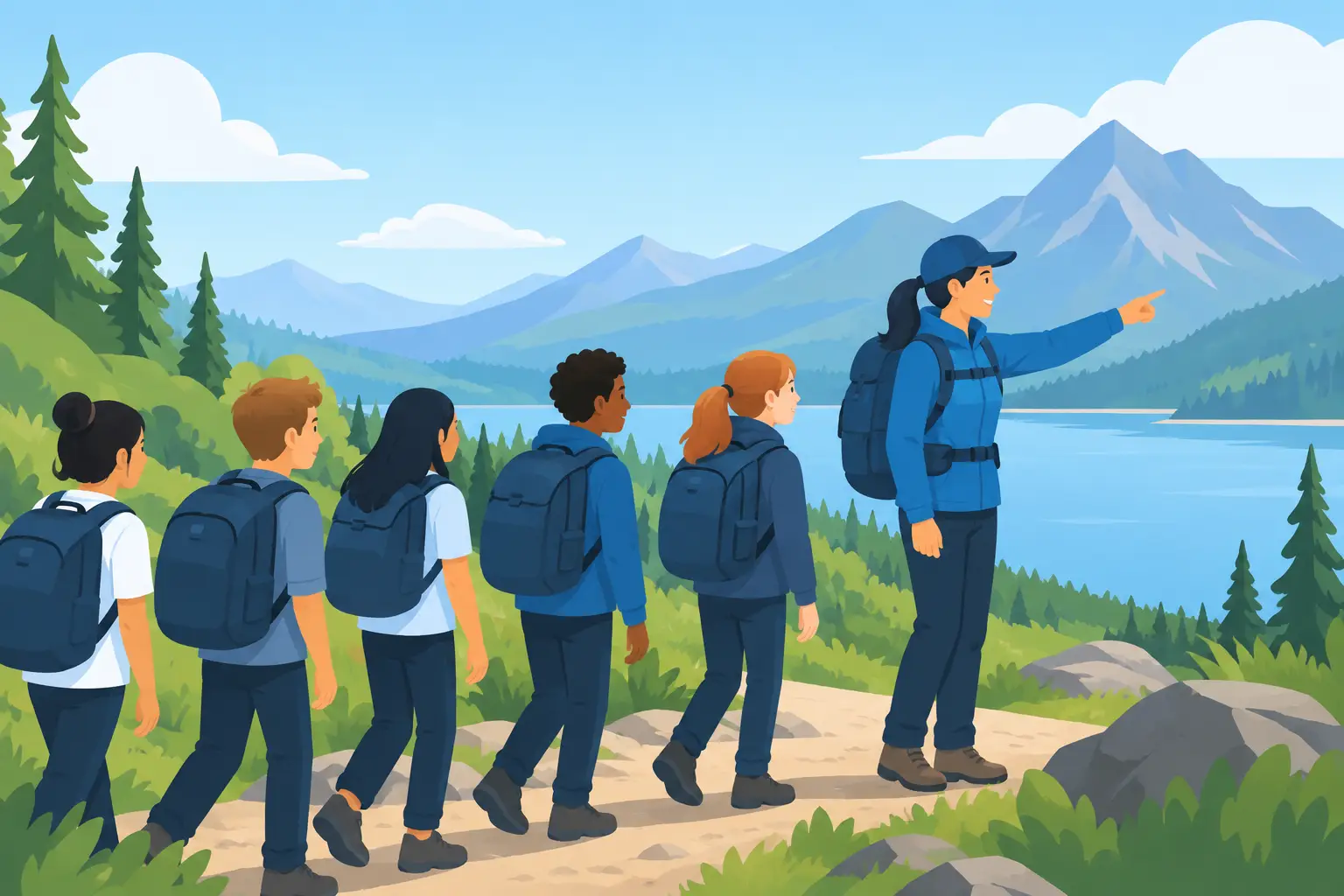
How to Organise School Expeditions Safely
A school expedition can be the moment a quiet pupil takes the lead on a trail, a geography lesson becomes a real landscape, or a class discovers that cultural curiosity matters as much as confidence. Knowing how to organise school expeditions well means protecting space for these moments while putting careful planning, safeguarding and communication behind every day of the journey.
For schools travelling beyond familiar surroundings – whether to the Himalayas, South-East Asia or a closer outdoor destination – the best programmes are never simply holidays with activities added. They have a clear educational purpose, a realistic level of challenge and a support structure that helps pupils, teachers and parents feel prepared.
Start with the learning purpose
Before comparing flights or sketching routes, define what the expedition should achieve. A strong purpose guides every later decision: destination, activity level, accommodation, group size and the people chosen to lead it.
A programme might support geography through mountain environments and climate, history through heritage sites, biology through conservation work, or personal development through teamwork and resilience. Cultural exchange can be equally valuable when it is thoughtful and respectful, rather than a brief stop between attractions.
Keep the objectives specific enough to shape the itinerary. “Build confidence outdoors” is a useful aim, but it becomes more practical when linked to achievable experiences such as navigation exercises, a supported multi-day trek or shared camp responsibilities. Pupils should understand why they are travelling and what active contribution is expected from them.
It also helps to decide early whether the expedition is primarily curriculum-led, service-led, adventure-led or a balanced combination. Trying to fit every possible experience into one week can create a rushed programme. A well-paced itinerary usually leaves a stronger impression than an overfilled one.
Choose a destination and challenge level that fit the group
The most dramatic destination is not automatically the right choice. Consider pupils’ ages, previous outdoor experience, fitness, confidence, medical needs and the amount of preparation time available. A first overseas trekking group may thrive on a gentle Himalayan foothills programme with village stays and short walking days, while an experienced sixth-form group may be ready for higher trails with a carefully planned acclimatisation schedule.
Challenge should be progressive, not punishing. Long travel days, unfamiliar food, changing weather and shared rooms all demand energy before the group begins an activity. Build in time to settle, rest and reflect. In mountain regions, gradual ascent is essential: no itinerary should treat altitude as something that can be overcome by determination alone.
Look beyond scenery, too. Ask whether the destination has dependable transport, suitable accommodation, appropriate medical access and experienced local leaders. School travel relies on many moving parts, especially in remote areas, so local operational knowledge makes a meaningful difference.
Plan for altitude with patience
For high-altitude expeditions, route design is a safety decision. Sensible acclimatisation days, conservative daily ascent, flexible walking plans and clear turnaround points should be agreed before departure. Guides and teachers need authority to adjust the programme if a pupil is unwell or conditions change.
Pupils and parents should receive straightforward information about altitude symptoms, hydration, pacing and the fact that no summit, pass or viewpoint is worth compromising someone’s health. A good expedition teaches judgement as well as endurance.
Build the plan around safety and safeguarding
Risk assessment is not a document completed at the end of planning. It is the framework for the whole expedition. Assess travel, accommodation, activities, terrain, weather, food and water, health concerns, local customs, supervision ratios and emergency communications.
The practical detail matters. Confirm who leads headcounts at each transition, how room checks are managed, where medicines are stored, how pupils are accounted for during free time and what happens if a member of the group is separated. Clear routines make the trip feel calmer, not more restrictive.
A useful plan sets out responsibilities between the school and the ground operator. Teachers retain their safeguarding and pastoral role, while qualified local guides manage route knowledge, activity delivery and destination logistics. Everyone should know who has final authority in an emergency, how decisions are communicated and when the itinerary may be changed.
For overseas travel, ask for emergency procedures that are relevant to the destination rather than generic promises. In a remote mountain area, for example, this may include evacuation arrangements, access to local medical facilities, communication methods where mobile signal is weak and contingency plans for weather-related flight delays.
Create an itinerary with breathing room
An itinerary is more than a timetable. It determines the group’s energy, learning and safety. Avoid arranging a demanding activity immediately after a long-haul flight or placing every cultural visit into a single packed day. Pupils need time to process what they see, especially when encountering a new language, faith, landscape or way of life.
Use travel days realistically. Road journeys in mountain regions can take longer than a map suggests, and domestic flights may be affected by weather. A sensible programme includes buffer time before international departures and avoids making a major activity dependent on one tight connection.
Balance active days with lighter ones. After several days of trekking, a cultural workshop, community visit or guided heritage walk can provide a valuable change of pace. Reflection sessions also deserve a place in the schedule. A short evening discussion or pupil journal can turn a memorable experience into meaningful learning.
Prepare pupils and parents early
The expedition begins months before departure. Hold an information evening that explains the purpose, route, accommodation, costs, supervision and expected behaviour in plain language. Parents need reassurance, but they also need honest information about the challenges involved.
Give families a clear kit list matched to the conditions. For a cold-weather trek, explain the difference between everyday clothing and effective layering, as well as the importance of properly worn-in walking boots. Avoid assuming that every pupil already owns specialist equipment. Where possible, offer guidance on hiring, borrowing or purchasing essentials without creating unnecessary pressure.
Pre-departure training is equally valuable. Walks with loaded daypacks, basic first-aid awareness, navigation practice and sessions on cultural etiquette all build confidence. They also help staff identify pupils who may need additional support before travelling.
Set expectations for responsible travel
School expeditions work best when pupils see themselves as guests, not consumers. Discuss respectful photography, appropriate dress, waste reduction, water use and behaviour in religious or community settings. Encourage questions, but teach pupils to approach differences with humility.
If the itinerary includes a community or service element, avoid presenting it as a chance to “help” without context. The work should be locally requested, properly supervised and proportionate to the group’s skills. Listening, learning and supporting local priorities are more valuable than a short-lived gesture.
Work with specialist local support
A school may have excellent teaching staff and experienced outdoor leaders, but complex destinations benefit from people who know the route, seasons, permits, suppliers and local realities firsthand. The right operator should be able to explain not only what is included, but why the programme is structured as it is.
Ask direct questions about guide qualifications, child safeguarding procedures, group ratios, accommodation standards, food arrangements, transport providers and emergency support. Request a realistic daily outline, including approximate journey times and contingency options. If answers are vague, the planning may be vague too.
For Himalayan programmes, experienced local teams are especially valuable for managing permits, lodge arrangements, baggage logistics and changing mountain conditions. Brothers Team combines destination-based operational knowledge with personal coordination for schools and group leaders, helping programmes remain adventurous without losing sight of duty of care.
Keep communication steady while travelling
Daily briefings are one of the simplest tools for a successful school expedition. Explain the next day’s plan, expected weather, clothing requirements, meeting times and any behaviour considerations. Invite questions before uncertainty becomes anxiety.
Keep parents appropriately informed as well. Agree in advance how updates will be shared and what information will be communicated in the event of disruption. Regular short messages and a few carefully managed photographs can be reassuring, but staff should not spend the trip trying to produce constant social media content.
Most importantly, leave room for professional judgement. Weather changes, tiredness, road closures and illness are part of expedition travel. A group remembers the warmth of a shared meal, the view after a steady climb and the care shown when plans need to change. Build the journey carefully, then let pupils have the space to meet it with curiosity and courage.


Comments are closed